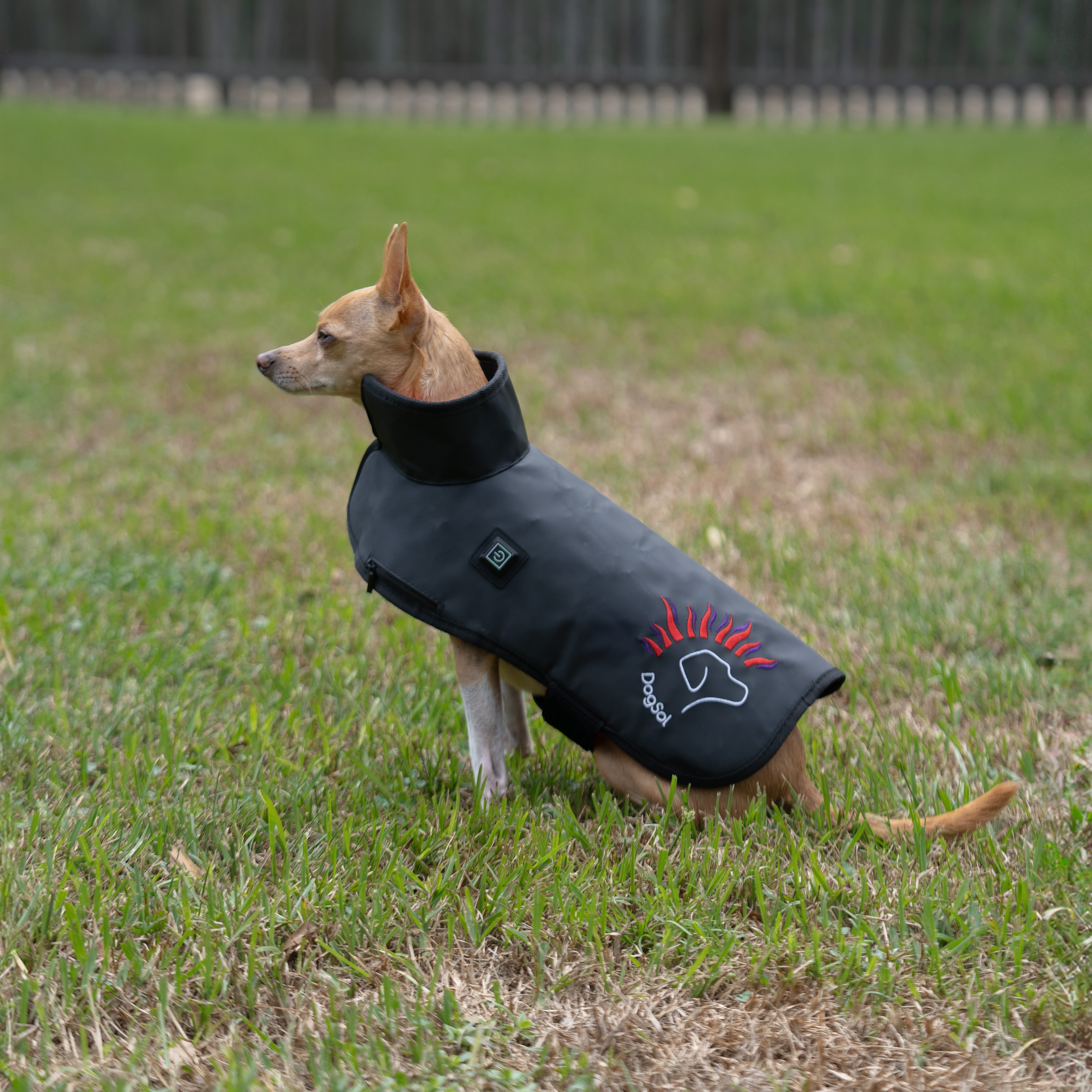
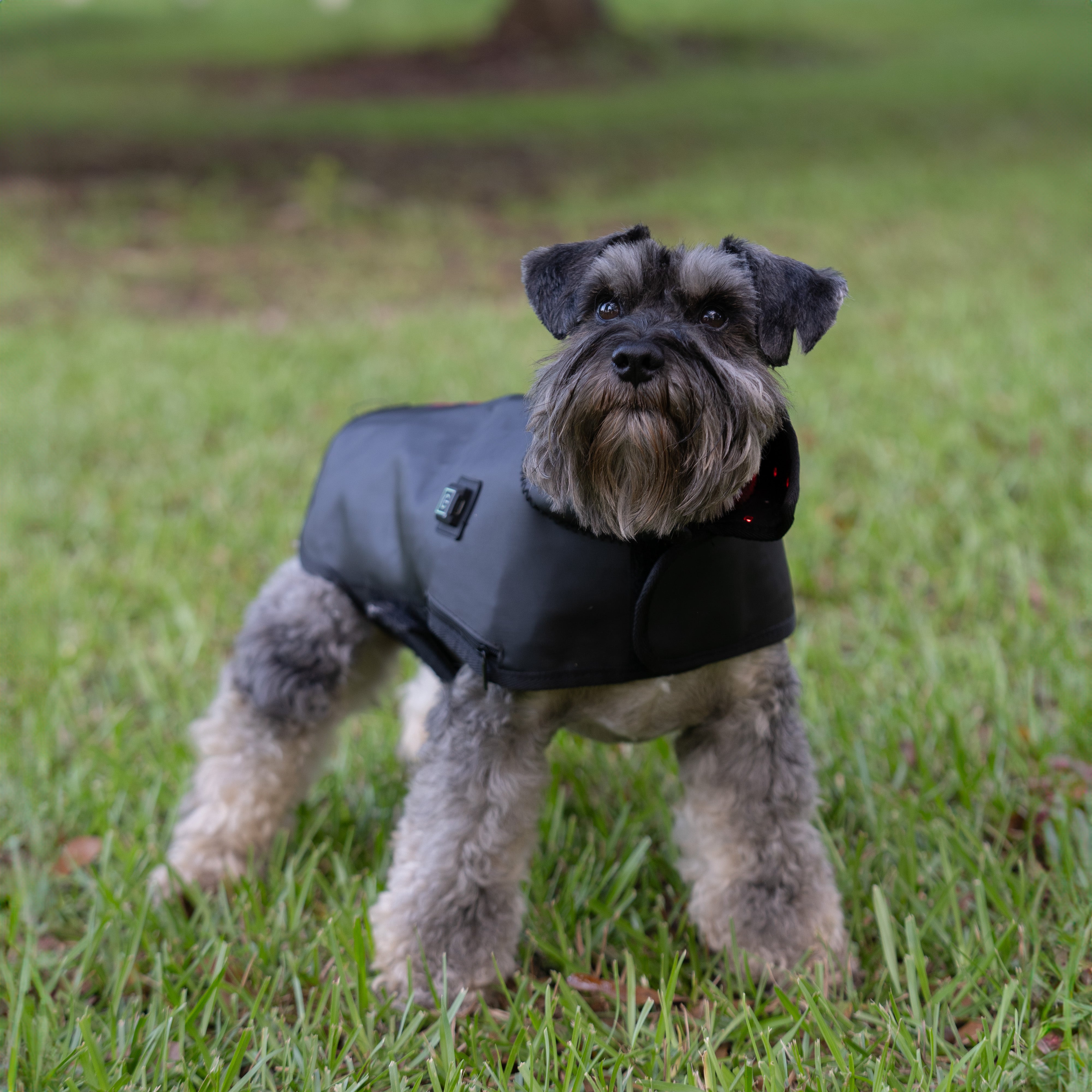
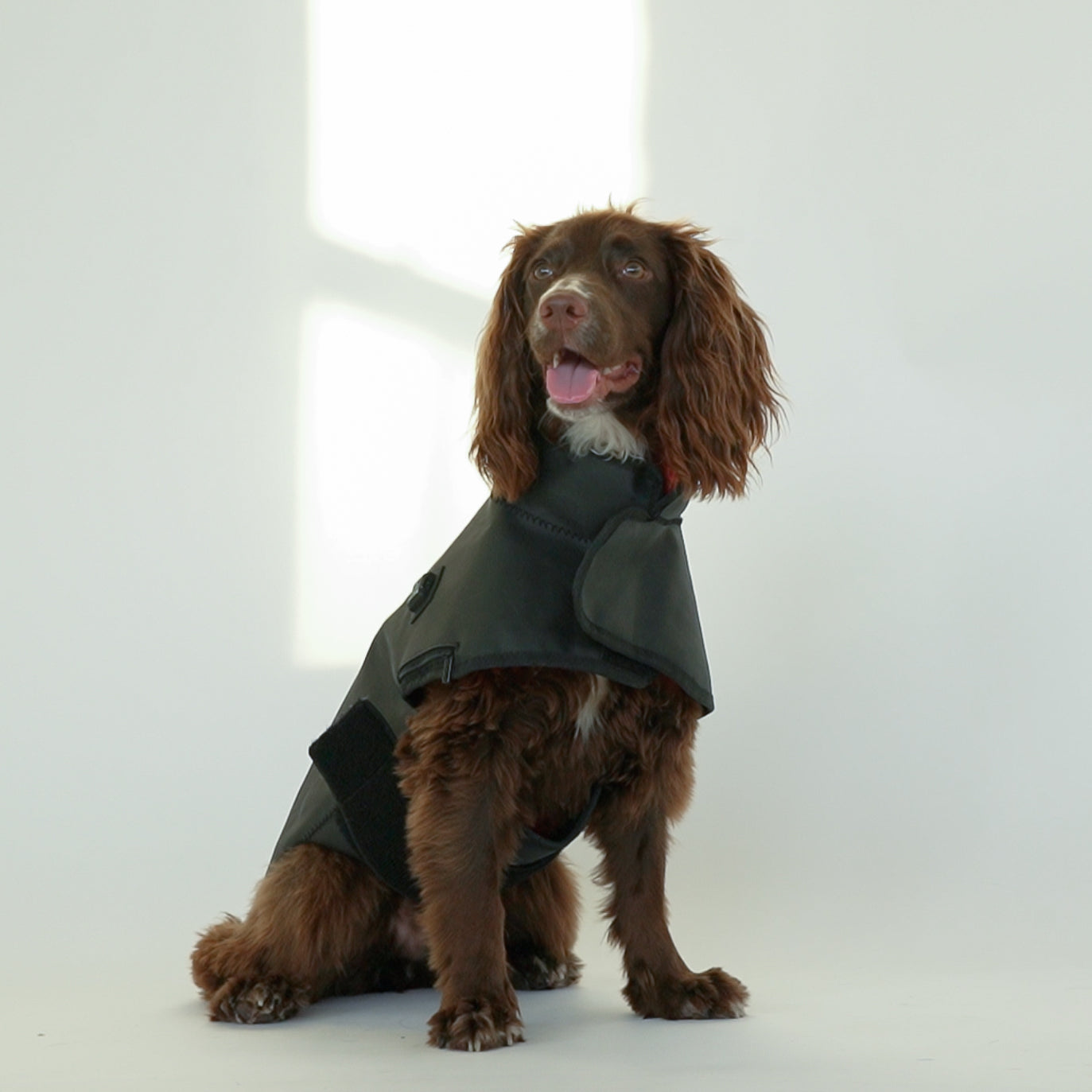
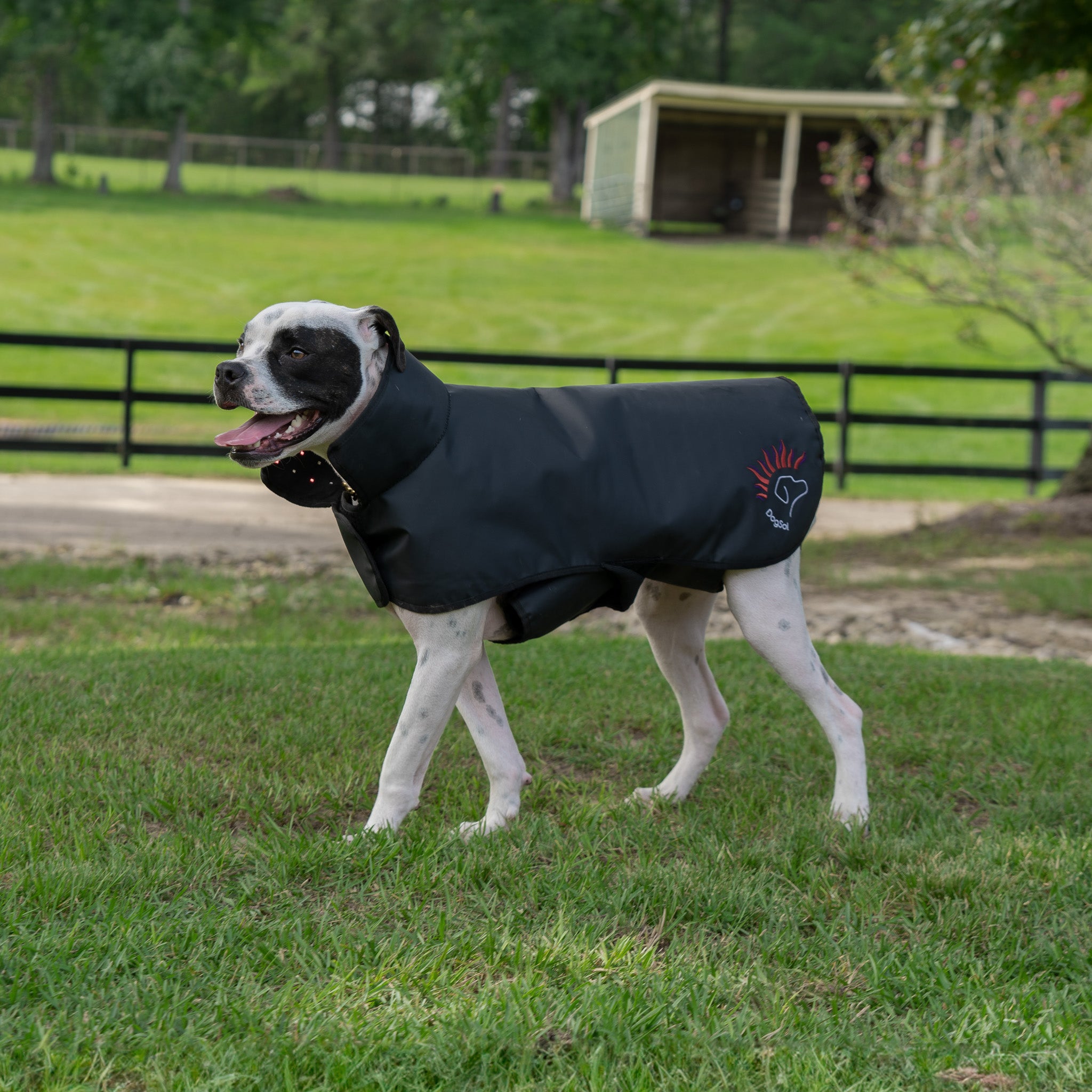
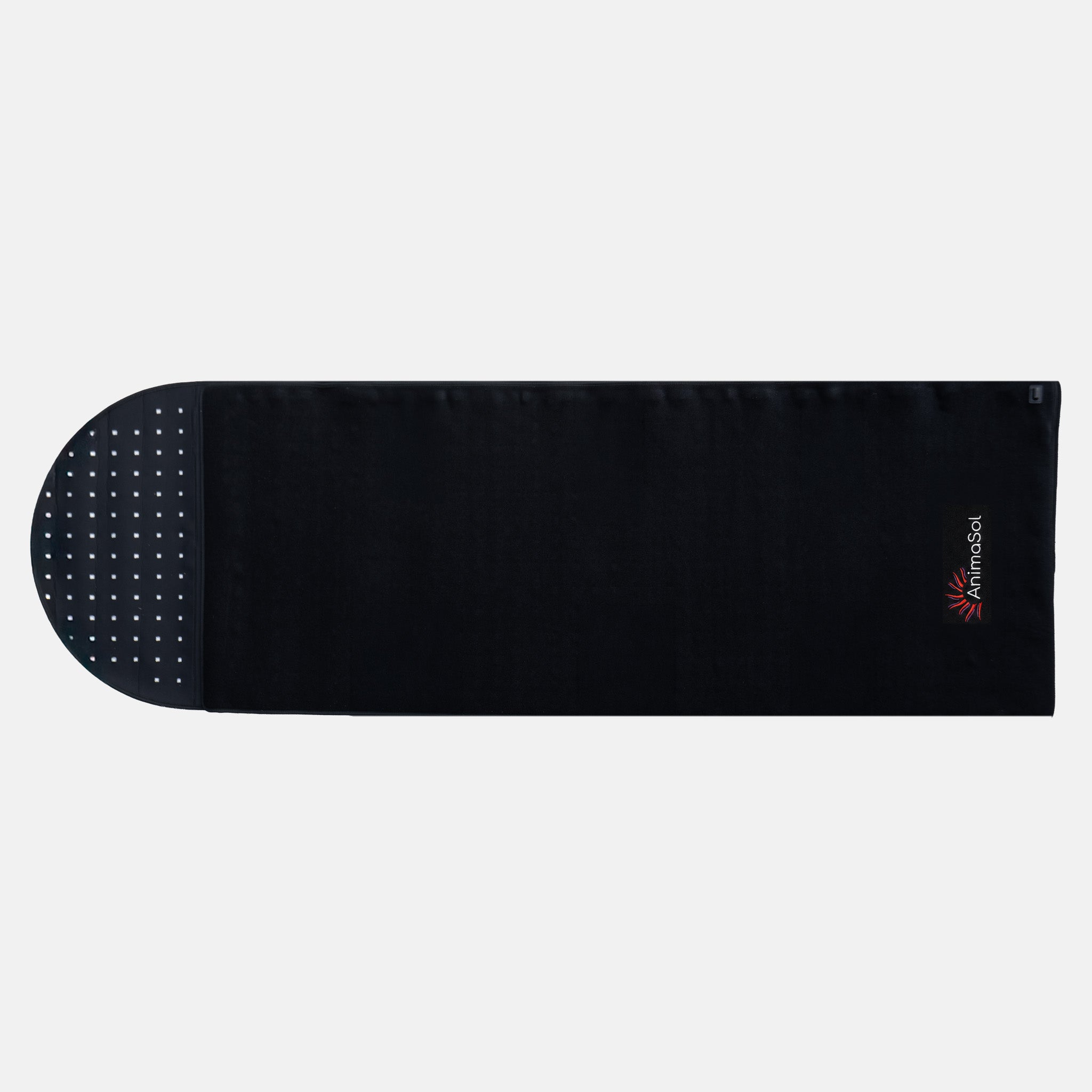
What Is Red Light Therapy for Dogs?
Red light therapy, also known as photobiomodulation (PBM), is a noninvasive approach that uses specific wavelengths of red and near-infrared light to interact with biological tissues. In veterinary medicine, photobiomodulation is being studied and used as a complementary modality to support pain management, mobility, and rehabilitation.
Can red light therapy help dogs with arthritis?
Clinical studies in dogs suggest that appropriately administered photobiomodulation supports a reduction in osteoarthritis-associated pain and lameness and may improve aspects of joint function. Results depend on the treatment protocol, device, and individual patient. The veterinary clinical evidence and research is actively in progress. AnimaSol actively tests our products in real case studies and participates in furthering the clinical side of this research.
Can red light therapy help dogs with IVDD?
Research into photobiomodulation for canine intervertebral disc disease (IVDD) is still in it's infancy. Some postoperative studies report encouraging findings in improvements in recovery outcomes. PBM should be considered as a support tool to appropriate veterinary care, not as a substitute for diagnosis or treatment.
For pet parents, the current evidence is promising in helping pets to move with ease. For veterinarians, the current evidence provides a starting point for evaluating where photobiomodulation may fit into an individualized treatment plans within their practice.

How Does Photobiomodulation Work?
Photobiomodulation uses selected wavelengths and doses of light to influence biological processes within cells and tissues.
One proposed mechanism involves cytochrome c oxidase, an enzyme associated with the mitochondrial electron transport chain. Research suggests that light absorption by cellular photoacceptors may influence mitochondrial signaling, cellular energy metabolism, reactive oxygen species, and downstream pathways involved in inflammation and pain modulation.
Potential biological effects under investigation include:
- Cellular signaling: Changes in mitochondrial activity and signaling pathways that influence cellular function.
- Inflammatory modulation: Potential effects on inflammatory mediators and oxidative stress.
- Pain modulation: Possible changes in processes associated with peripheral and local pain signaling.
- Tissue response: Effects on cellular processes involved in tissue maintenance and repair.
These mechanisms provide a scientific rationale for studying PBM in musculoskeletal and rehabilitation settings.
The response to photobiomodulation is also dose-dependent. Research describes a biphasic response, meaning that an effective dose range may exist and that increasing the energy delivered does not necessarily increase the benefit. Excessive or insufficient exposure may produce different results.
For a deeper look at proposed mechanisms, see Photobiomodulation: mechanisms and applications.
Red Light Therapy for Canine Arthritis: What Does the Research Show?
Osteoarthritis is a chronic joint condition involving changes to articular cartilage, subchondral bone, the synovial environment, and surrounding tissues. Dogs may develop pain, stiffness, reduced range of motion, and difficulty with activities such as walking, rising, or climbing stairs.
Photobiomodulation is of interest because it may offer a nonpharmaceutical component of multimodal pain management.
1. Randomized, placebo-controlled study of canine elbow osteoarthritis
Publication:
Looney AL, Huntingford JL, Blaeser LL, Mann S. (2018). A randomized blind placebo-controlled trial investigating the effects of photobiomodulation therapy on canine elbow osteoarthritis.
Read the full study in the Canadian Veterinary Journal.
This multi-center clinical study evaluated 20 dogs with naturally occurring elbow osteoarthritis.
Study design
- Twenty dogs were randomly assigned to active photobiomodulation or sham treatment.
- Eleven dogs received active PBMT; nine received sham treatment.
- Treatments were administered to both elbows over six weeks.
- The study assessed pain, lameness, and non-steroidal anti-inflammatory drug (NSAID) requirements.
What did the researchers find?
The active-treatment group demonstrated greater improvement in lameness and pain scores than the sham group. Nine of the 11 dogs receiving PBMT had a reduction in NSAID dosage during the study, compared with none of the nine dogs in the sham group.
The study used a reported energy density of 10–20 J/cm² per joint.
Why does this matter clinically?
This trial provides controlled clinical evidence that a specific PBMT protocol may improve pain and lameness in dogs with elbow osteoarthritis. It also raises the possibility that some dogs may require less NSAID medication when their overall comfort improves.
These initial findings are very encouraging, the next step is to run further trials to confirm the trend.
2. Randomized, double-blinded controlled study of canine hip osteoarthritis
Publication:
Alves JC, Santos A, Jorge P, Carreira LM. (2022). A randomized double-blinded controlled trial on the effects of photobiomodulation therapy in dogs with osteoarthritis.
Read the study in the American Journal of Veterinary Research.
This study evaluated 20 dogs with bilateral hip osteoarthritis. The researchers compared a course of Class IV therapeutic laser treatment with a control group receiving meloxicam.
The researchers assessed several clinical outcomes, including:
- Canine Brief Pain Inventory pain severity and pain interference scores.
- Joint range of motion and thigh circumference.
- Lameness and osteoarthritis-related function.
- Stiffness, gait, and quality-of-life measures.
What did the researchers find?
The PBMT group showed improvements in several pain and function measures during follow-up. Differences favoring PBMT were observed at various time points, including assessments at 8, 15, and 30 days. Improvements in joint range of motion were reported from day 15 through day 90.
The study supports further investigation of PBMT as a potential adjunct for canine hip osteoarthritis.
These results provide a strong foundation, and future trials utilizing a broader spectrum of PBM delivery systems will help generalize the findings.
3. What does the broader veterinary evidence say?
A 2024 review of non-pharmaceutical and non-surgical treatments for canine osteoarthritis evaluated the evidence for several approaches, including laser therapy, physical rehabilitation, and hydrotherapy.
Read the review in the Journal of Small Animal Practice.
The review highlights a central point for clinicians: non-pharmaceutical therapies may contribute to multi-modal osteoarthritis management, but the quality and quantity of evidence vary considerably by modality and study.
The available PBMT literature includes small clinical trials, differences in treatment protocols, and a mix of subjective and objective outcome measures.
For veterinary practices, the most defensible conclusion is that PBMT is a promising adjunct worth evaluating within a pain-management plan, but not yet a proven stand-alone treatment for canine osteoarthritis.
Red Light Therapy for Dogs With IVDD
Intervertebral disc disease is different from osteoarthritis. IVDD involves degeneration, protrusion, or extrusion of intervertebral disc material, which can cause pain and, in more severe cases, compression or injury to the spinal cord.
Depending on severity, affected dogs may experience neck or back pain, weakness, difficulty walking, or paralysis.
Because IVDD can be a neurological emergency, it is particularly important to distinguish supportive rehabilitation from treatment of the underlying spinal condition.
What does the research show about PBM and canine IVDD?
Study 1
Postoperative recovery following hemilaminectomy
Publication:
Bennaim M et al. (2017). Preliminary evaluation of the effects of photobiomodulation therapy and physical rehabilitation on early postoperative recovery of dogs undergoing hemilaminectomy for treatment of thoracolumbar intervertebral disk disease.
Read the study in the American Journal of Veterinary Research.
This study evaluated 32 nonambulatory dogs following surgery for thoracolumbar IVDD.
Dogs received standard postoperative care and were assigned to one of three groups: PBMT, physical rehabilitation with sham PBMT, or sham PBMT alone.
Key findings:
The researchers did not find significant differences between groups in the time required to reach specified recovery milestones or in the duration of postoperative intravenous opioid administration.
The results did not demonstrate a clear improvement in early recovery attributable to PBMT in this study. Larger studies are needed to better evaluate effects of these postoperative treatments on dogs treated surgically for intervertebral disk disease.
Study 2
PBMT combined with postoperative rehabilitation
Publication:
Spinella G et al. (2020). Perilesional photobiomodulation therapy and physical rehabilitation in postoperative recovery of dogs surgically treated for thoracolumbar disk extrusion.
Read the full study in BMC Veterinary Research.
This study compared 24 dogs undergoing postoperative rehabilitation: 12 received laser therapy alongside rehabilitation, while 12 received the same rehabilitation protocol without laser therapy.
The researchers reported encouraging neurological findings in the laser-treatment group among dogs that retained deep pain sensation at admission. However, the analysis did not establish a statistically significant difference in the time required to regain independent ambulation, although a trend favoring the laser group was observed.
How should veterinarians interpret these findings?
The studies suggest that PBMT may warrant further investigation as a supportive modality during postoperative rehabilitation, but they do not establish that light therapy independently improves recovery from IVDD.
Differences in patient severity, neurological status, surgical intervention, treatment protocols, and rehabilitation approaches complicate direct comparisons.
While evidence from postoperative therapeutic laser studies cannot automatically be generalized to at-home LED devices or non-surgical management of acute IVDD; our own Dr. Ronald J. Riegel, DVM, who brings decades of experience in low-level laser therapy (LLLT) research, supports the use of LED light therapy, recognizing that with the appropriate wavelengths and dosage, LED-based photobiomodulation may offer benefits comparable to LLLT.
Can pet parents use red light therapy instead of veterinary treatment for IVDD?
No. Suspected IVDD requires veterinary assessment to determine the severity of the condition and the appropriate treatment plan. Sudden spinal pain, weakness, wobbliness, difficulty walking, or loss of bladder control warrants urgent veterinary care. Do not delay assessment by your vet.
Which Wavelengths Are Used in Photobiomodulation?
Red and near-infrared light are often discussed together, but they are not interchangeable.
Wavelength influences how light interacts with tissue and how deeply it may penetrate. Actual delivery also depends on factors such as irradiance, exposure time, tissue characteristics, distance, and device configuration.
| Wavelength range |
|---|
| 630–660 nm | Red light, commonly studied for superficial tissues and cellular effects |
| 808–850 nm | Near-infrared wavelengths frequently used in PBM research involving deeper tissues |
| 904 nm | A near-infrared wavelength used in some therapeutic laser protocols |
These are broad categories, not universal treatment prescriptions. No single wavelength guarantees a clinical outcome, and the ideal protocol depends on the intended application and the device being used.
A major consideration for veterinary practices is the difference between laser and LED systems. Both can deliver light in wavelengths relevant to PBM, but differ in irradiance, beam characteristics, size of treatment area, energy delivery, and practical use.
Why Does Dosage Matter in Photobiomodulation?
The biological response to PBM depends on more than the color of the light.
Important parameters include:
- Wavelength: The spectral characteristics of the light source.
- Irradiance: The optical power delivered per unit area, usually expressed in mW/cm² or W/cm².
- Energy density: Energy delivered per unit area, commonly expressed in J/cm².
- Treatment duration: How long the tissue is exposed.
- Treatment frequency: How often sessions are performed.
- Treatment area and technique: The size of the area treated, distance from tissue, contact method, and whether the device moves during treatment.
- Patient factors: Tissue depth, coat, pigmentation, anatomical location, condition severity, and concurrent therapies.
Energy density is calculated from irradiance and time under defined measurement conditions. However, the same energy density delivered at different irradiances does not necessarily produce the same biological response.
The biphasic dose-response concept is especially relevant: increasing exposure does not necessarily improve the outcome.
For clinicians, this means dosing should follow device-specific guidance and the available evidence for the intended application.
For pet parents, it means not increasing treatment time or frequency simply because a dog appears to need more relief.
How Can Veterinarians Incorporate Photobiomodulation Into Practice?
Photobiomodulation may be considered within a multimodal treatment plan when the veterinarian determines that it is appropriate for the individual patient.
1. Establish a diagnosis and baseline
Before introducing PBM, assess the underlying condition and document baseline function. For osteoarthritis, this may include orthopedic examination, gait assessment, range of motion, and validated pain or function questionnaires.
For IVDD, neurological examination and appropriate diagnostic assessment take priority.
2. Set measurable goals
Rather than evaluating treatment only by general impressions, establish practical goals such as:
- Easier transitions from lying to standing.
- Improved willingness to walk.
- Better tolerance of prescribed rehabilitation exercises.
- Changes in lameness, joint mobility, or validated pain scores.
- Improved ability to perform normal daily activities.
For IVDD, neurological status and recovery milestones should be tracked under the treating veterinary team's direction.
Please reach out if you would like to contribute to AnimaSol's Case studies and research with our products by emailing: info@animasol.life
3. Choose a device and protocol appropriate to the condition
Review the device's wavelength, irradiance, output, treatment area, and recommended protocol. Confirm that its specifications and intended use are suitable for the clinical goal.
4. Integrate PBM with established care
For osteoarthritis, a comprehensive plan may include weight management, appropriate exercise, rehabilitation, environmental modifications, and veterinarian-directed analgesia.
For IVDD, care may involve strict activity restriction, pain management, surgical treatment when indicated, and structured rehabilitation.
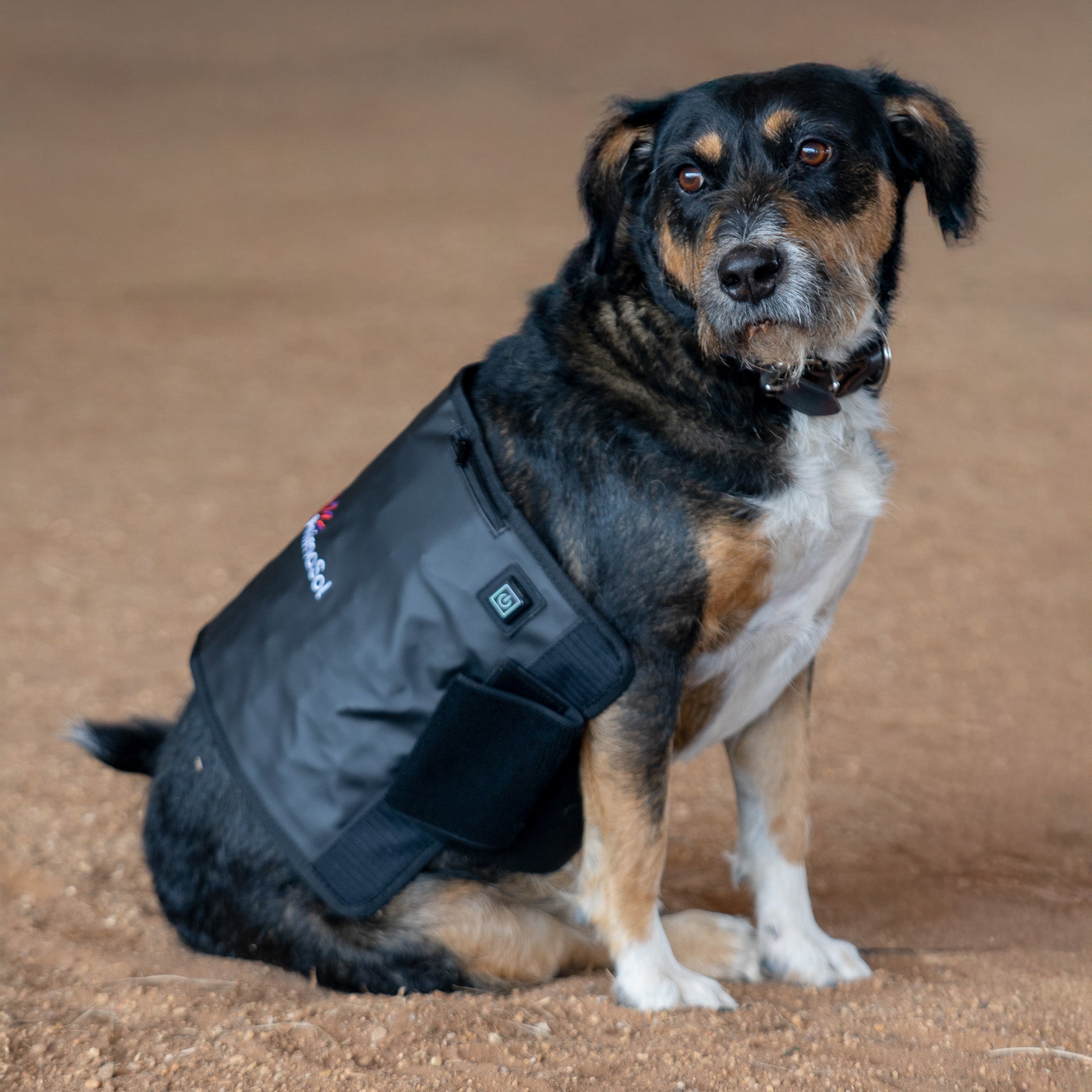
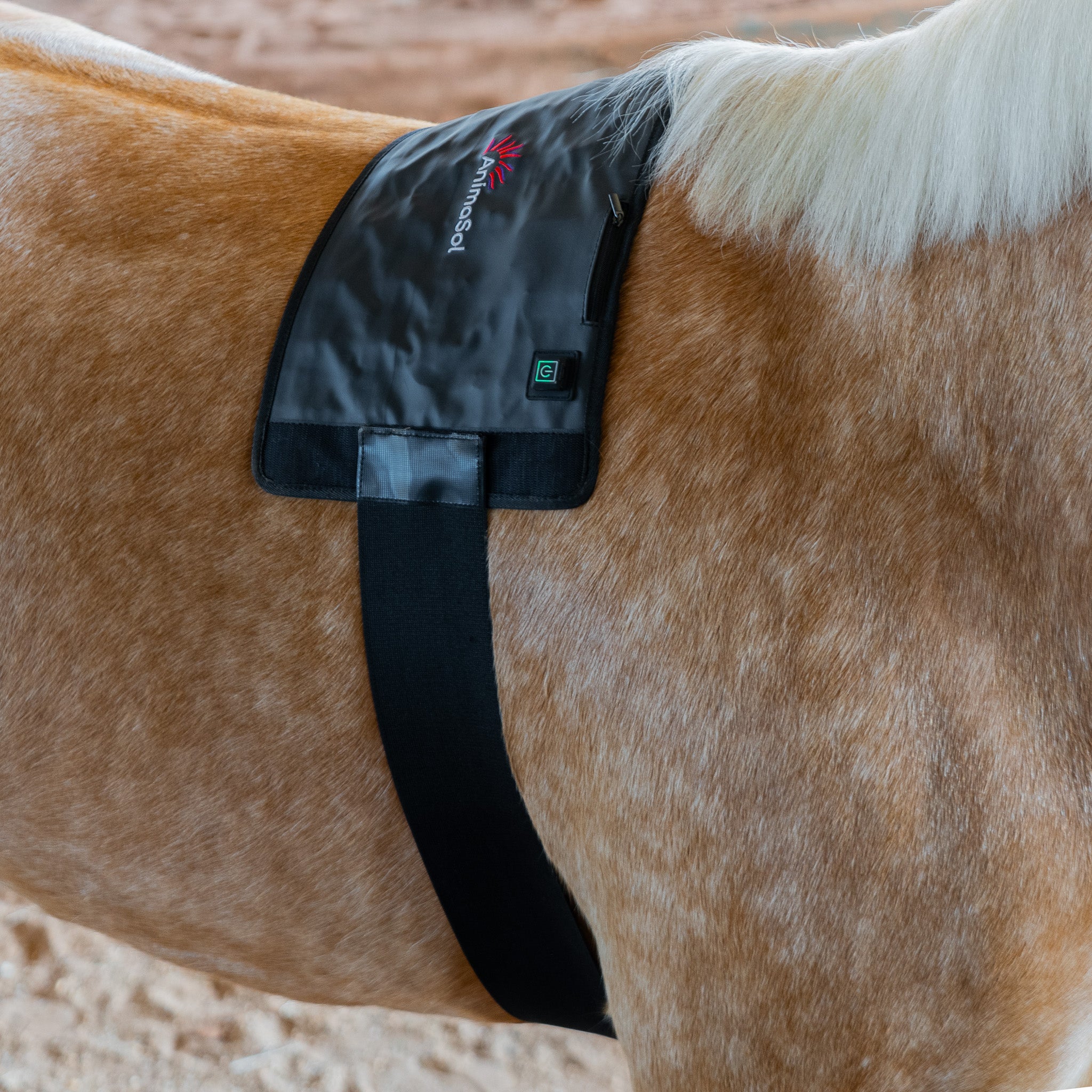
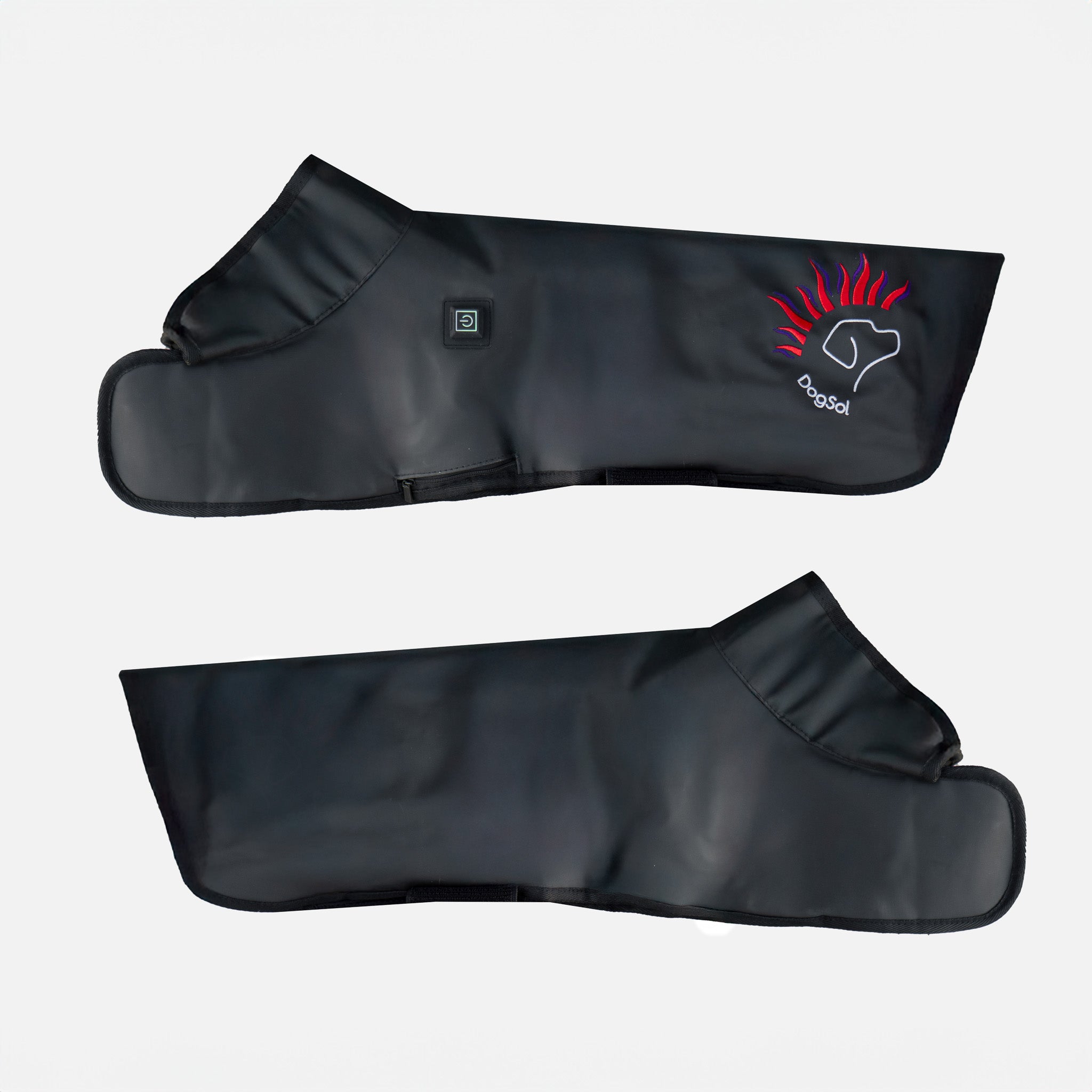
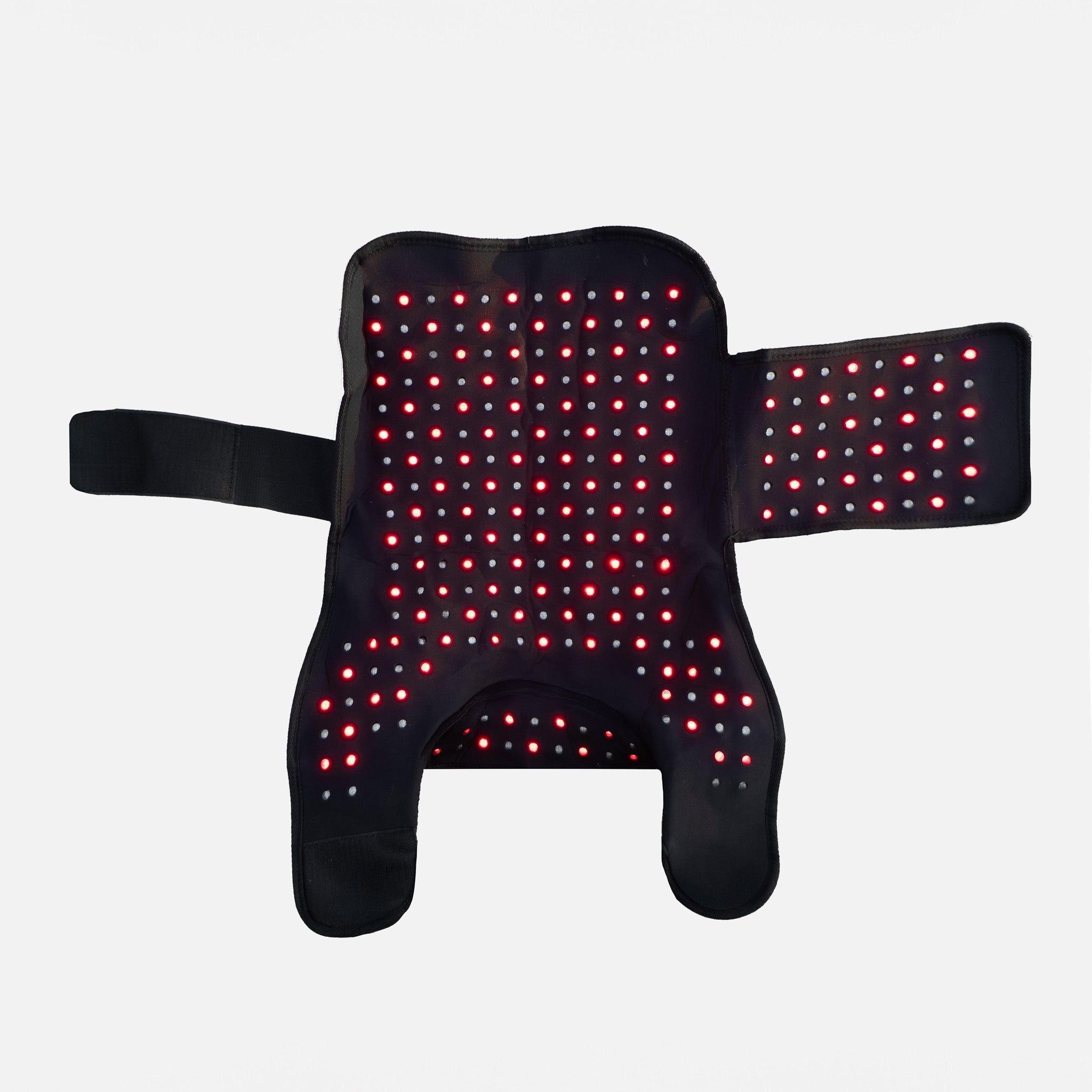
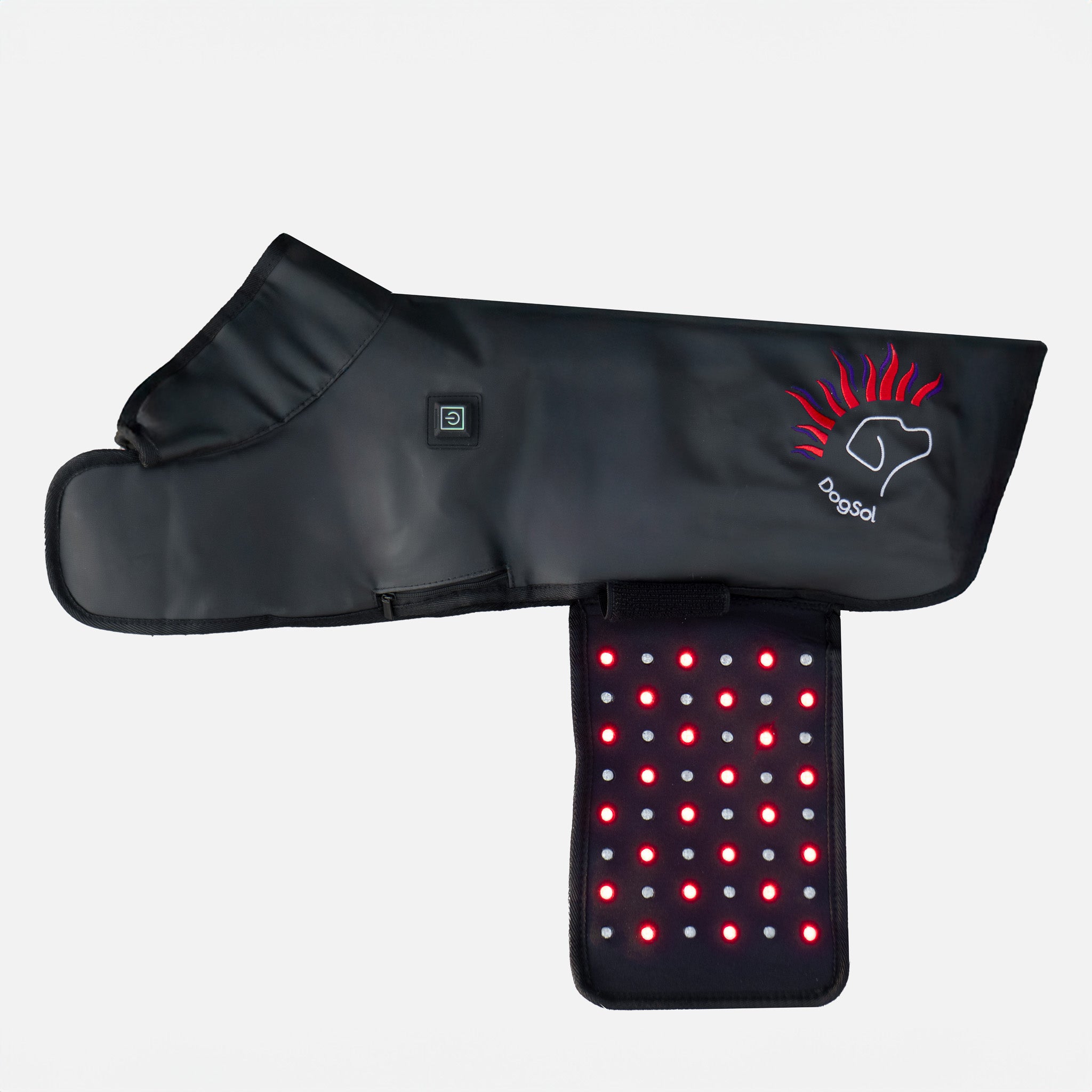
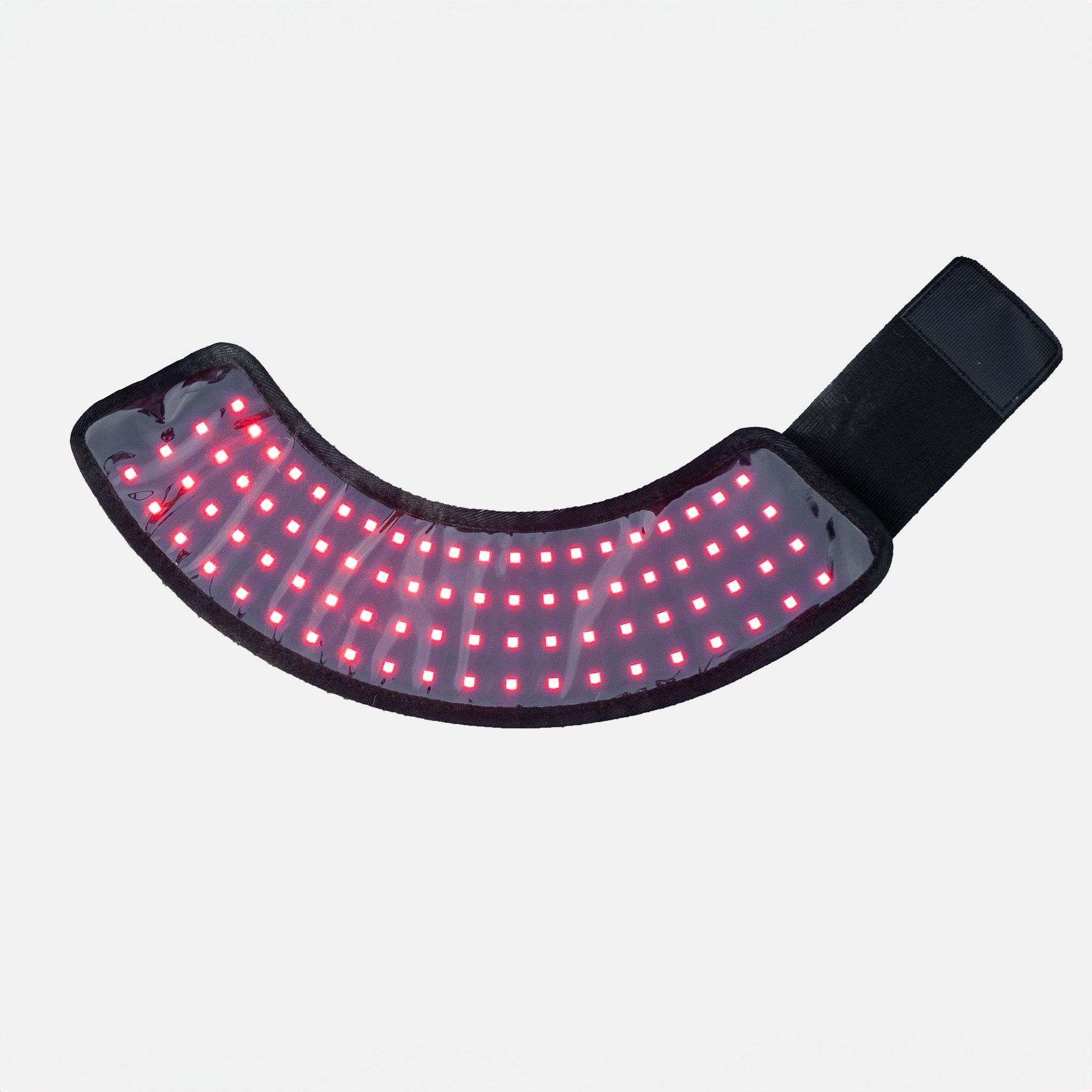
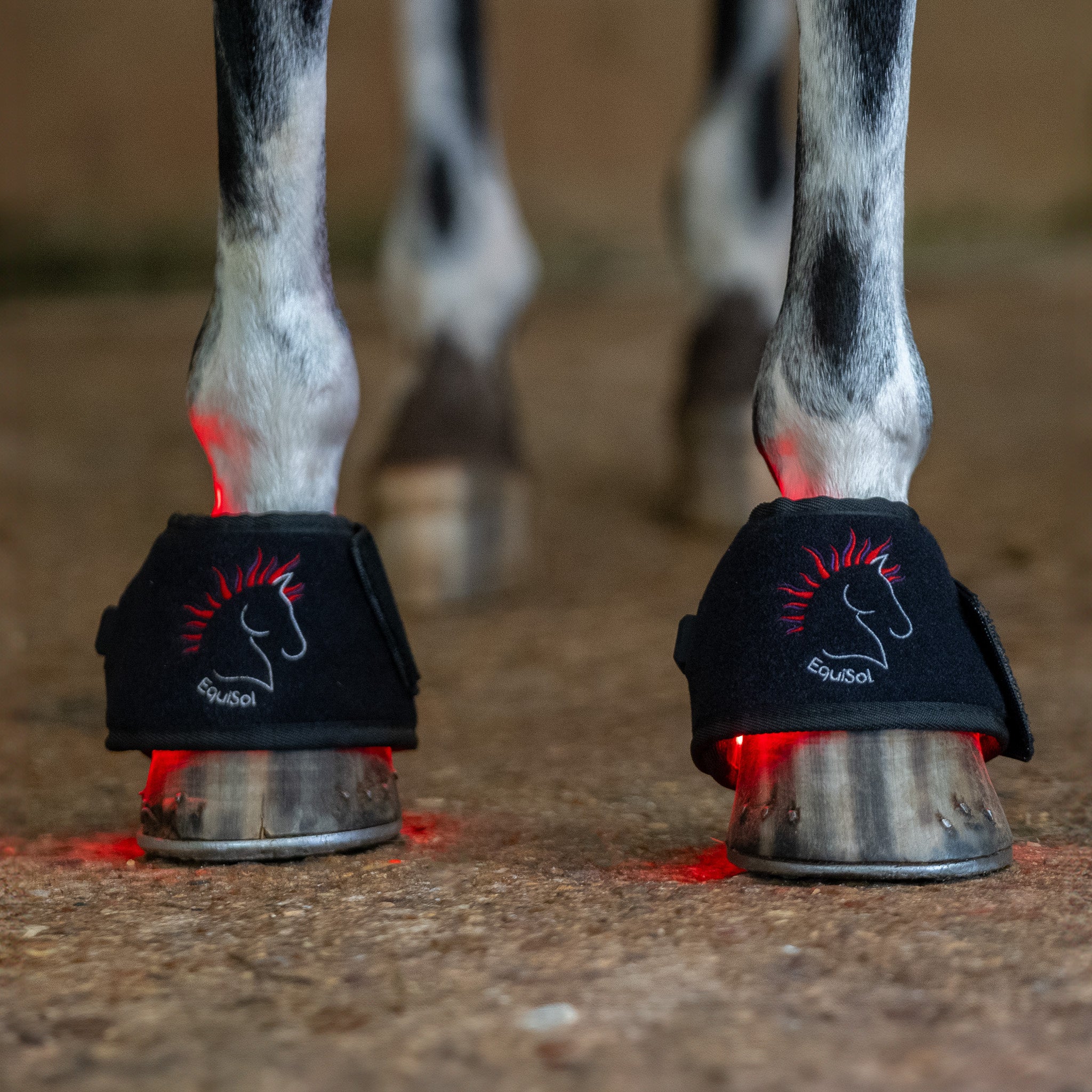
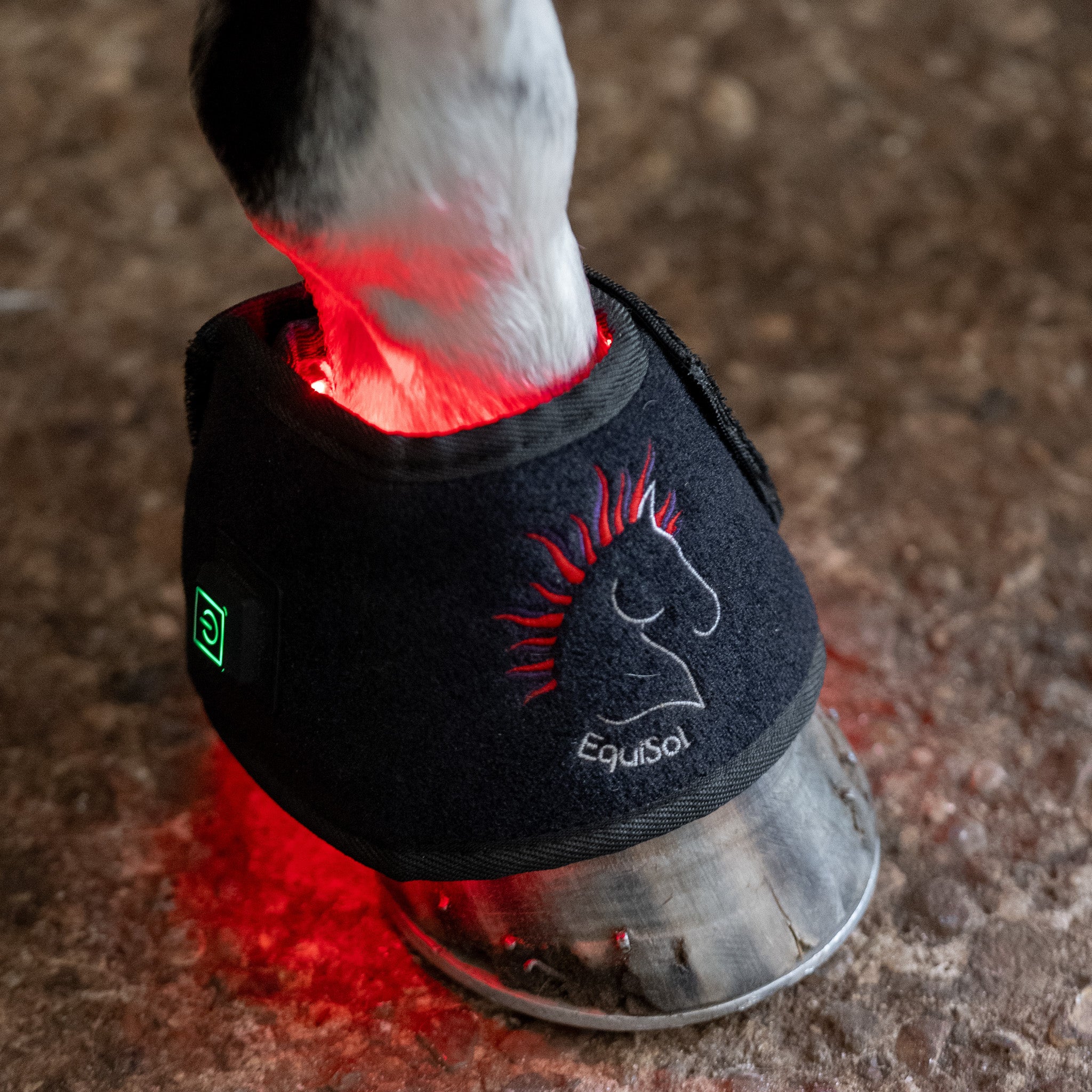
PBM should complement these measures rather than displace them. AnimaSol's red light therapy gear enables you to send your patients home with safe, affordable therapy gear to aid in the pets comfort and recovery.
5. Reassess and document outcomes
Use consistent outcome measures at defined intervals. If meaningful improvement does not occur, reassess the diagnosis, treatment protocol, adherence, and broader care plan.
What Should Pet Parents Look for in a Red Light Therapy Device?
Not all devices marketed as red light therapy products deliver the same type or amount of light.
Before choosing a device, consider:
- Does the manufacturer clearly disclose wavelengths and output specifications?
- Is the device designed for the intended animal and treatment area?
- Are instructions for treatment time, distance, and frequency clear?
- Does the manufacturer provide safety guidance and appropriate eye protection instructions?
- Can the pet's veterinarian help determine whether the device is appropriate for the diagnosis?
Do not assume that all consumer wellness devices are created equal. There are many devices with fluff marketing and fruitless promises. Device-specific evidence and transparent specifications are important. Do your research and ask questions. At AnimaSol we pride ourselves on having real humans to reach out to for advice and assistance.
Frequently Asked Questions About Red Light Therapy for Dogs
Does red light therapy help dogs with arthritis?
Small randomized clinical trials have reported improvements in pain, lameness, and aspects of joint function in dogs receiving specific PBMT protocols for elbow or hip osteoarthritis. DogSol case studies have shown improvements in comfort and mobility.
Can red light therapy help a dog with IVDD?
Evidence is limited and mixed. Some studies of dogs receiving postoperative rehabilitation have reported encouraging neurological findings, while another controlled study did not find significant differences in early recovery outcomes. PBM should only be considered an adjunct to veterinary-directed treatment. We have had AnimaSol clients leave reviews that our DogSol is helping their pups become more comfortable.
Can red light therapy cure arthritis or IVDD?
No. While red light therapy can provide some comfort and relief of pain, current evidence does not establish that PBM cures either condition, nor reverse the underlying structural changes associated with osteoarthritis or disc disease.
Can red light therapy replace pain medication for dogs?
One small canine elbow osteoarthritis trial reported reduced NSAID requirements in the PBMT group, but this does not establish that all dogs can safely reduce medication. Ask your vet for guidance.
Is near-infrared light better than red light for dogs?
Not universally. Wavelength affects tissue interactions, but outcomes also depend on irradiance, energy delivery, treatment location, device characteristics, and the condition being addressed.
How often should a dog receive photobiomodulation?
There is no single schedule that applies to every device and condition. Clinical trials have used different treatment frequencies and durations. Follow device-specific veterinary guidance rather than assuming a protocol from one study applies to all systems. The beauty of LED Light therapy over LLLT is that you can not overdose or cause harm, but excessive use will not speed up results either.
Is photobiomodulation safe for dogs?
PBM is generally considered a noninvasive modality when used appropriately, but safety depends on the device, protocol, treatment site, and patient. LED Red Light Therapy is generally considered safe for home use, while LLLT may have medical risks in the event the laser is too strong to be used without medical training. Follow manufacturer precautions, use appropriate eye protection, and consult a veterinarian before treating an undiagnosed or potentially serious condition.
Key Takeaway: Supporting Comfort Through Informed Care
Photobiomodulation offers a promising area of veterinary research, particularly for dogs with osteoarthritis. Controlled canine studies have reported improvements in pain and function with specific therapeutic laser protocols, while research into IVDD remains mixed.
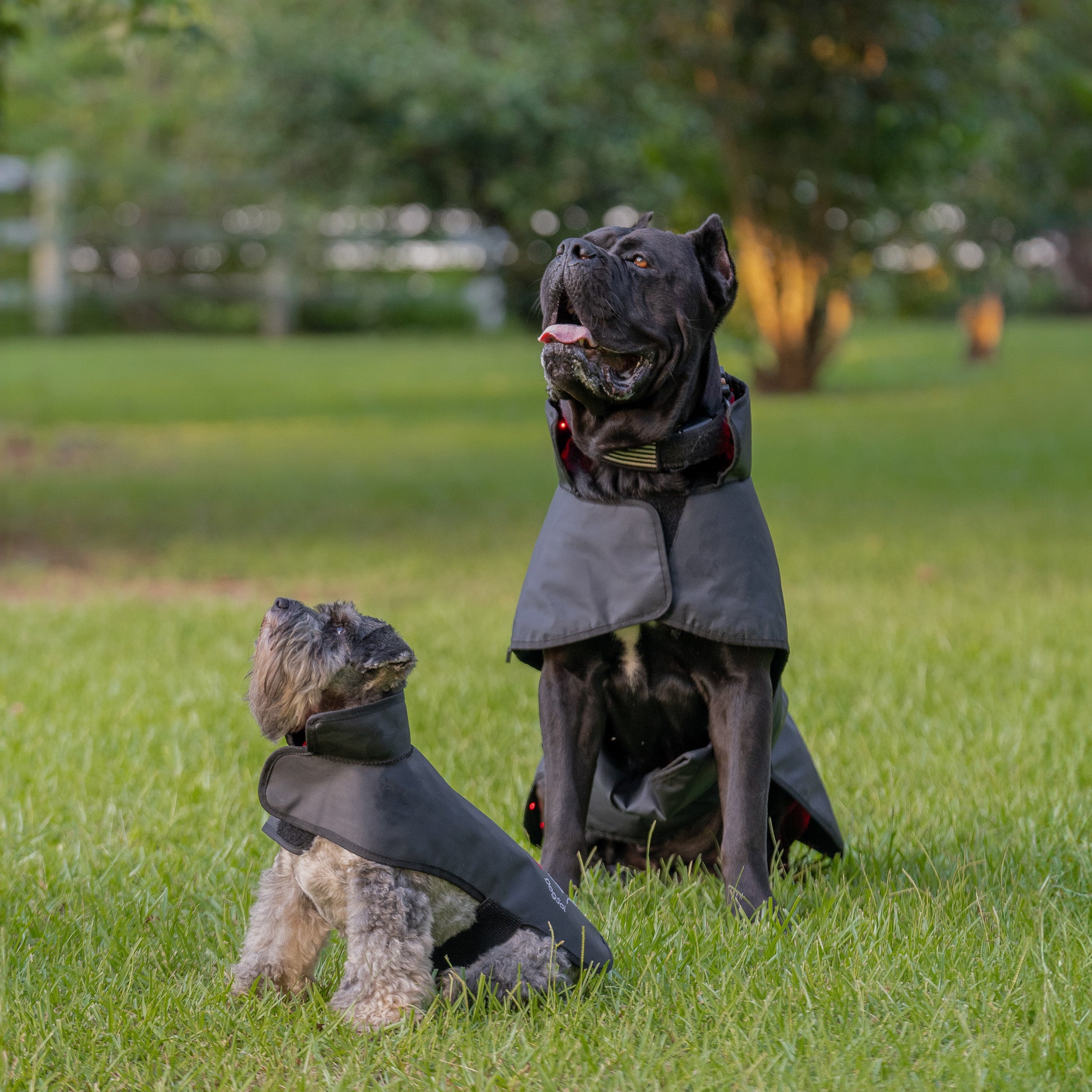
For pet parents, LED red light therapy is a supportive option for their pet's needs which they can be safely used at home, on the road, or in the barn without the potential for harm.
For veterinarians, PBM may be worth considering as one component of an evidence-informed, multimodal approach to comfort and rehabilitation—provided the treatment protocol, device specifications, clinical goals, and limitations of the evidence are clearly understood. LED Red light therapy gear can be a great modality to offer your patients for home care which is safe and affordable.
Light therapy is a tool to support physical comfort and cellular function.
Its value lies in thoughtful application, realistic expectations, and its place within a broader commitment to animal well-being.
At AnimaSol, we believe informed care starts with understanding the science, asking better questions, and exploring supportive technologies responsibly.
Explore AnimaSol's light therapy solutions and discuss whether photobiomodulation may be appropriate for your animal with your veterinary care team.
References
- Looney AL, Huntingford JL, Blaeser LL, Mann S. (2018). A randomized blind placebo-controlled trial investigating the effects of photobiomodulation therapy on canine elbow osteoarthritis. Canadian Veterinary Journal, 59(9), 959–966. Full text.
- Alves JC, Santos A, Jorge P, Carreira LM. (2022). A randomized double-blinded controlled trial on the effects of photobiomodulation therapy in dogs with osteoarthritis. American Journal of Veterinary Research, 83(8). Publication and abstract.
- Bennaim M et al. (2017). Preliminary evaluation of the effects of photobiomodulation therapy and physical rehabilitation on early postoperative recovery of dogs undergoing hemilaminectomy for treatment of thoracolumbar intervertebral disk disease. American Journal of Veterinary Research, 78(2), 195–206. Publication and abstract.
- Spinella G et al. (2020). Perilesional photobiomodulation therapy and physical rehabilitation in postoperative recovery of dogs surgically treated for thoracolumbar disk extrusion. BMC Veterinary Research. Full text.
- Pye C et al. (2024). Current evidence for non-pharmaceutical, non-surgical treatments of canine osteoarthritis. Journal of Small Animal Practice. Publication.
- Hamblin MR. (2016). Mechanisms and applications of the anti-inflammatory effects of photobiomodulation. AIMS Biophysics. Full text.