If you've been researching red light therapy or photobiomodulation, you've probably heard the claim that lasers are more powerful, penetrate deeper, and deliver better results than LEDs.
But is that always true?
The scientific evidence tells a more interesting story.
Photobiomodulation (PBM) uses specific wavelengths of light to influence biological processes in living tissue. Although the field originally developed around lasers, researchers have since investigated a variety of light sources, including LEDs and multi-wavelength photobiomodulation devices.
And one important study involving living horses raises a question worth asking:
Does a Class IV laser always deliver more light through tissue than a photobiomodulation device?
The answer may surprise you.
What Is the Difference Between Laser and LED Therapy?
Lasers and LEDs generate light differently, and those differences can affect how light is delivered.
Laser therapy typically produces a narrow-band, highly directional beam. Depending on the device, lasers can deliver substantial power to a relatively small treatment area, making them useful for targeted applications.
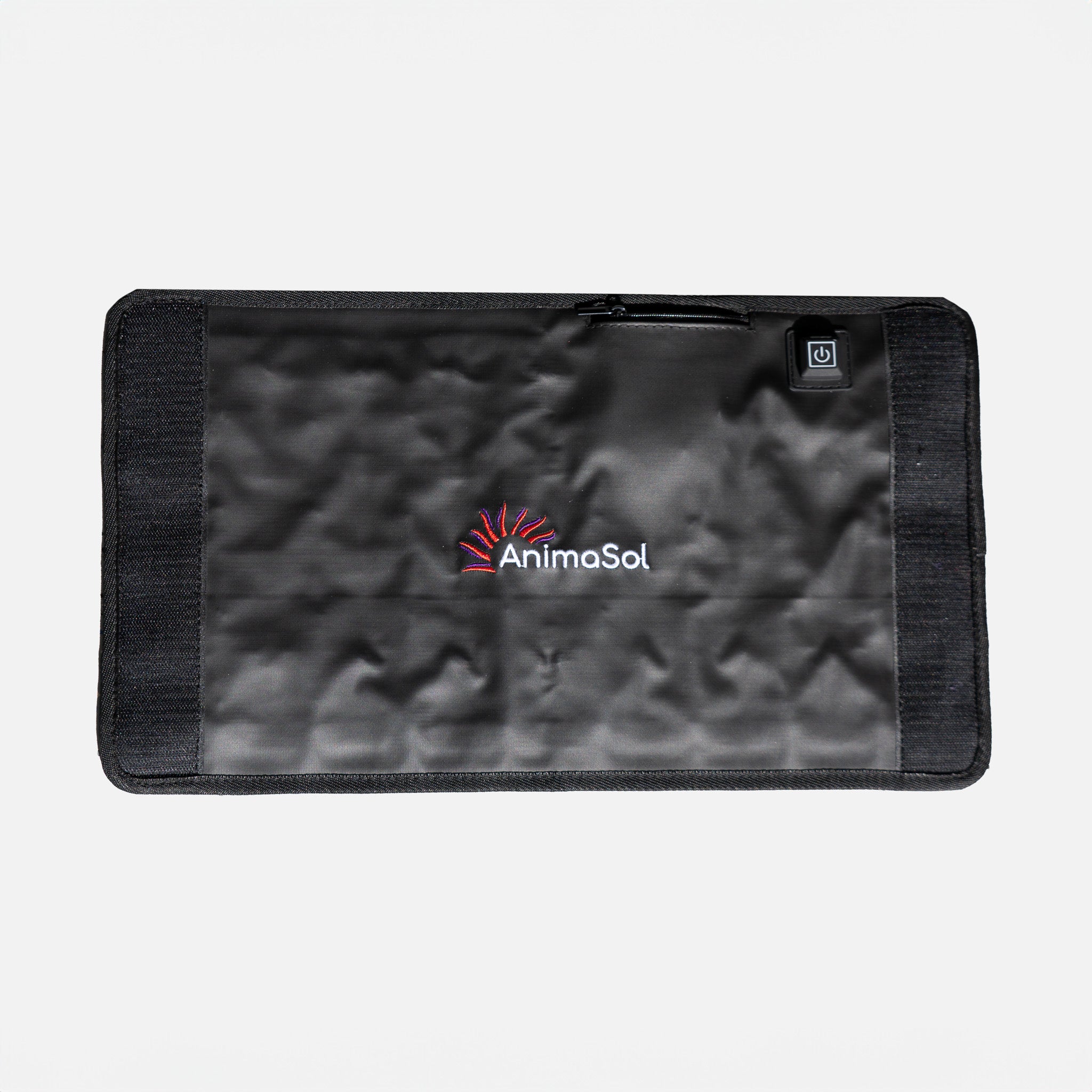
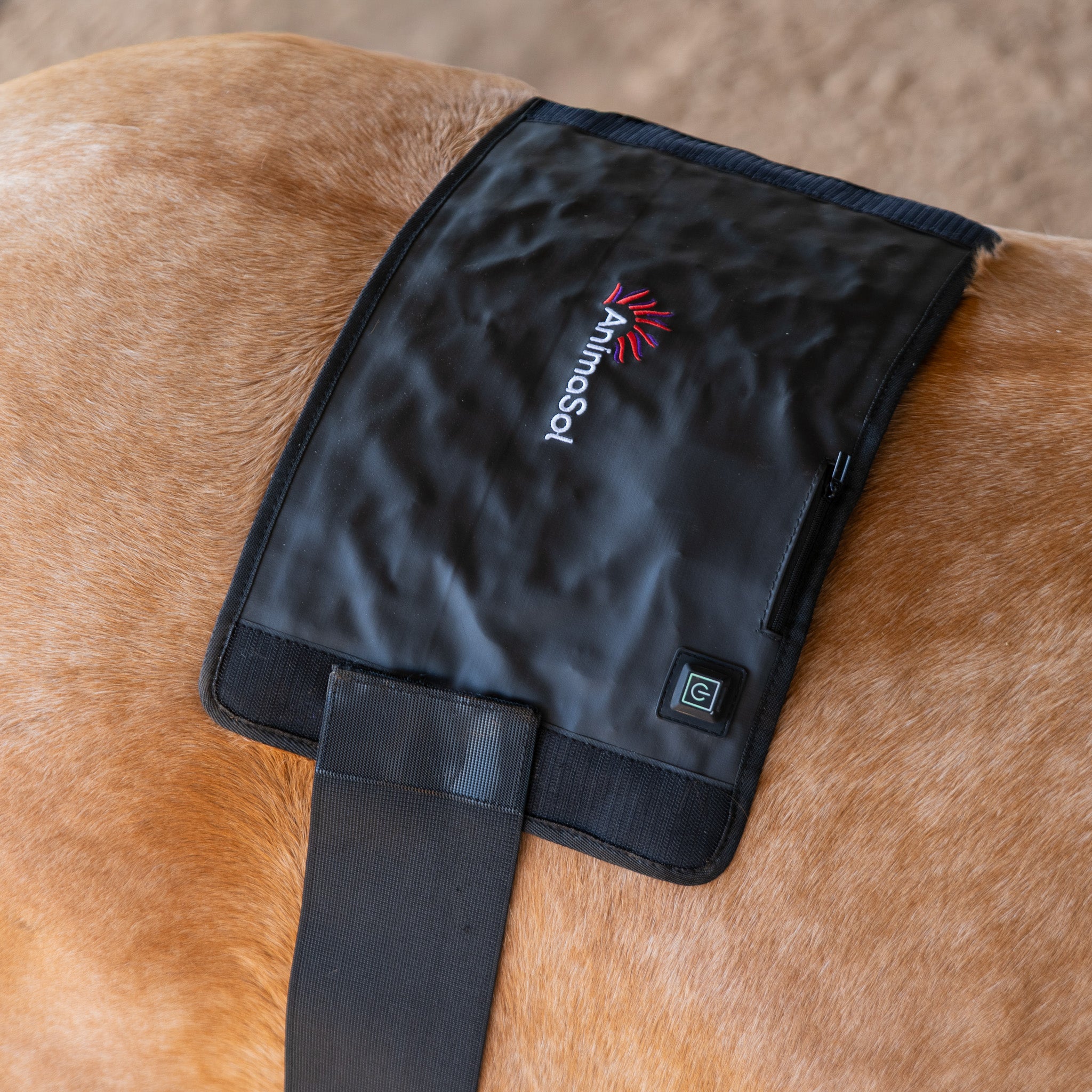
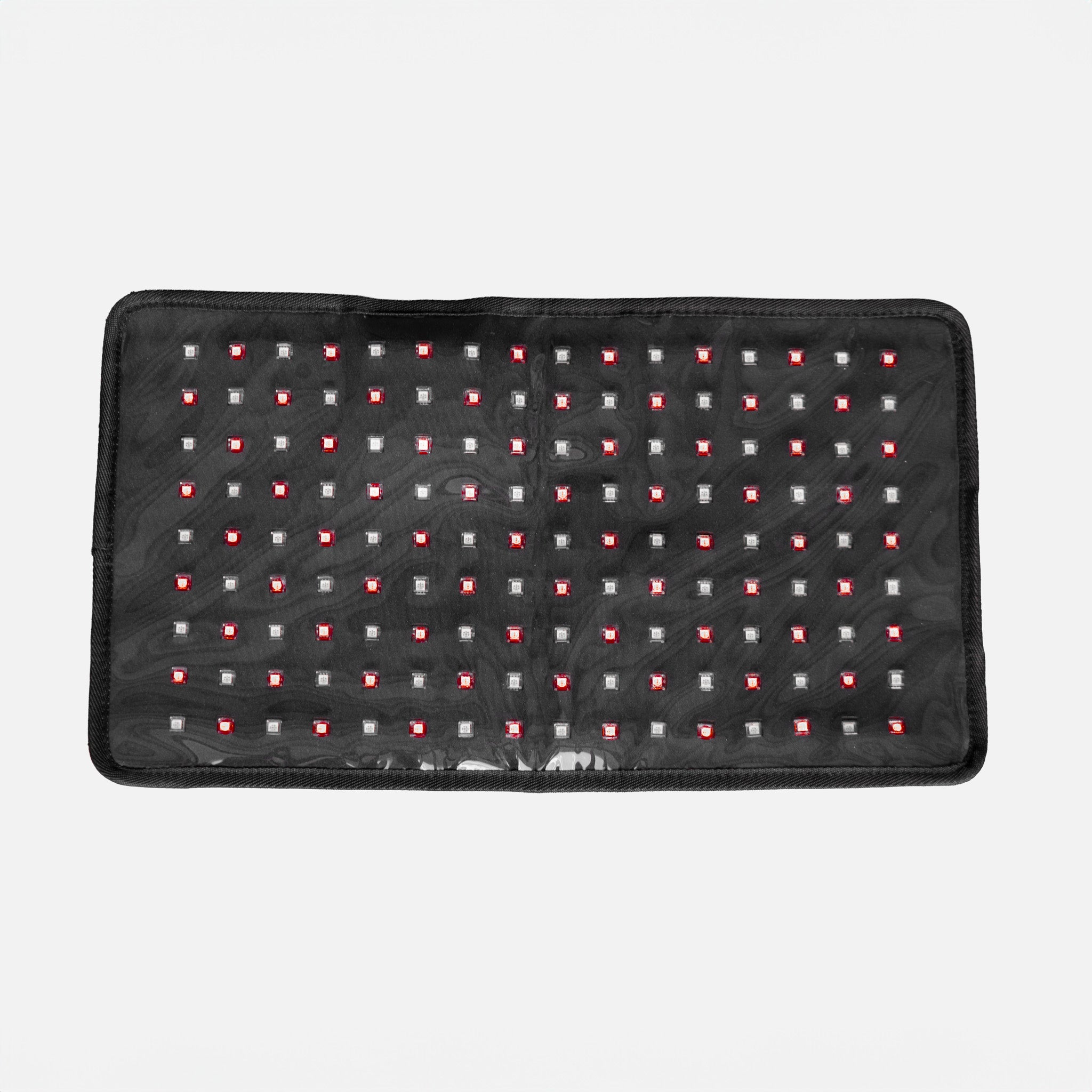
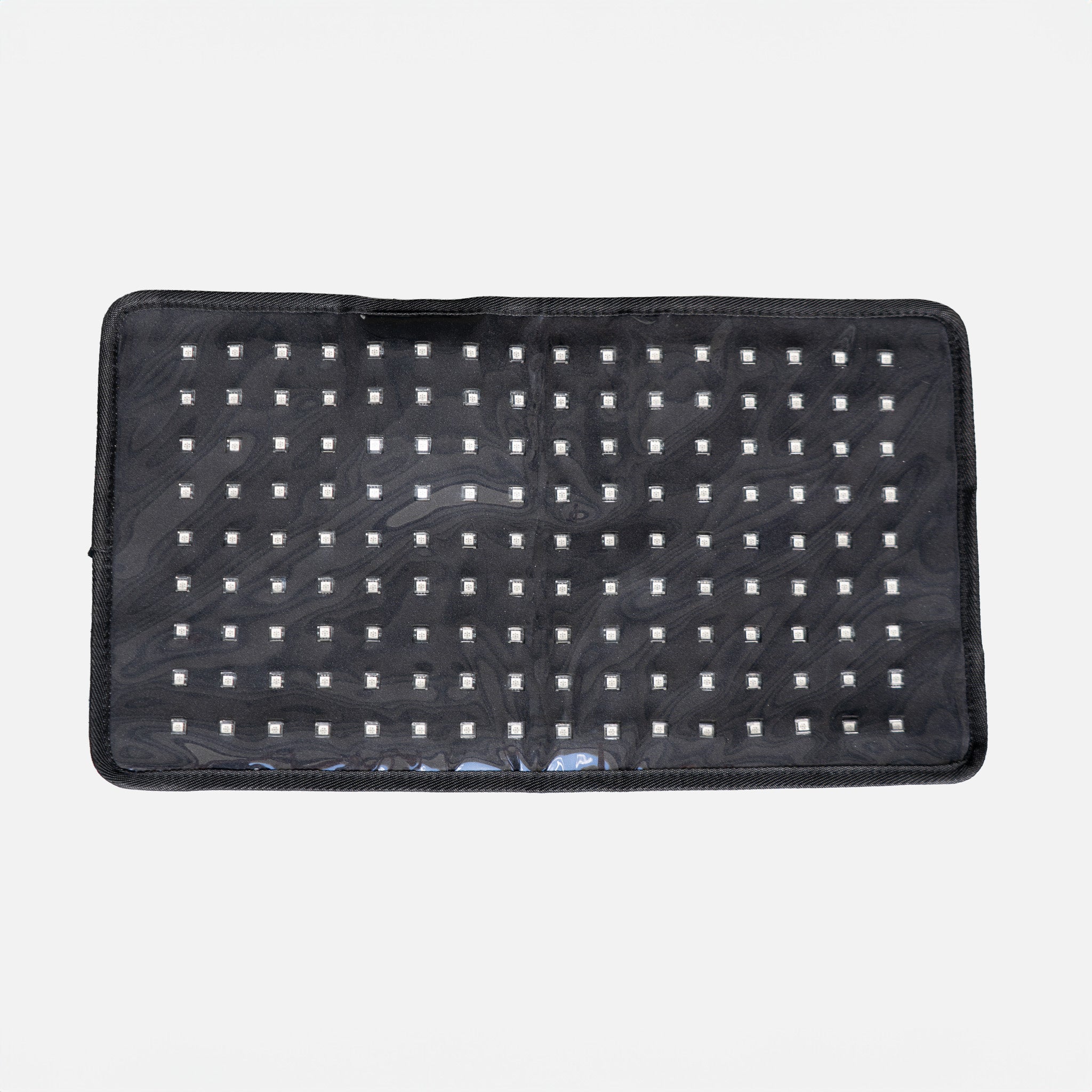
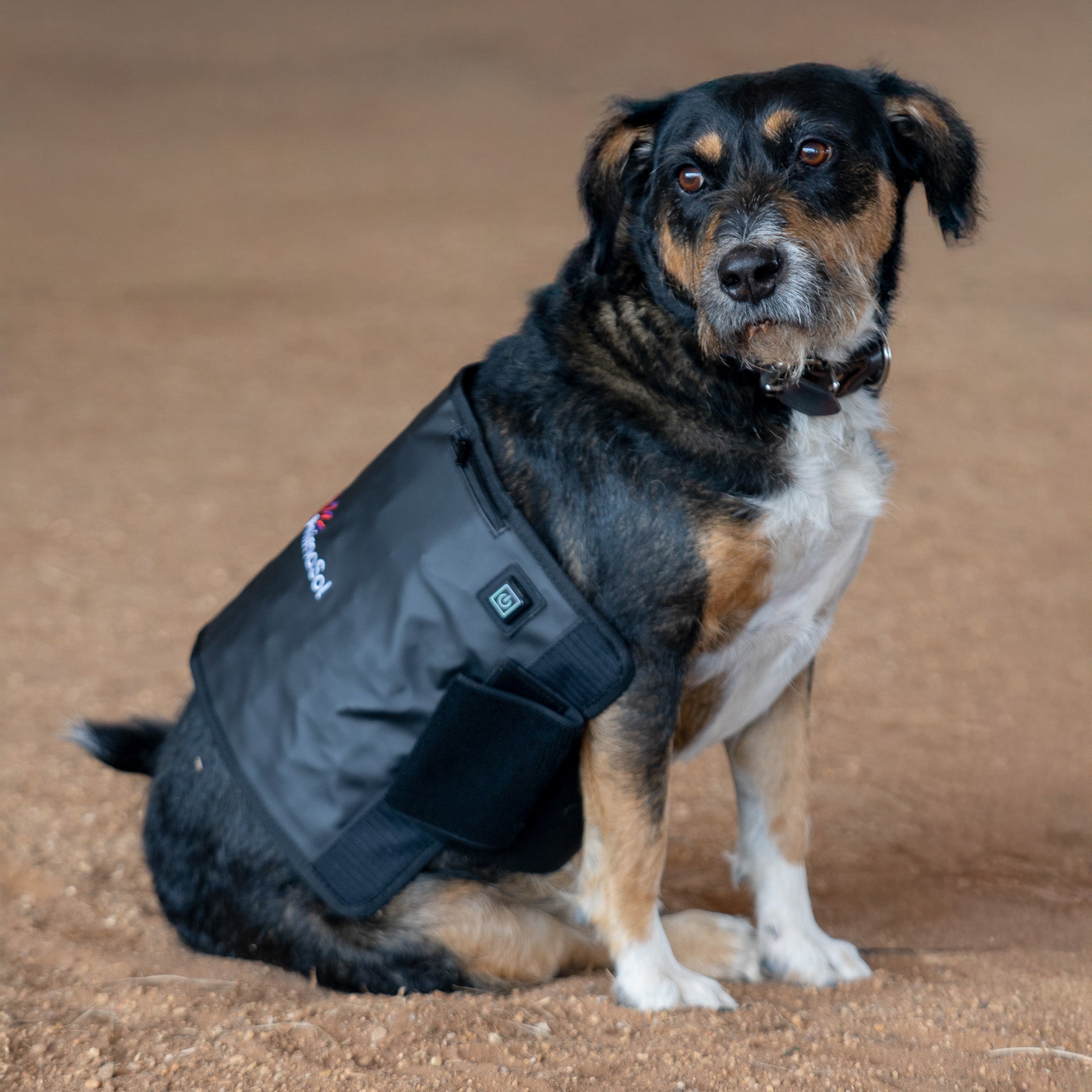
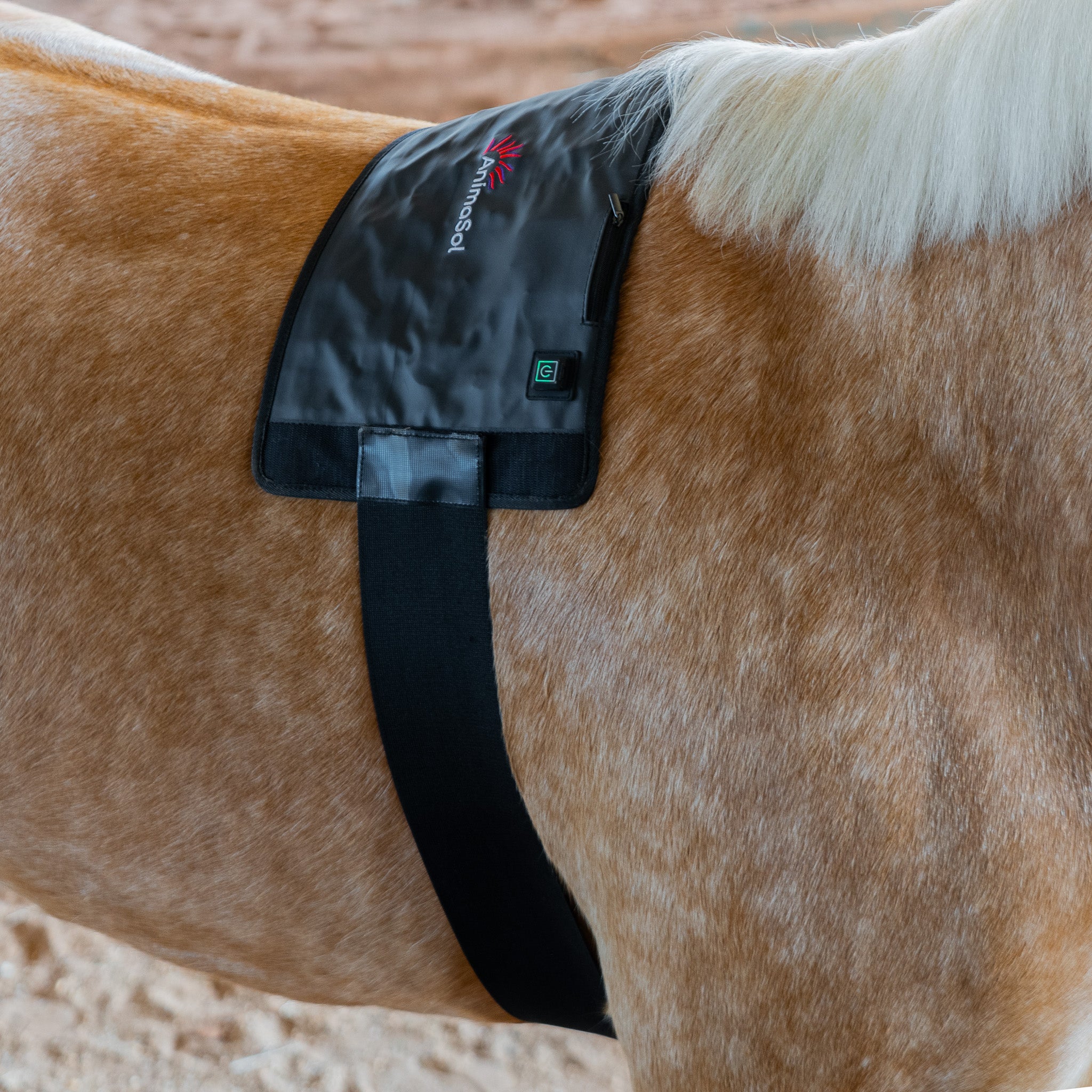
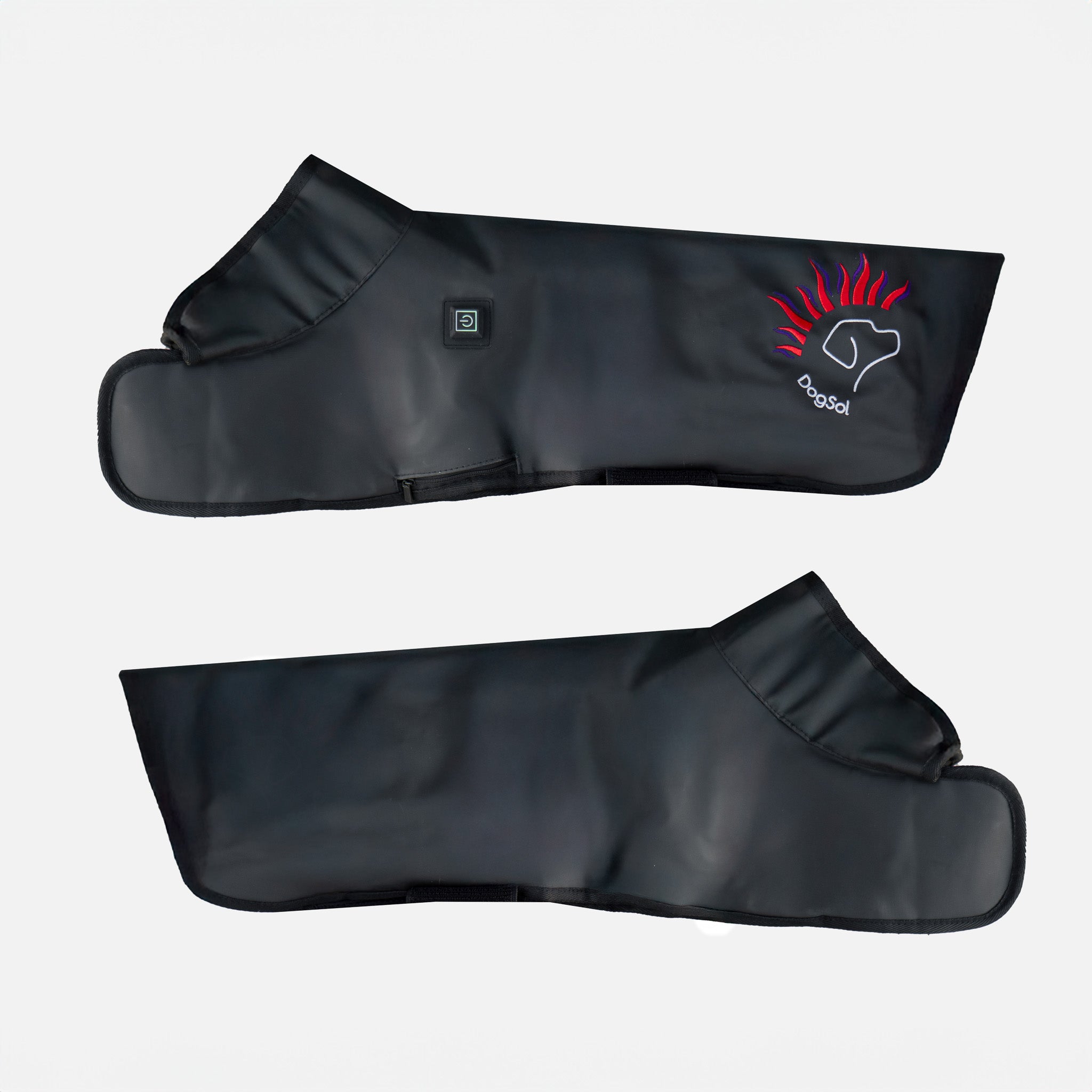
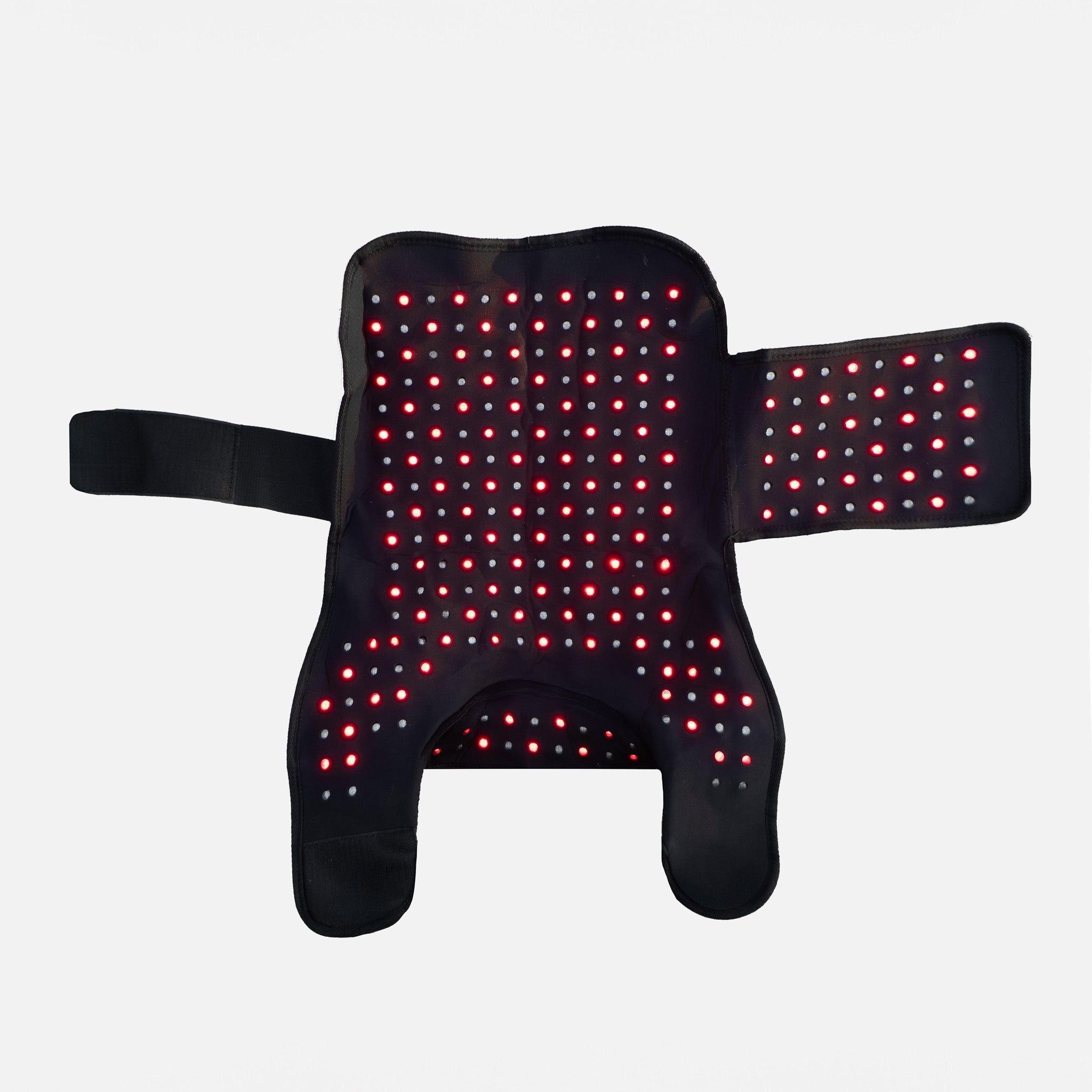
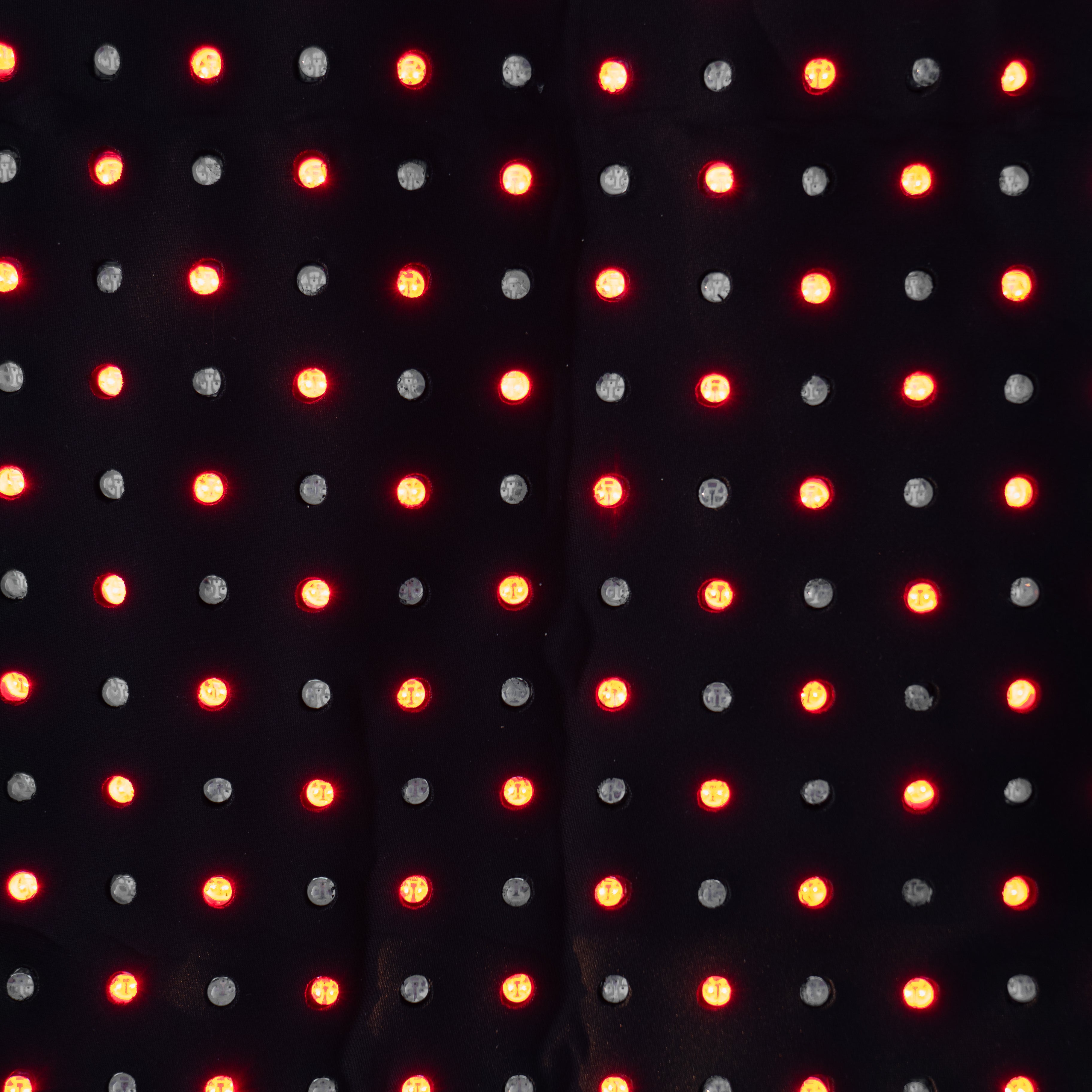
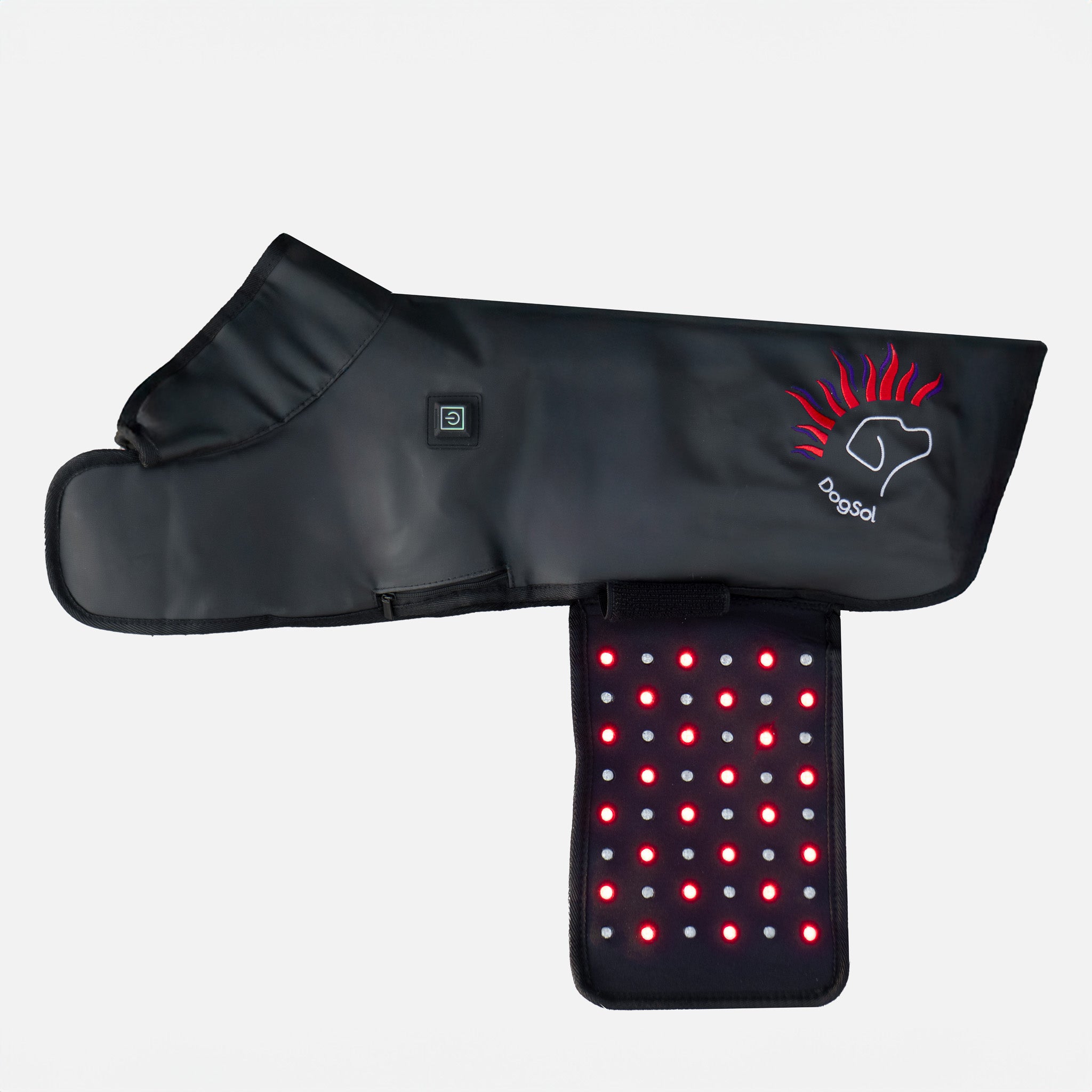
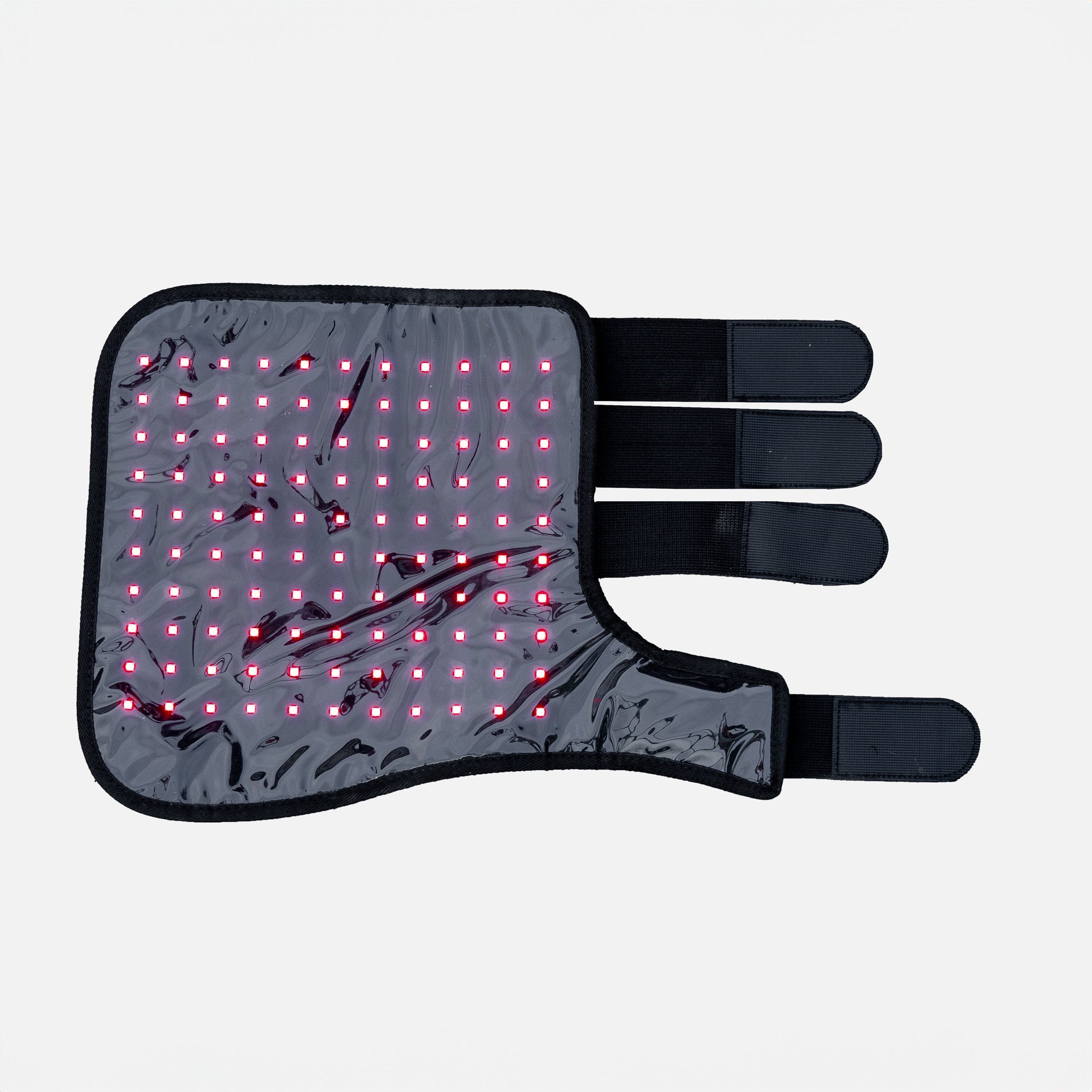
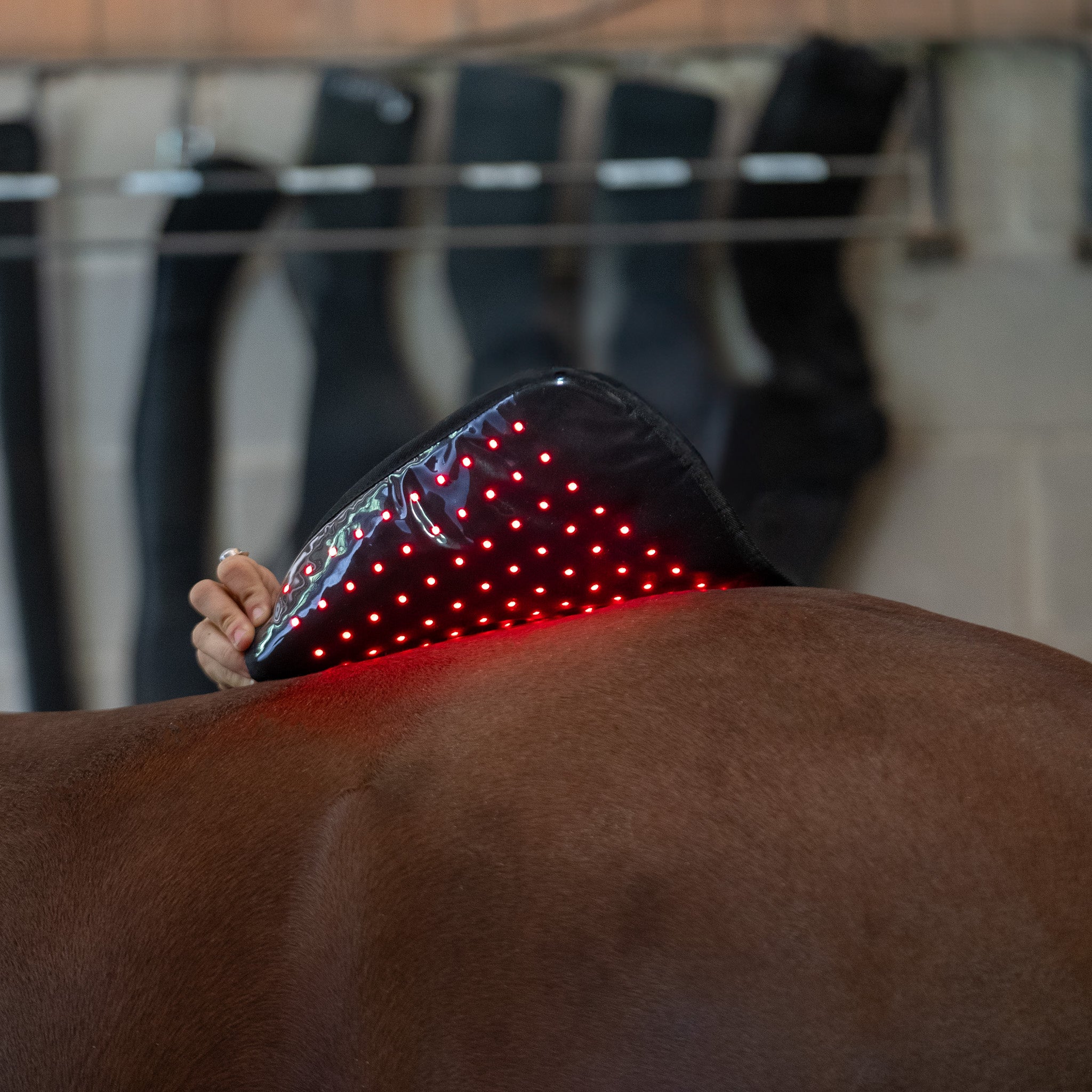
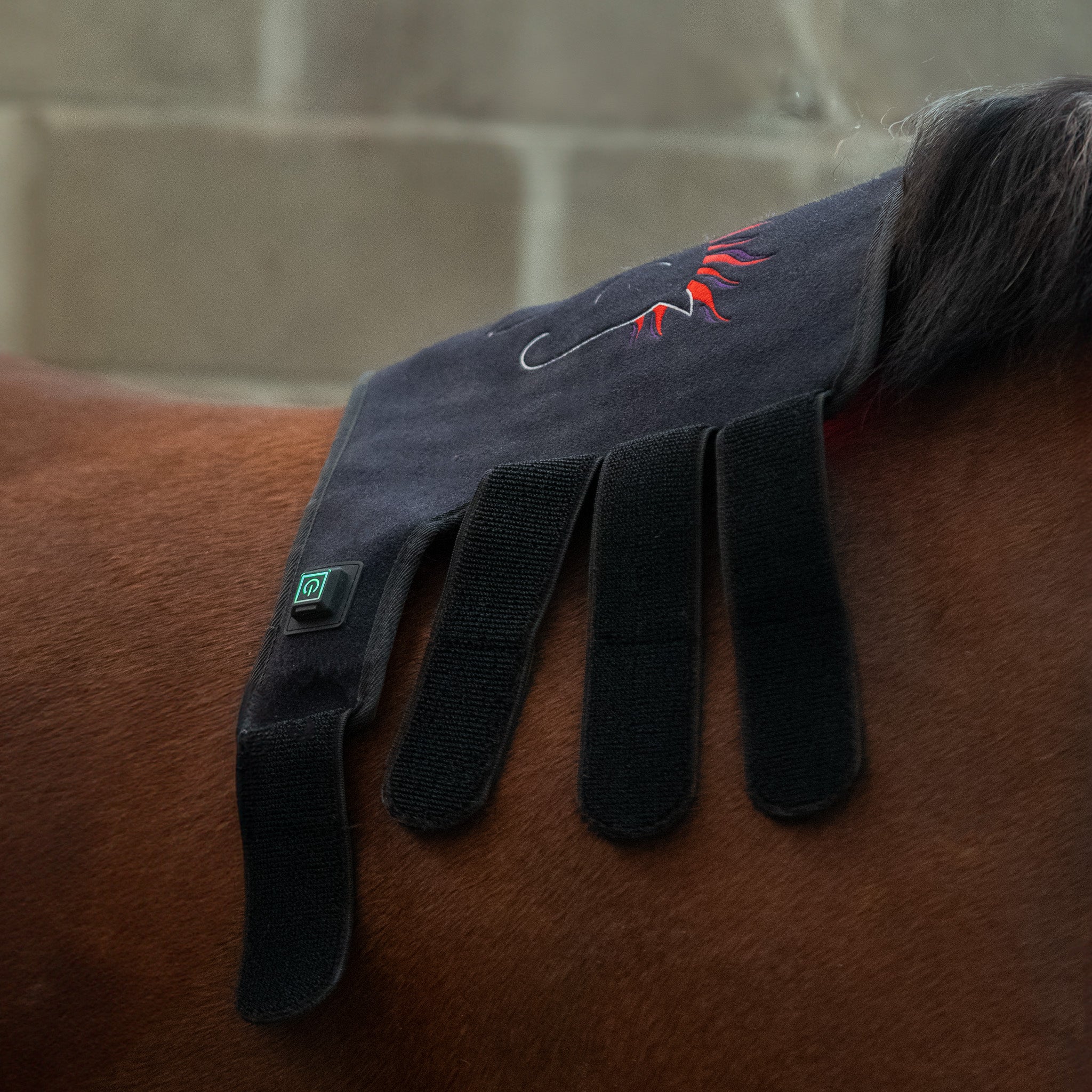
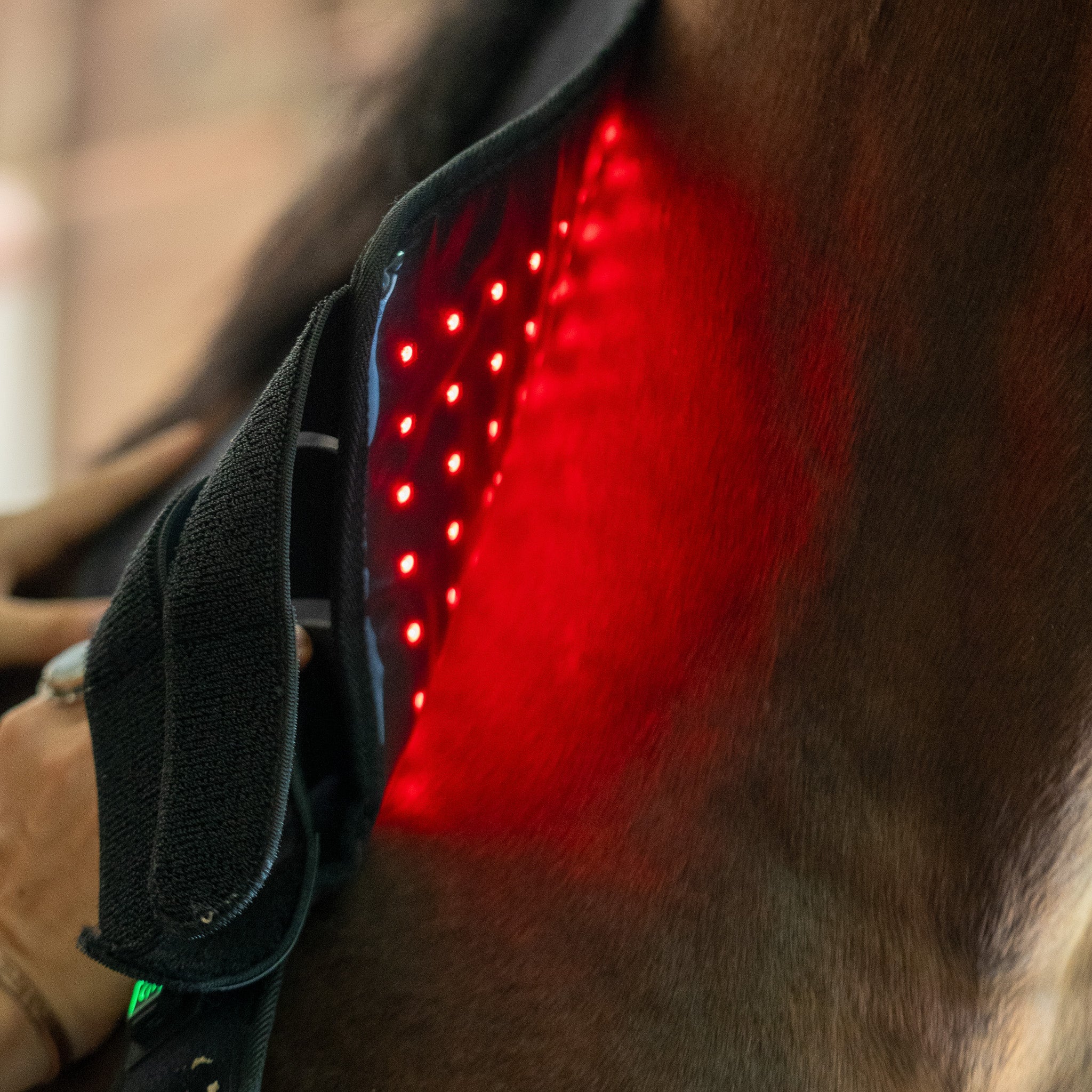
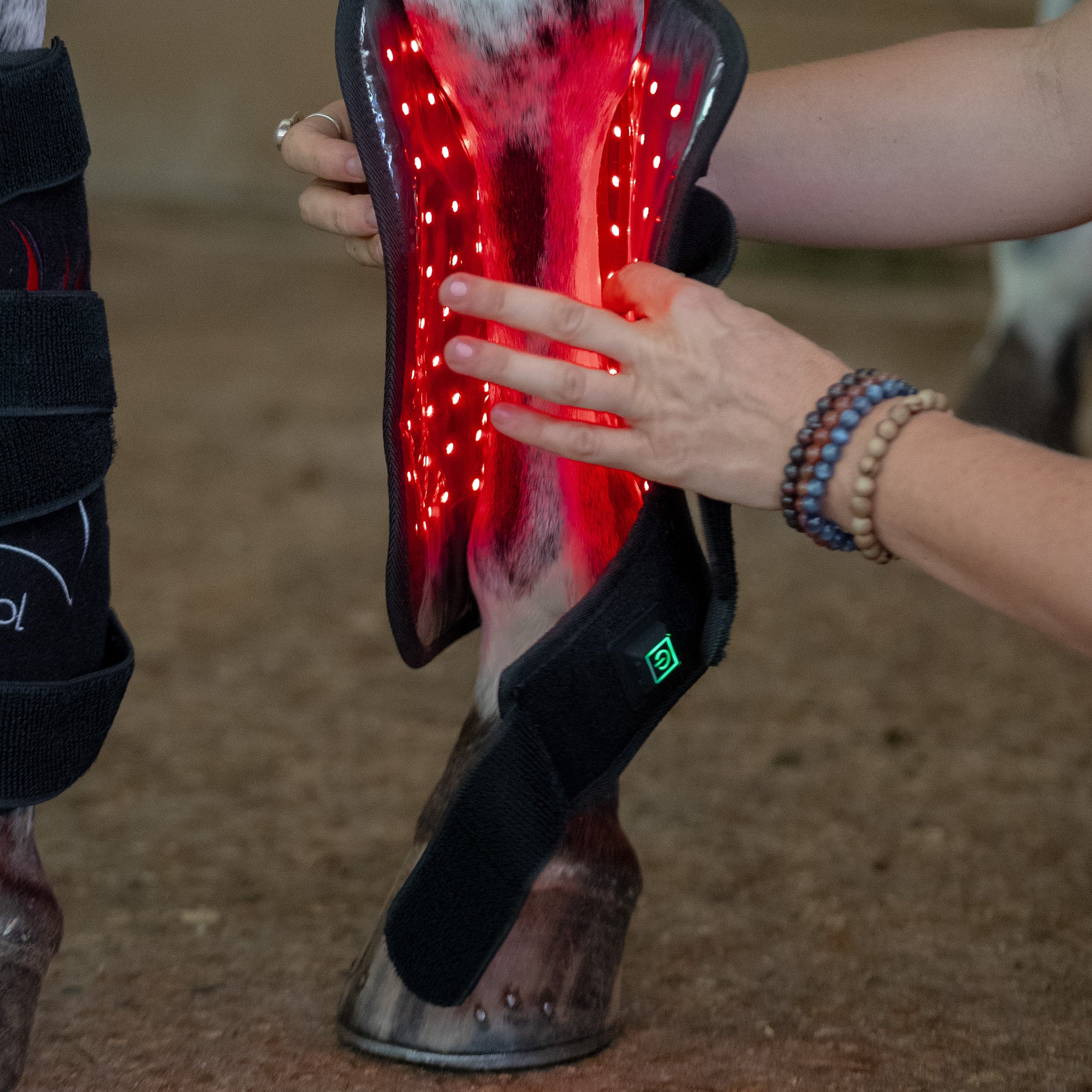
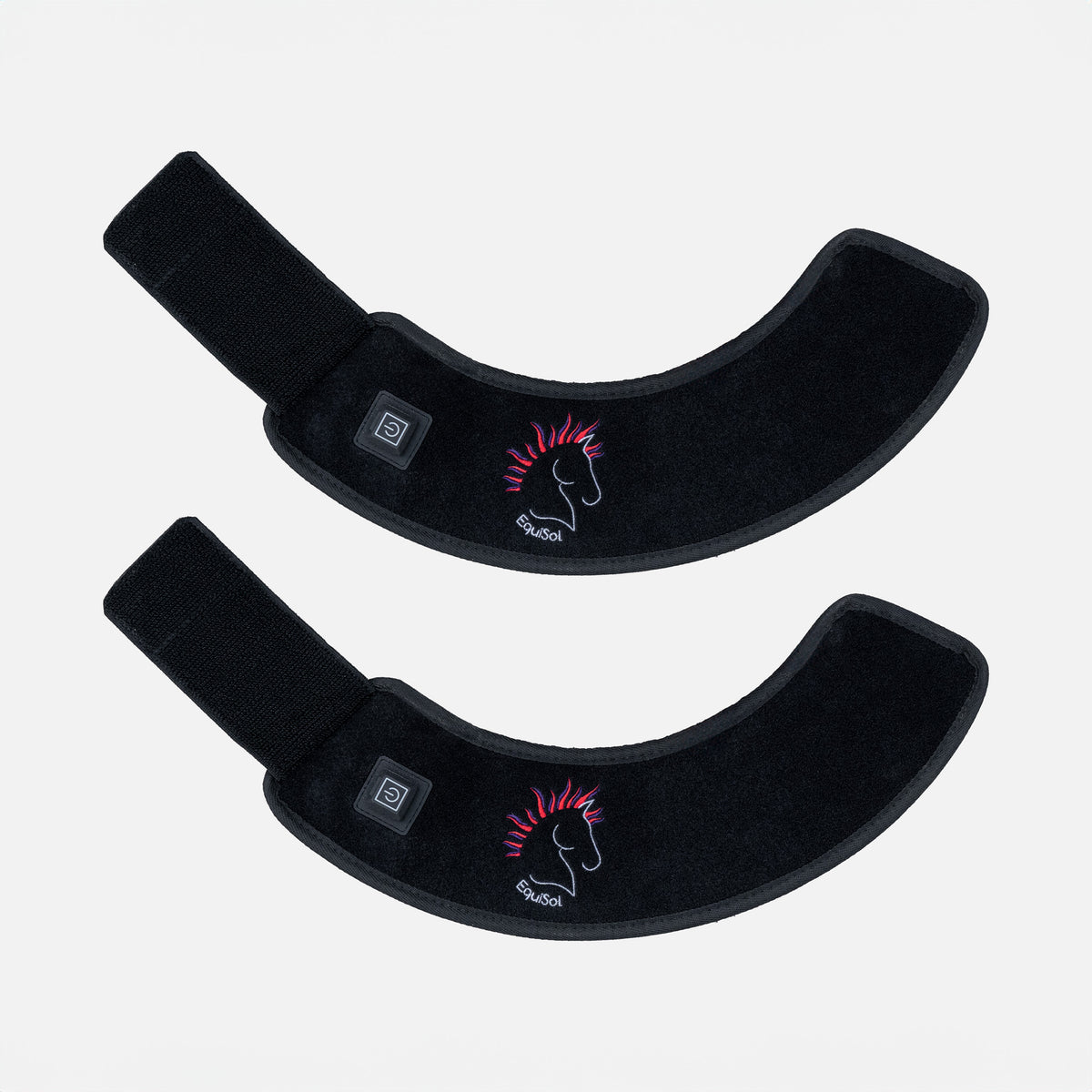
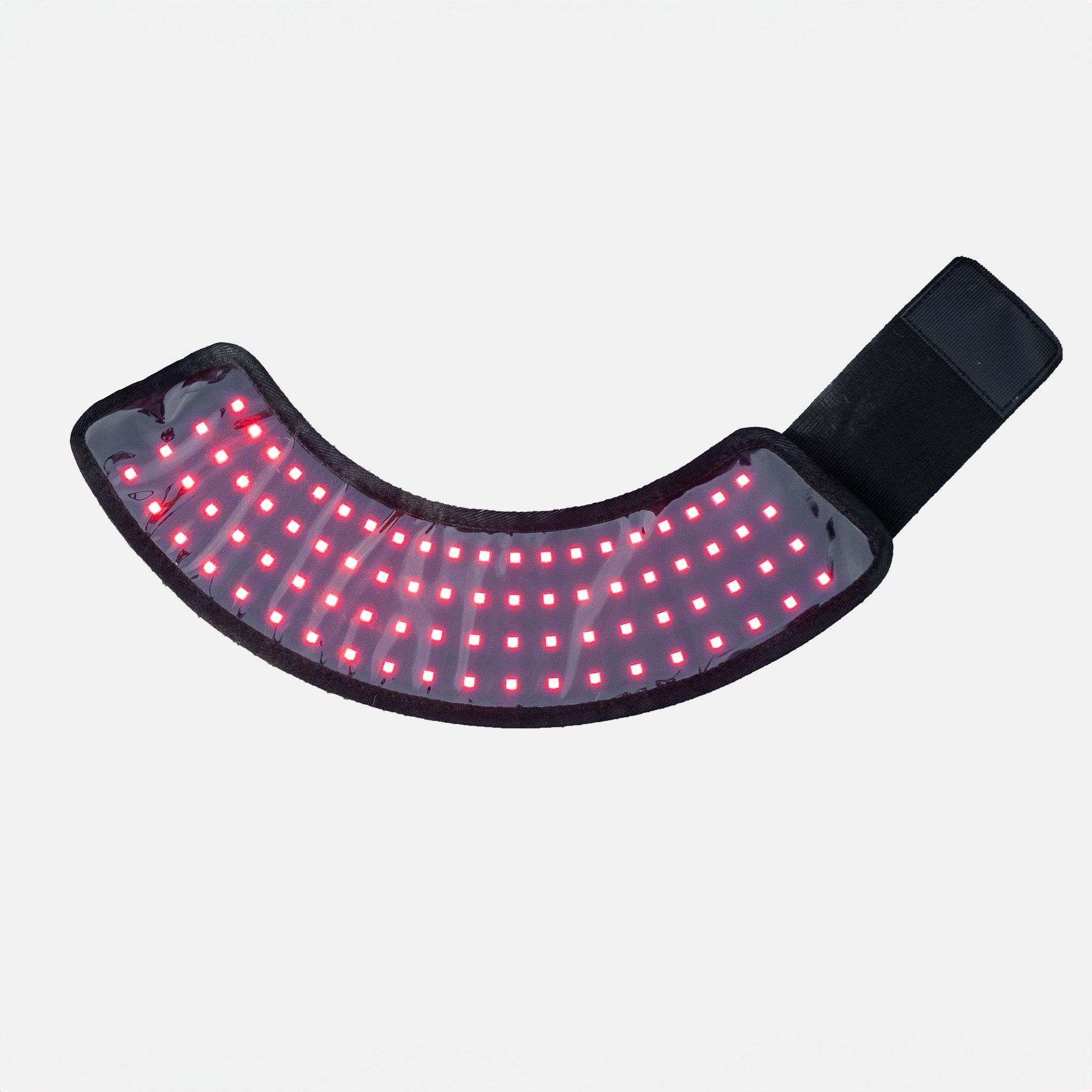
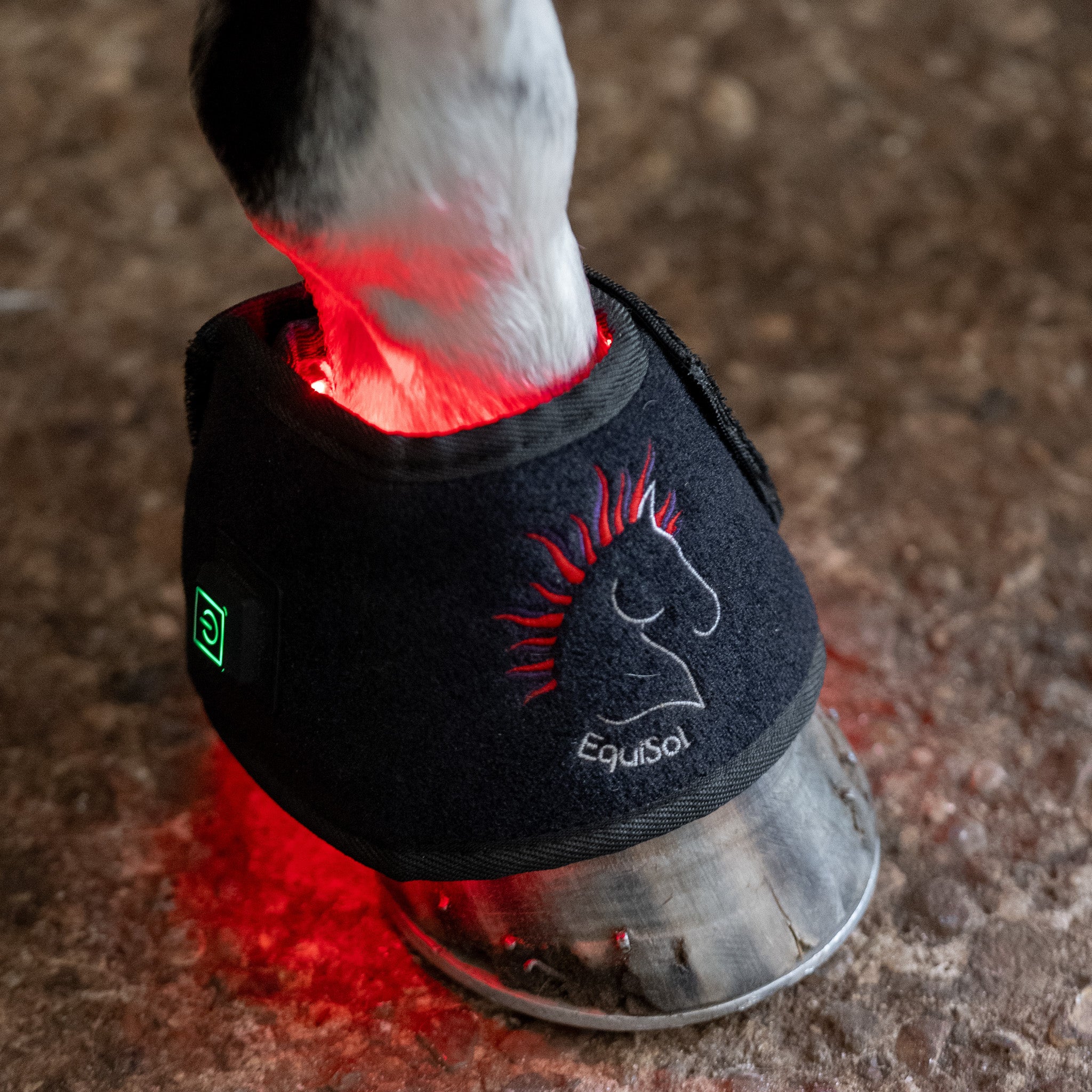
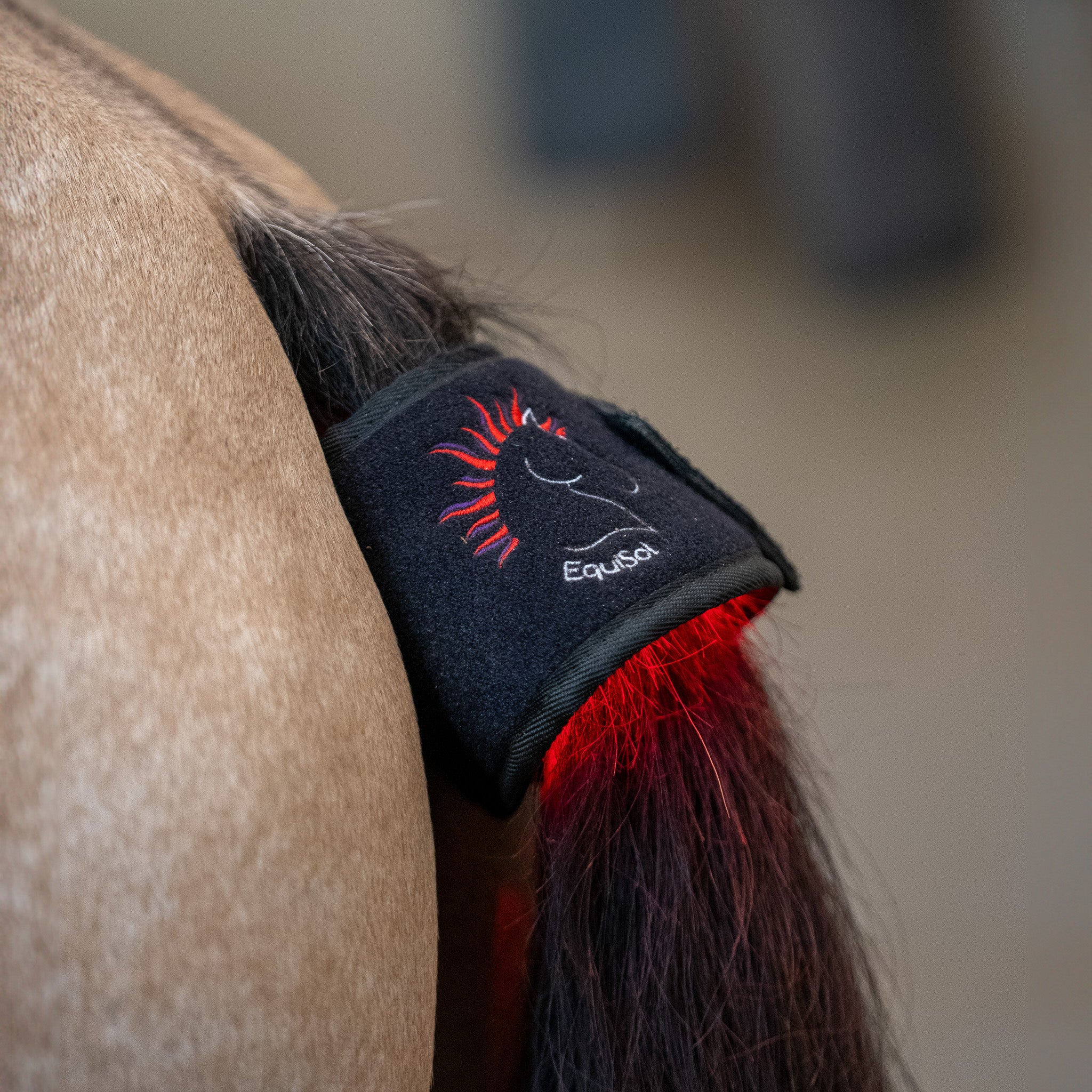
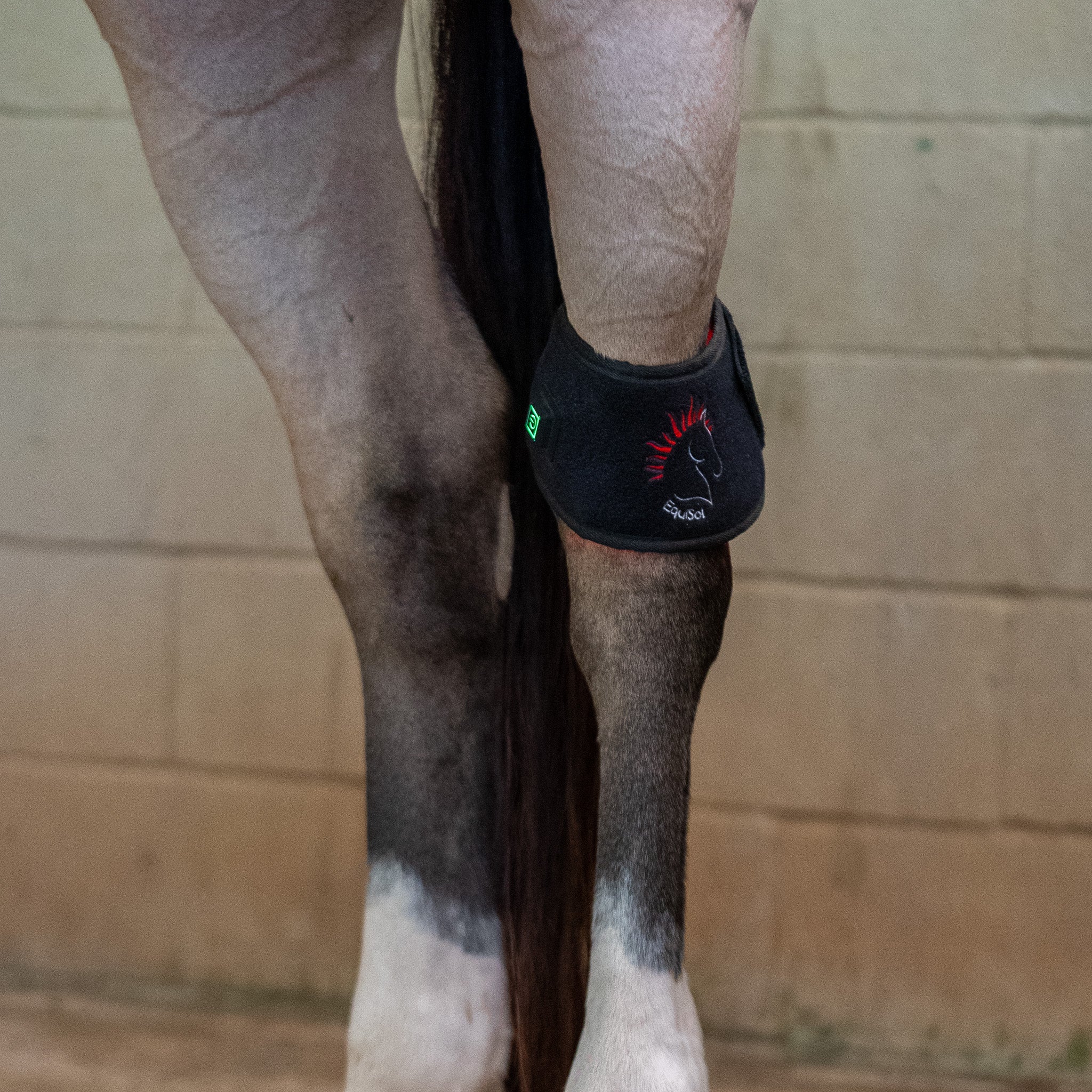
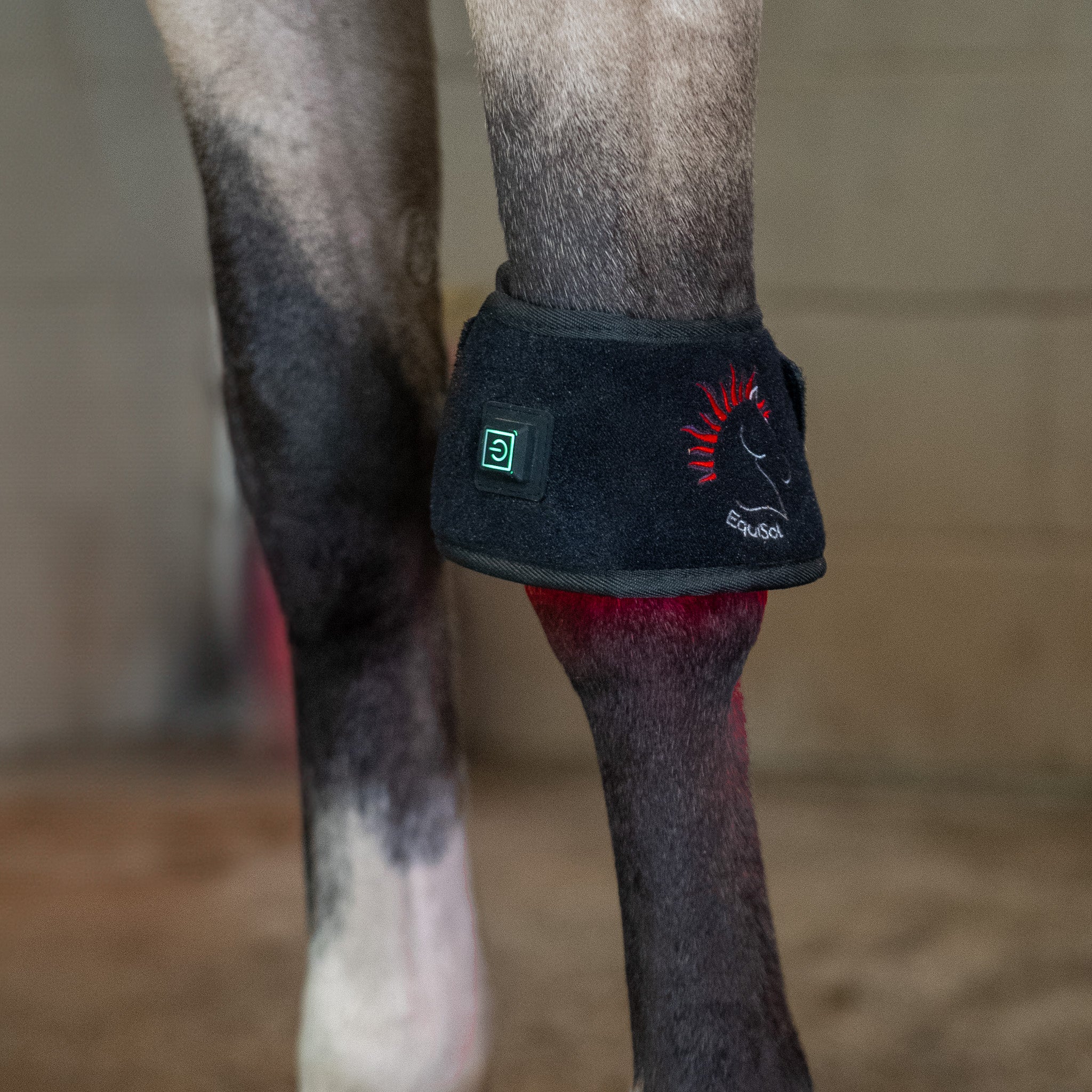
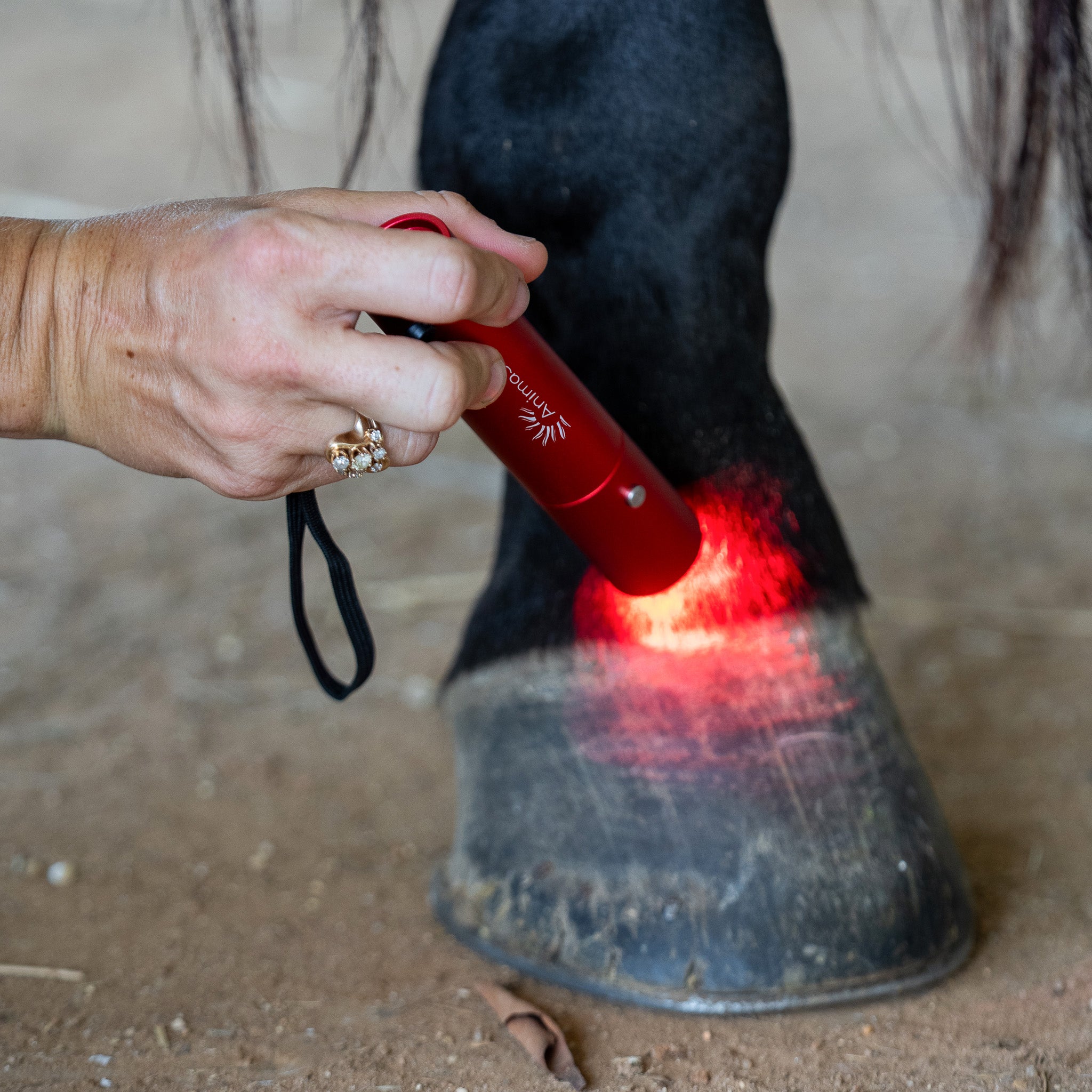
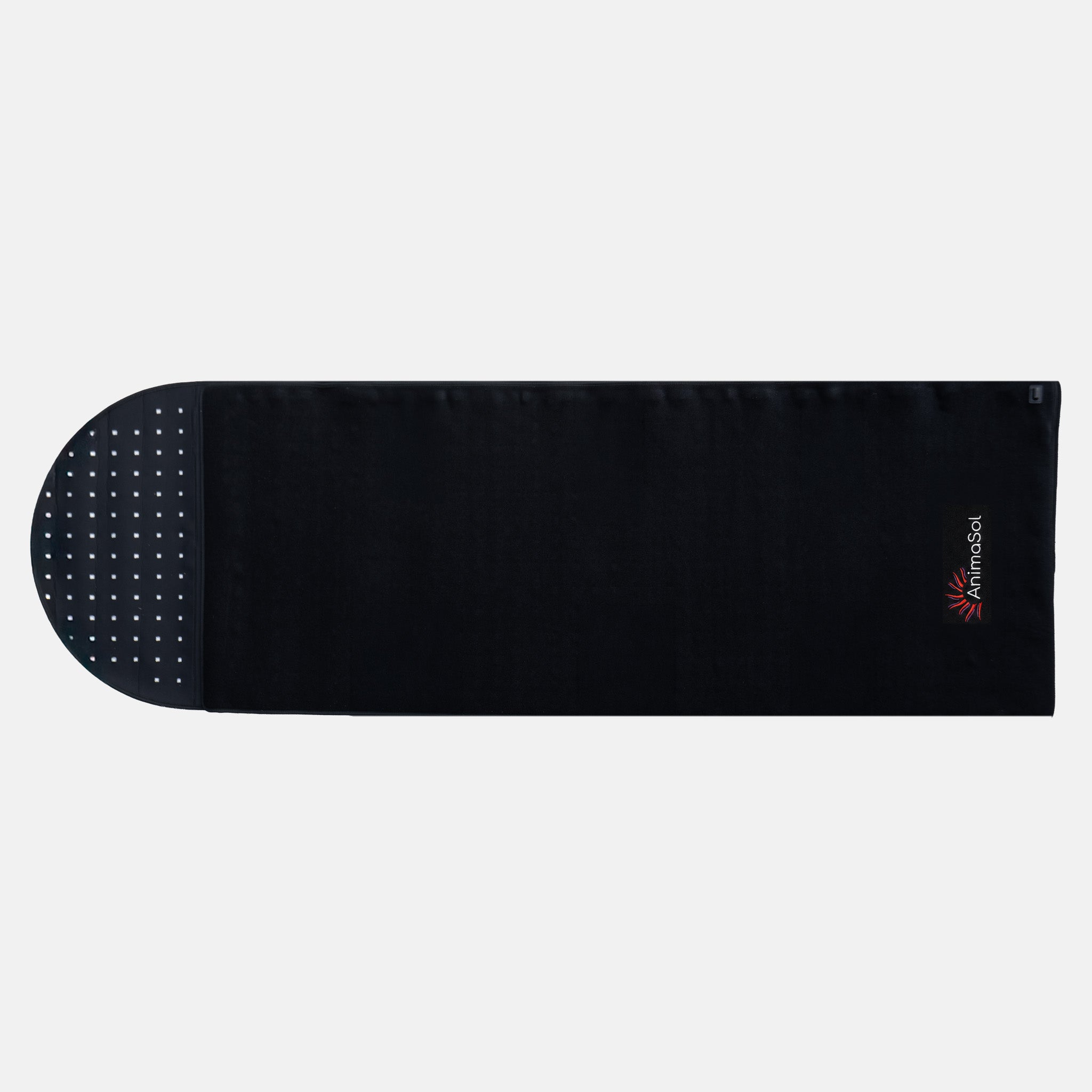
LED photobiomodulation uses light-emitting diodes to deliver selected wavelengths across a broader area. LED arrays can be incorporated into blankets, wraps and other wearable devices, allowing larger regions of the body to be treated simultaneously.
Neither technology is automatically superior for every application.
The important variables include wavelength, irradiance, dose, treatment time, tissue characteristics and how the device delivers its light.
To understand why those details matter, let's look at the research.

A Study in Living Horses Challenges Assumptions About Laser Penetration
In a study published in the Journal of Equine Veterinary Science, researchers Stelio Pacca Loureiro Luna and colleagues compared the light-penetration profiles of two therapeutic devices in the skin of living horses.
The study, titled Penetration Profiles of a Class IV Therapeutic Laser and a Photobiomodulation Therapy Device in Equine Skin, was published online in December 2019.
The researchers evaluated 12 adult horses, including six with light-to-medium-dark skin and six with dark skin. They compared a portable ACTIVet PRO photobiomodulation device with a LightForce Class IV therapeutic laser.
The researchers also investigated whether skin pigmentation influenced light penetration.
What did they find?
The study reported significantly greater light penetration with the ACTIVet PRO photobiomodulation device than with the Class IV laser in both light and dark skin.
The reported mean penetration measurements were:
- ACTIVet PRO photobiomodulation device: 0.01303
- Class IV therapeutic laser: 0.00122
The difference was statistically significant (P < .001).
The authors reported approximately 17 times greater penetration in light skin and eight times greater penetration in dark skin with the photobiomodulation device compared with the Class IV laser.
These findings challenge the assumption that a higher-class therapeutic laser necessarily delivers more light through the skin.
Why does this matter?
The study highlights an important distinction: the category of a light source alone does not tell us how much light will reach tissue beneath the skin.
Device design, output characteristics, wavelength, tissue properties and treatment parameters all matter.
However, this study compared two specific devices. It did not compare every LED device with every laser, and it measured light penetration rather than clinical healing outcomes.
It therefore supports a more precise conclusion: a Class IV laser is not automatically superior in light penetration, and individual device performance must be evaluated using actual measurements.
Read the original study in the Journal of Equine Veterinary Science.

Does Laser Light Penetrate Deeper Than LED Light?
This is one of the most persistent claims in the red light therapy industry.
Lasers are often described as superior because their light is coherent and highly directional. But tissue penetration is more complicated than that.
When light reaches skin, some is reflected, some is absorbed, and some is scattered. The amount that travels farther into tissue depends on multiple factors, including wavelength, the optical properties of the tissue and the characteristics of the light being delivered.
A tightly focused beam may deliver high irradiance to a small area. A broad-area device may distribute light across a much larger surface.
Those are different delivery strategies, and they should be compared using appropriate measurements rather than assumptions about the technology.
The Luna et al. equine study provides a useful example of why this matters: the tested photobiomodulation device produced greater measured penetration than the tested Class IV laser.
That does not mean every LED penetrates farther than every laser. It means we should evaluate the actual device and its intended application instead of assuming that laser classification guarantees superior performance.

What About the Biological Effects of Photobiomodulation?
Light penetration is important, but it is only one part of the picture.
Photobiomodulation research investigates how specific wavelengths and doses of light interact with biological tissue. Proposed mechanisms include interactions with cellular photoacceptors, changes in mitochondrial signaling and modulation of processes involved in inflammation and tissue repair.
The response depends on the treatment parameters. More power does not automatically mean a better biological outcome, and delivering more energy is not necessarily beneficial in every circumstance.
In fact, PBM can demonstrate dose-dependent responses, which is why wavelength, irradiance, treatment duration and total energy delivery must be considered together.
A device that delivers light through the skin still needs appropriate evidence for its intended application.
This is why penetration measurements, laboratory studies and clinical trials each have a role in evaluating light therapy technology.
What Does the Broader Research Say About Lasers and LEDs?
The peer-reviewed review by Vladimir Heiskanen and Michael R. Hamblin, Photobiomodulation: Lasers vs Light Emitting Diodes?, examines the historical belief that coherent laser light is inherently necessary for PBM.
The review discusses evidence supporting the use of different light sources and explores whether coherence itself is essential to the biological response.
Together, the literature supports moving beyond a simple laser-versus-LED hierarchy.
Lasers can be valuable for focused, targeted applications. LEDs can be useful for treating larger areas. Other photobiomodulation devices may combine different light sources or delivery characteristics.
The question is not simply which technology sounds more advanced.
It is which device delivers suitable parameters for the intended application—and what the research demonstrates about its performance.
Read the Heiskanen and Hamblin review.


What Should You Look for in a Red Light Therapy Device?
Whether you're evaluating a laser, an LED blanket or an equine photobiomodulation system, consider these six factors.
1. Wavelength
Look for clearly specified wavelengths and evidence relevant to the intended use.
2. Irradiance
Irradiance, generally expressed in milliwatts per square centimeter (mW/cm²), describes optical power delivered per unit area.
3. Dose
Fluence, generally expressed in joules per square centimeter (J/cm²), describes energy delivered per unit area over a treatment period. Dose should be considered alongside irradiance and treatment time.
4. Treatment area
A focused beam and a full-body blanket are designed for different delivery needs. Consider how much tissue you intend to treat.
5. Tissue and coat characteristics
Skin pigmentation, coat thickness, tissue composition and other factors can affect the amount of light reaching the target. The equine study demonstrates why these variables deserve attention.
6. Evidence for the intended application
Penetration data can help characterize a device, but it does not establish clinical effectiveness on its own. Look for evidence that matches the species, treatment area, condition and protocol you're considering.
Why AnimaSol Focuses on LED Photobiomodulation
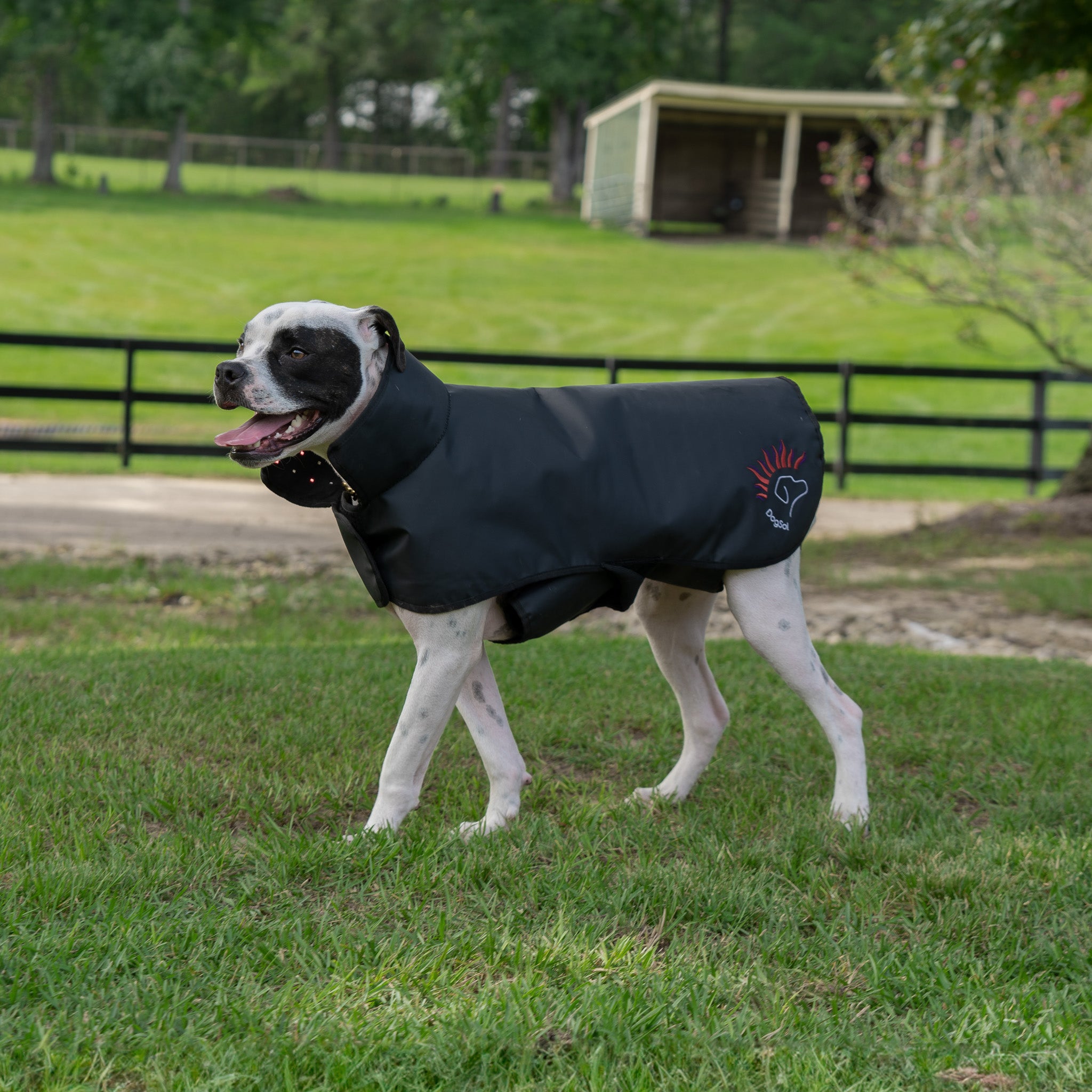
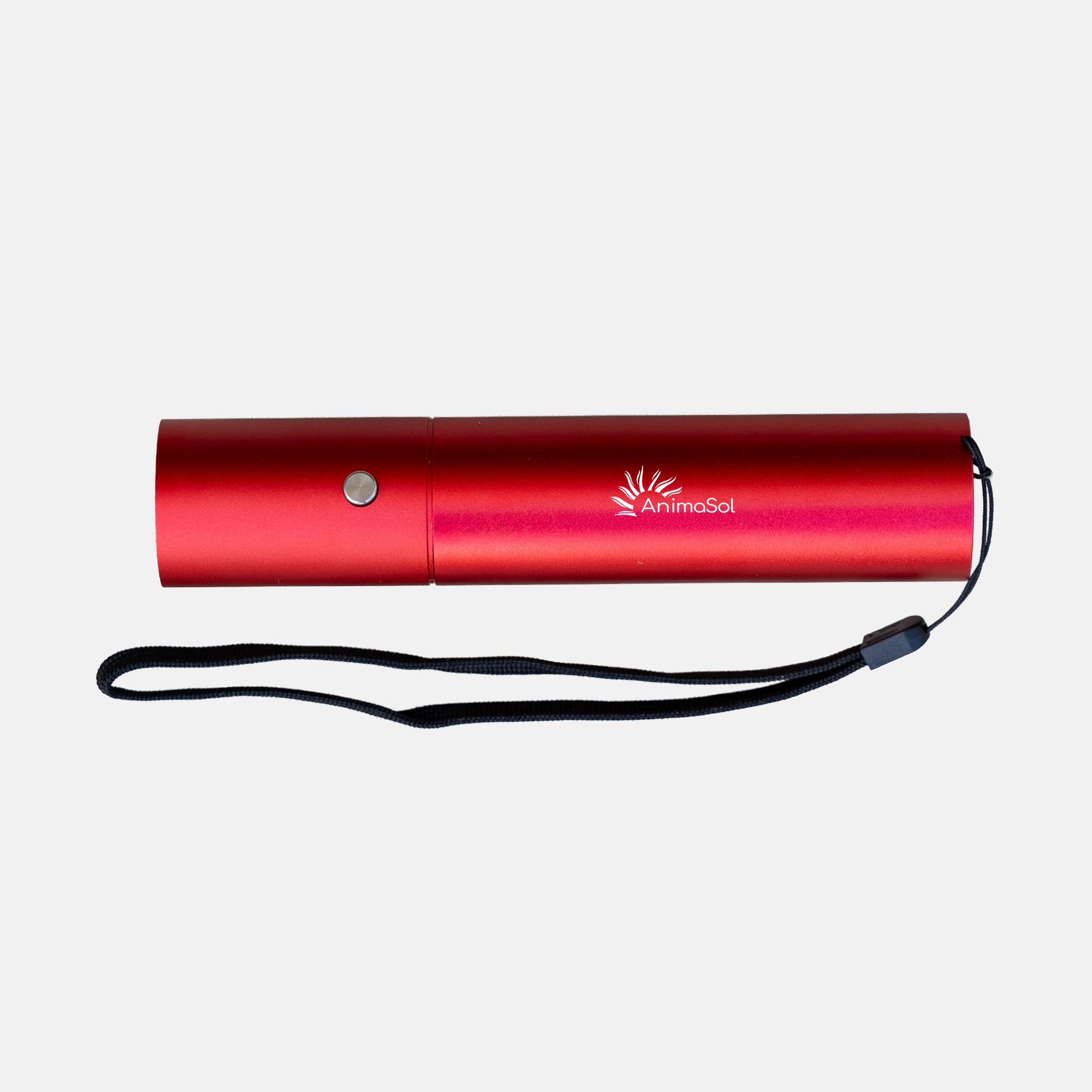
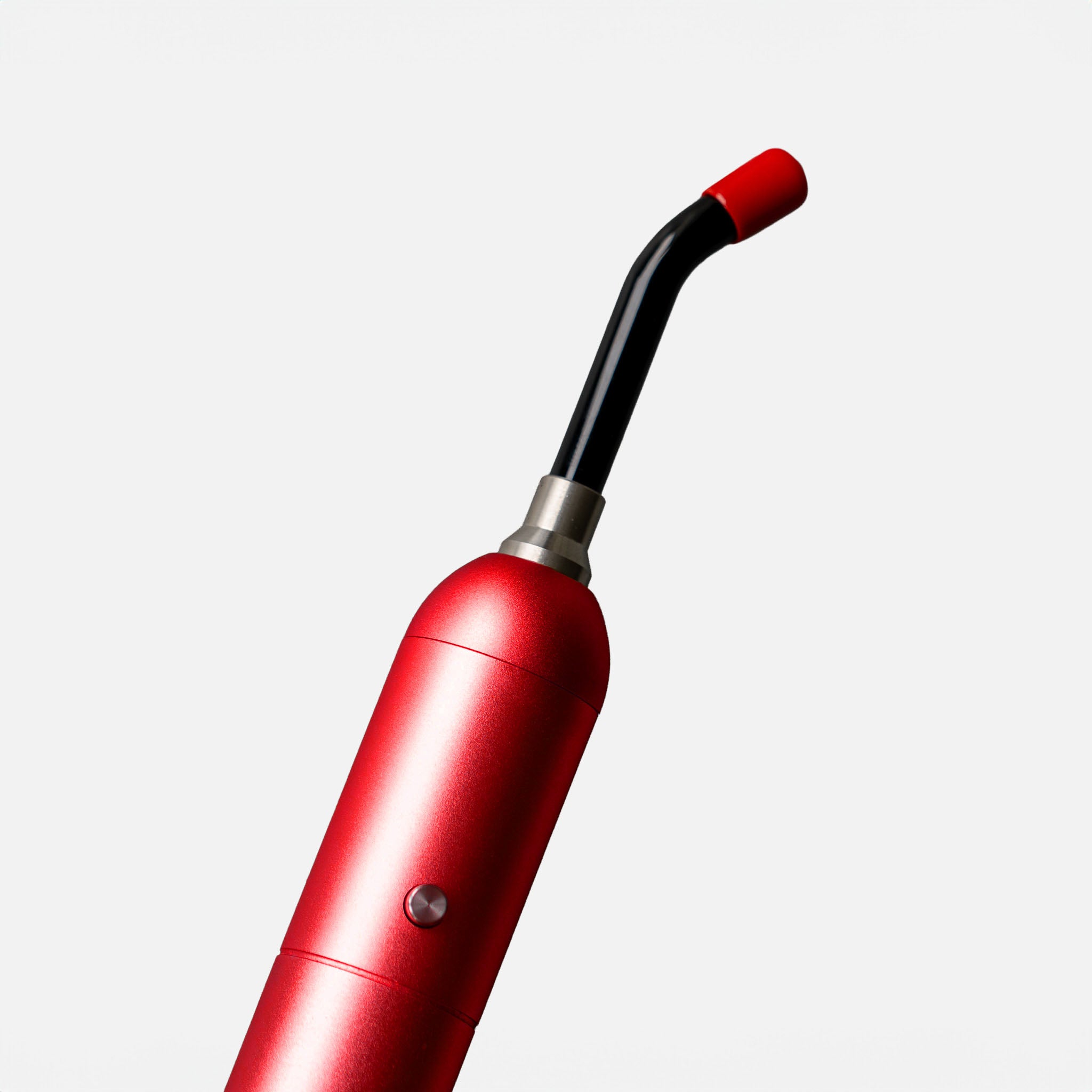
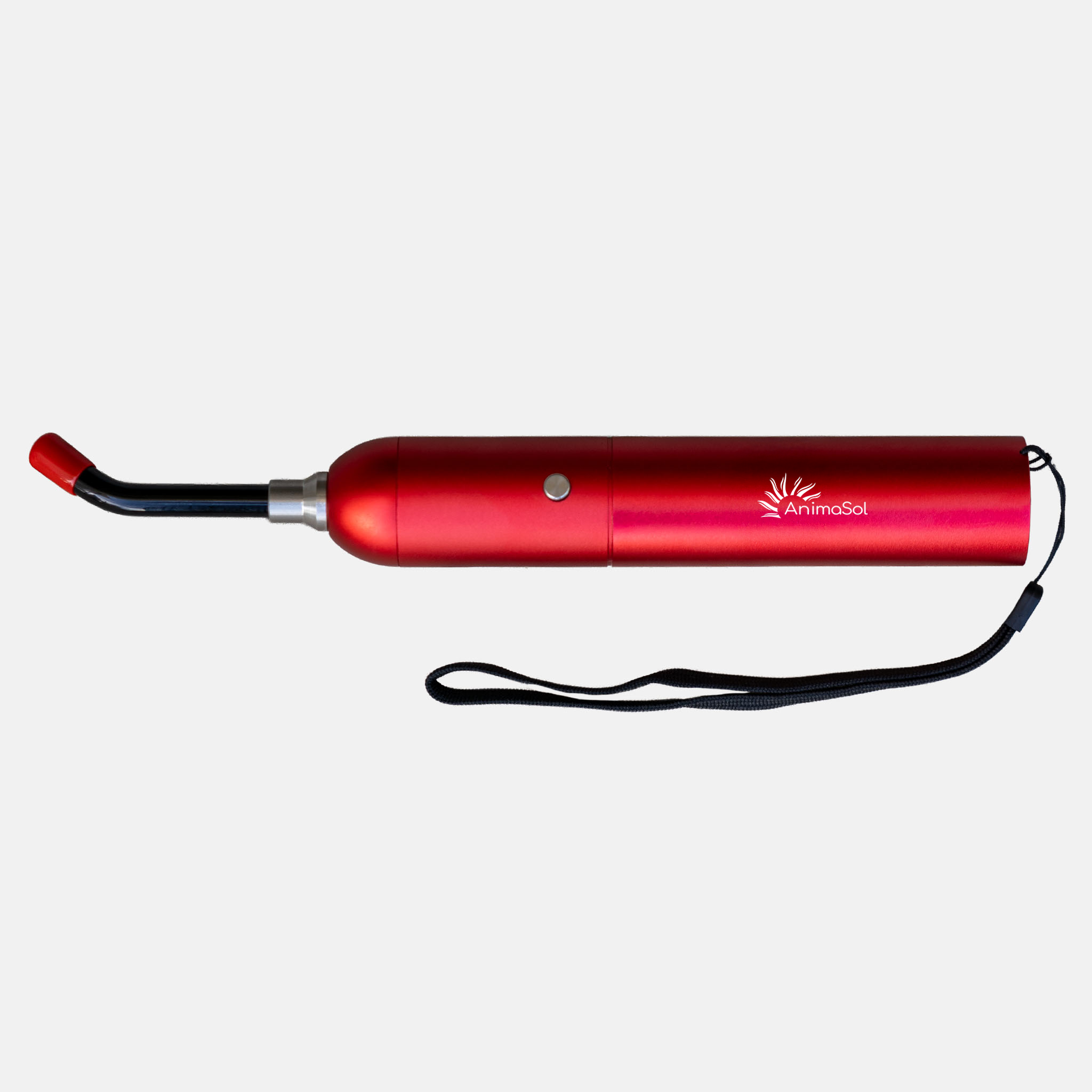
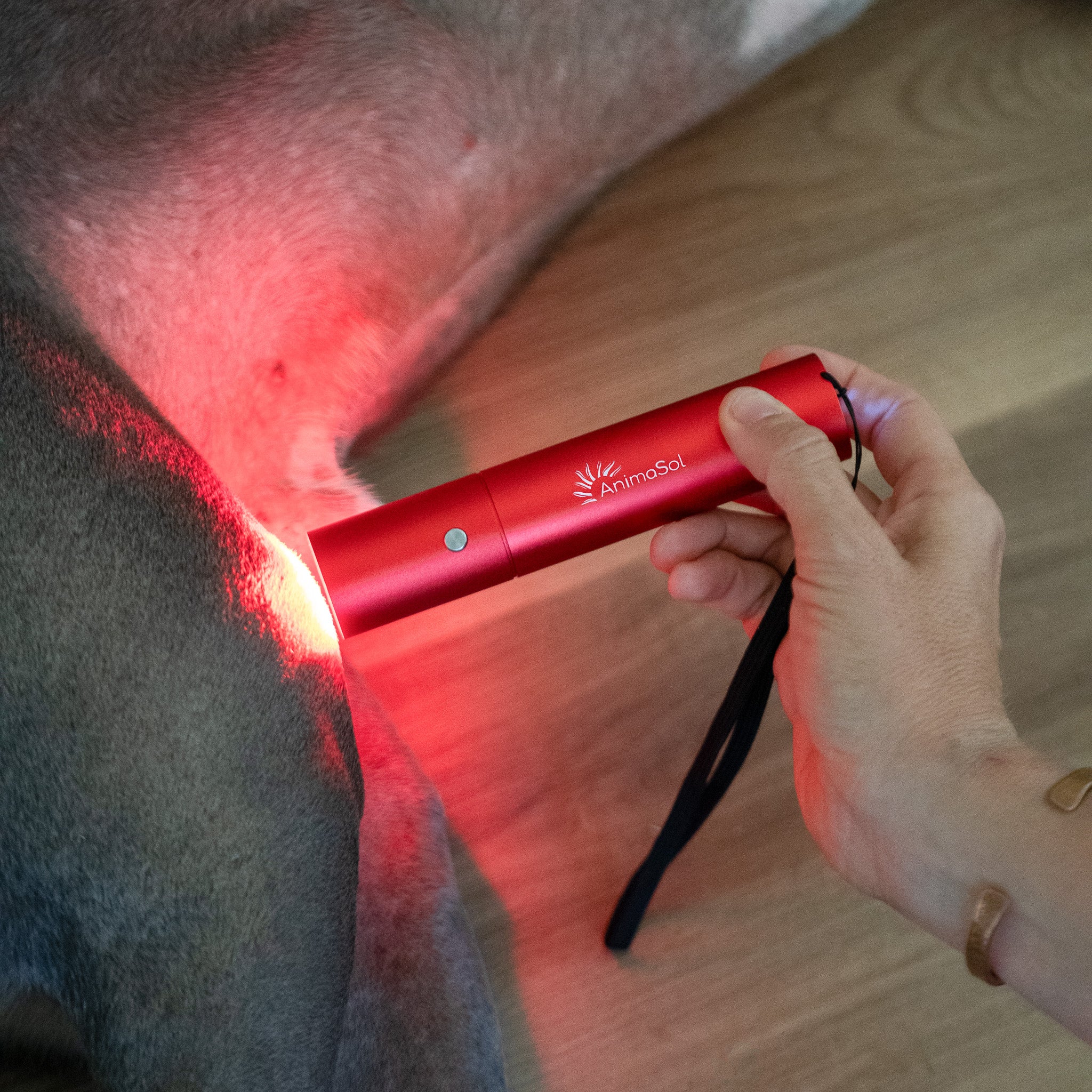
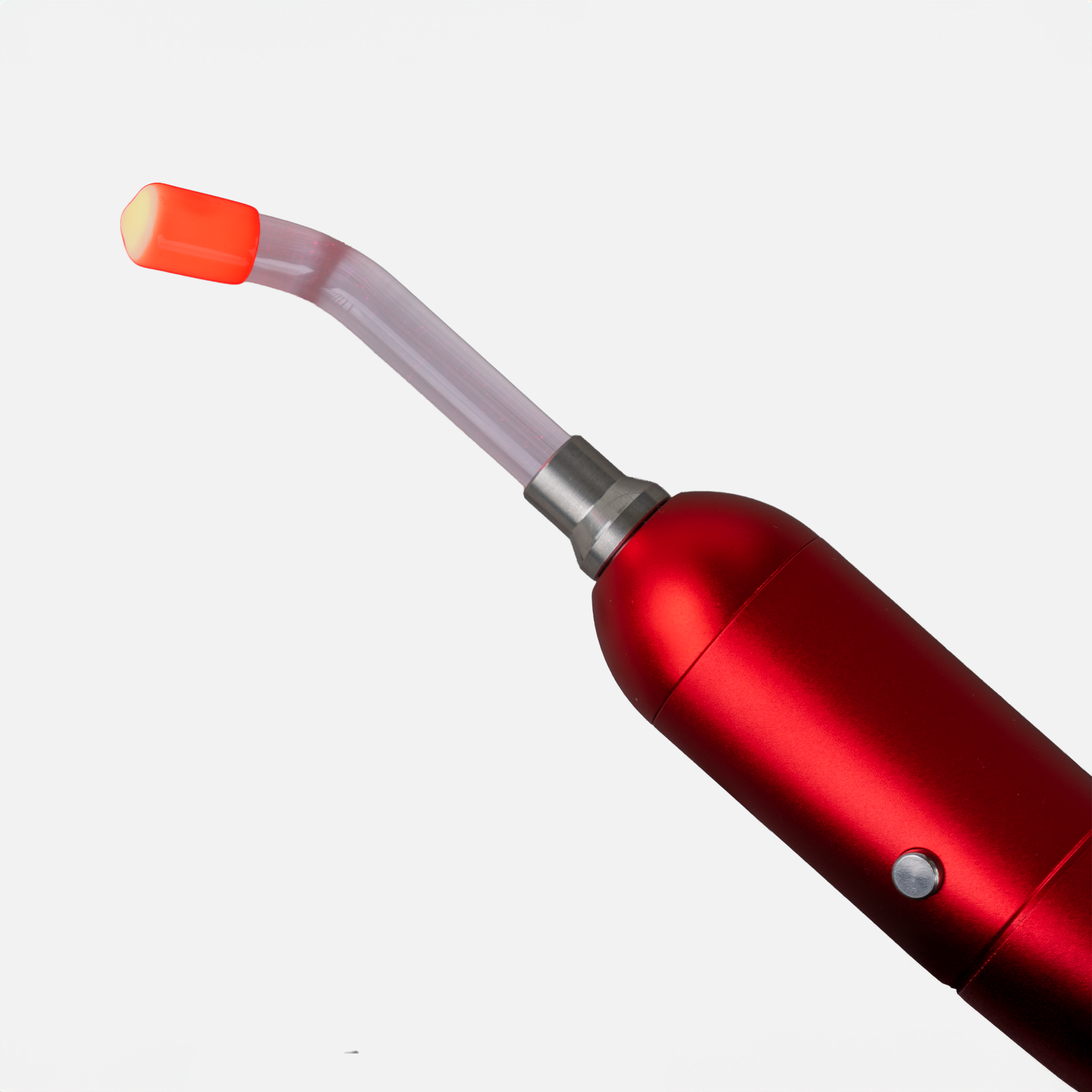
At AnimaSol, our focus is on delivering red and near-infrared light through practical, thoughtfully designed devices for everyday use.
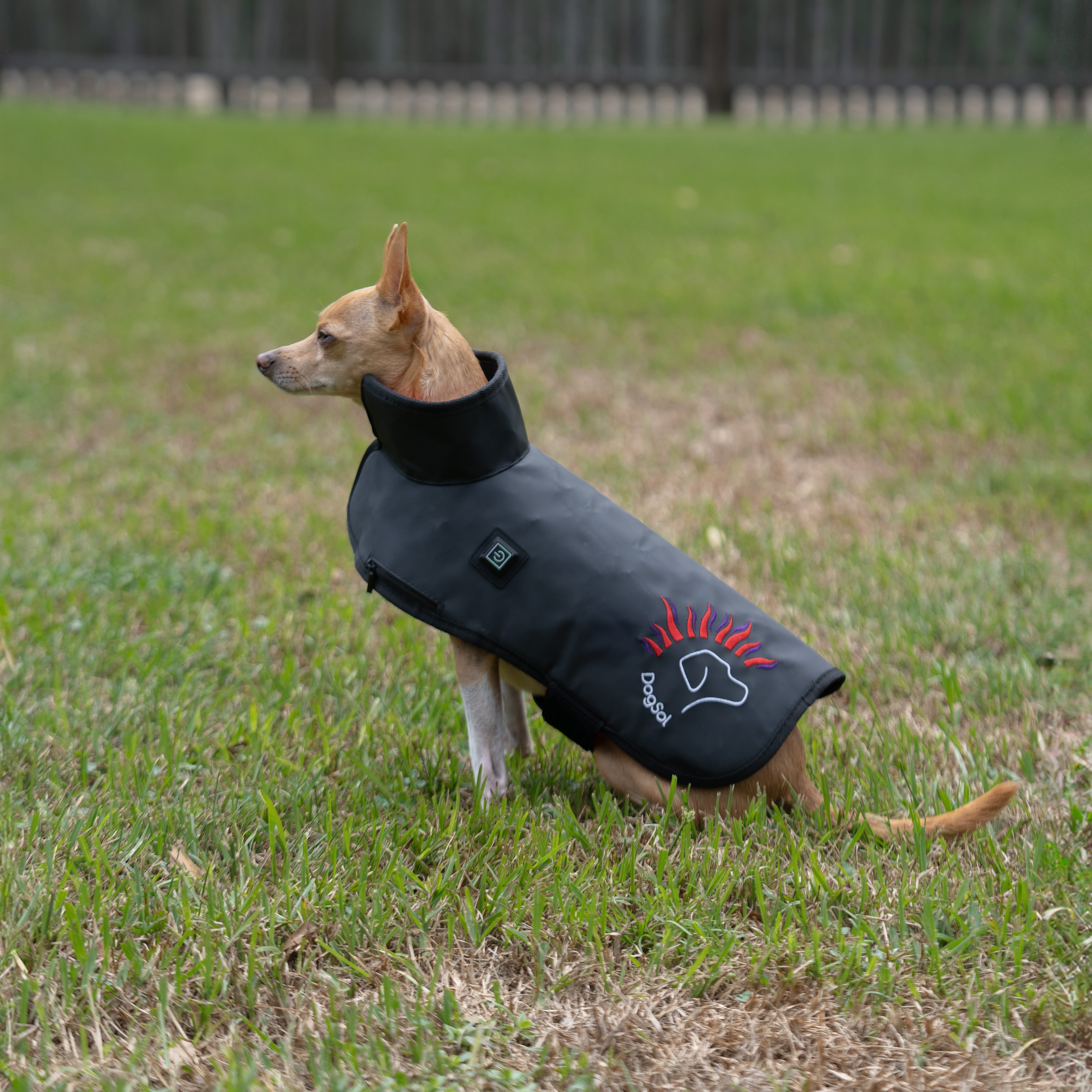
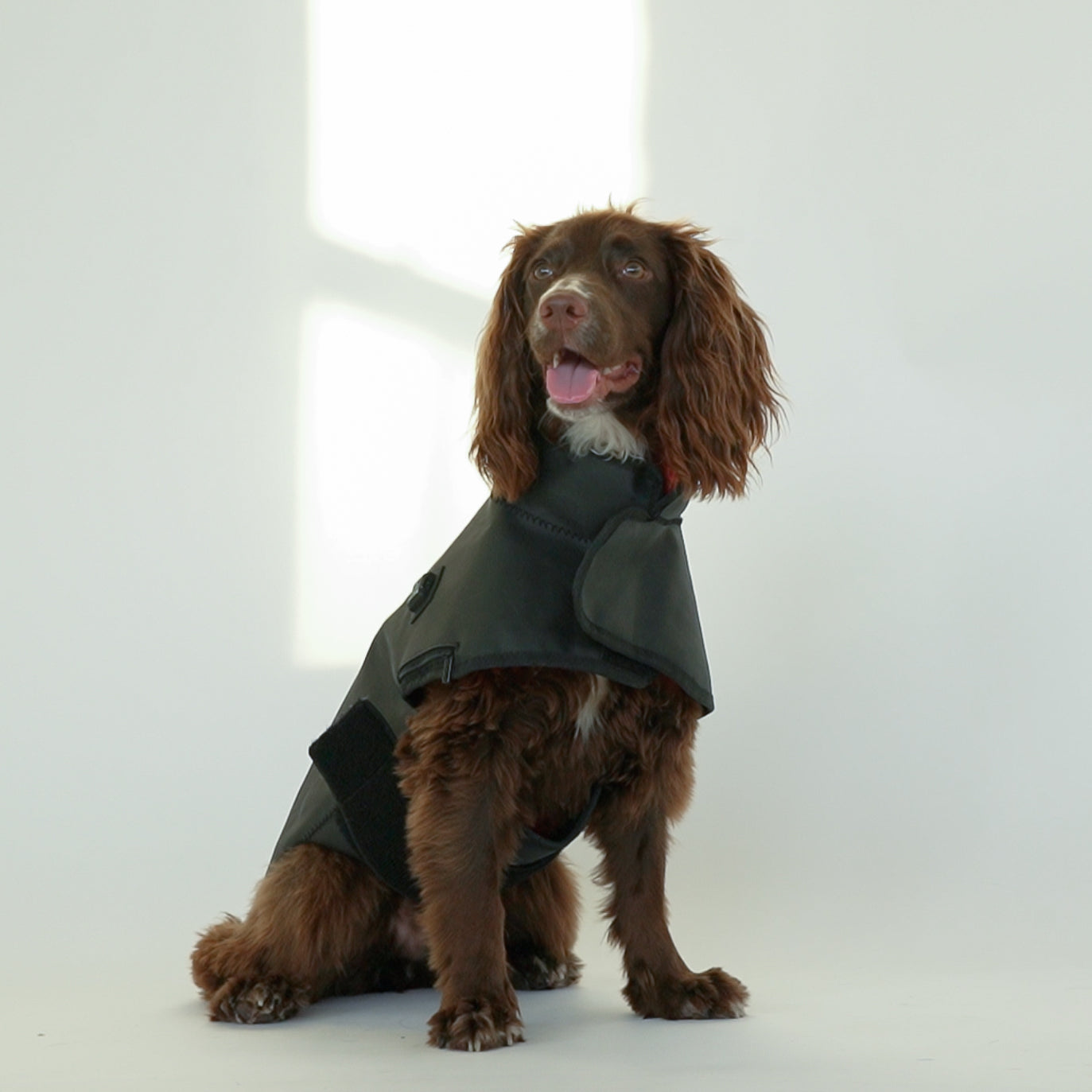
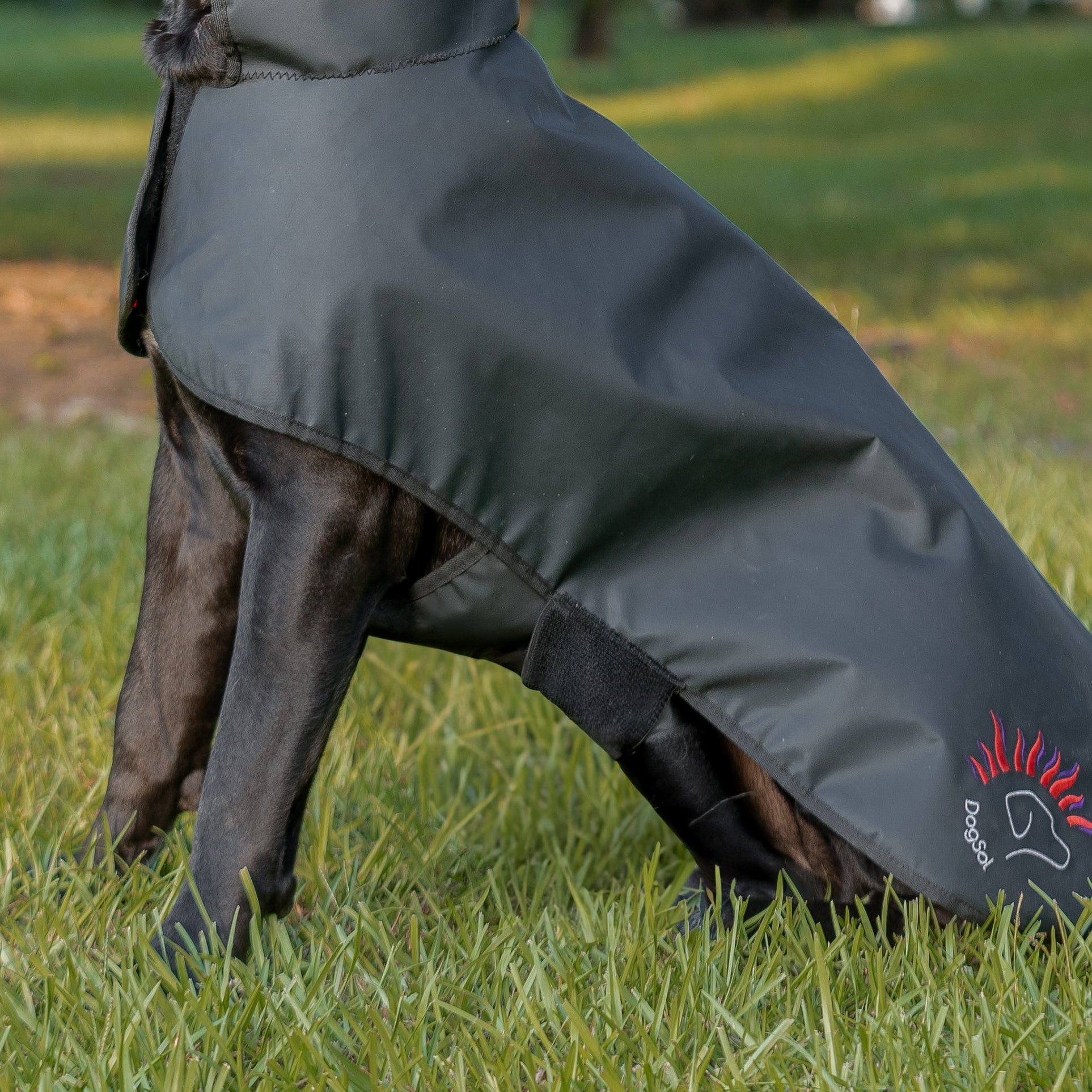
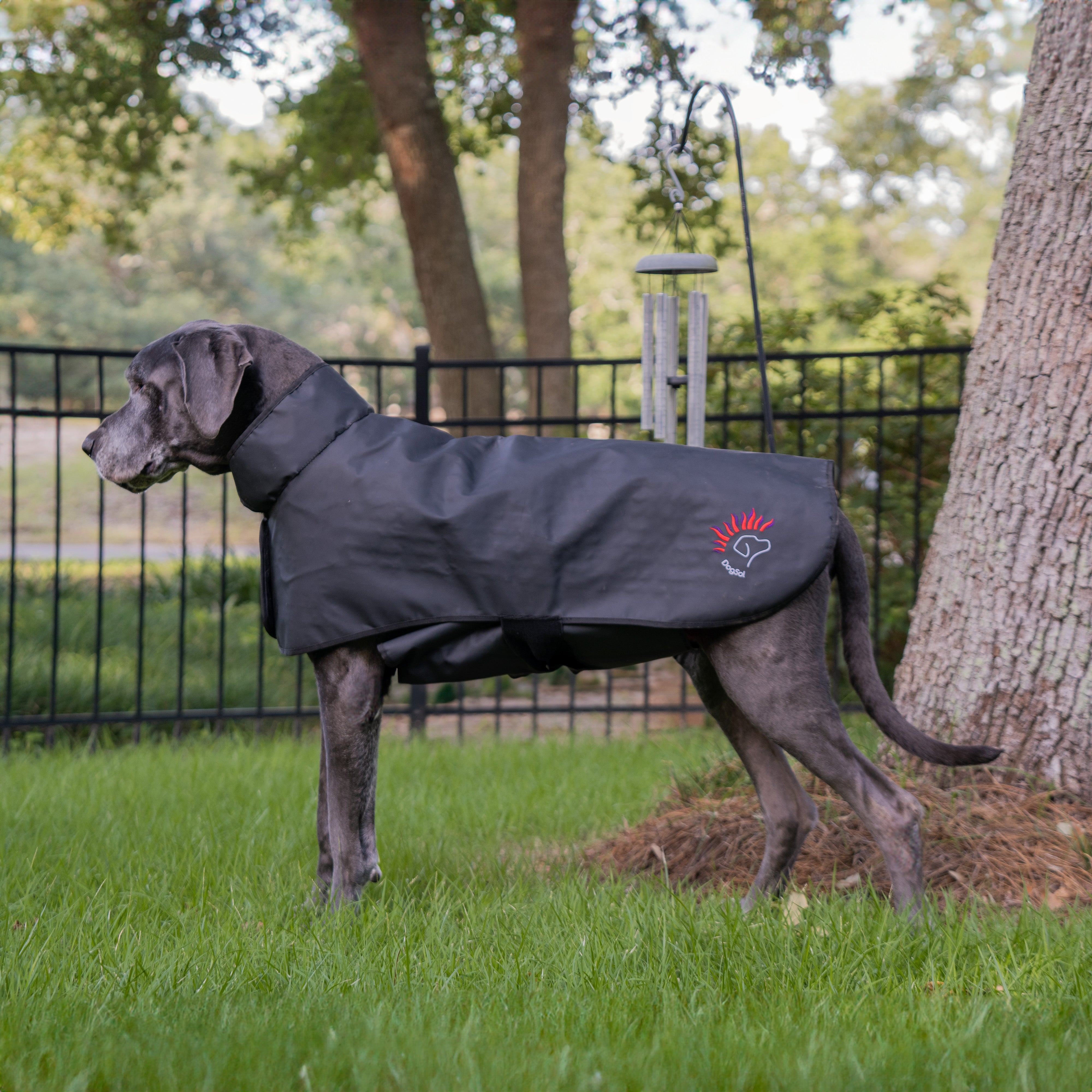
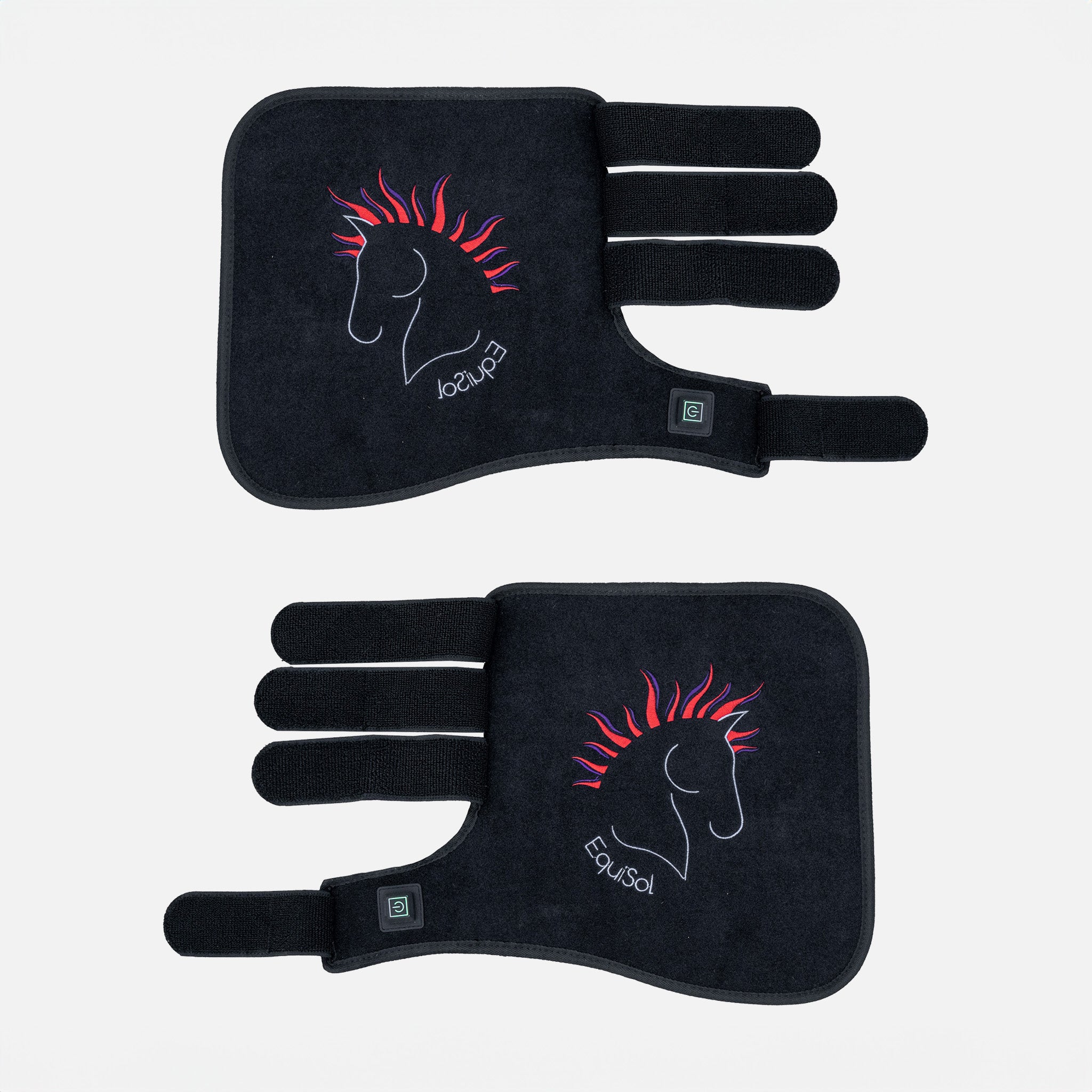
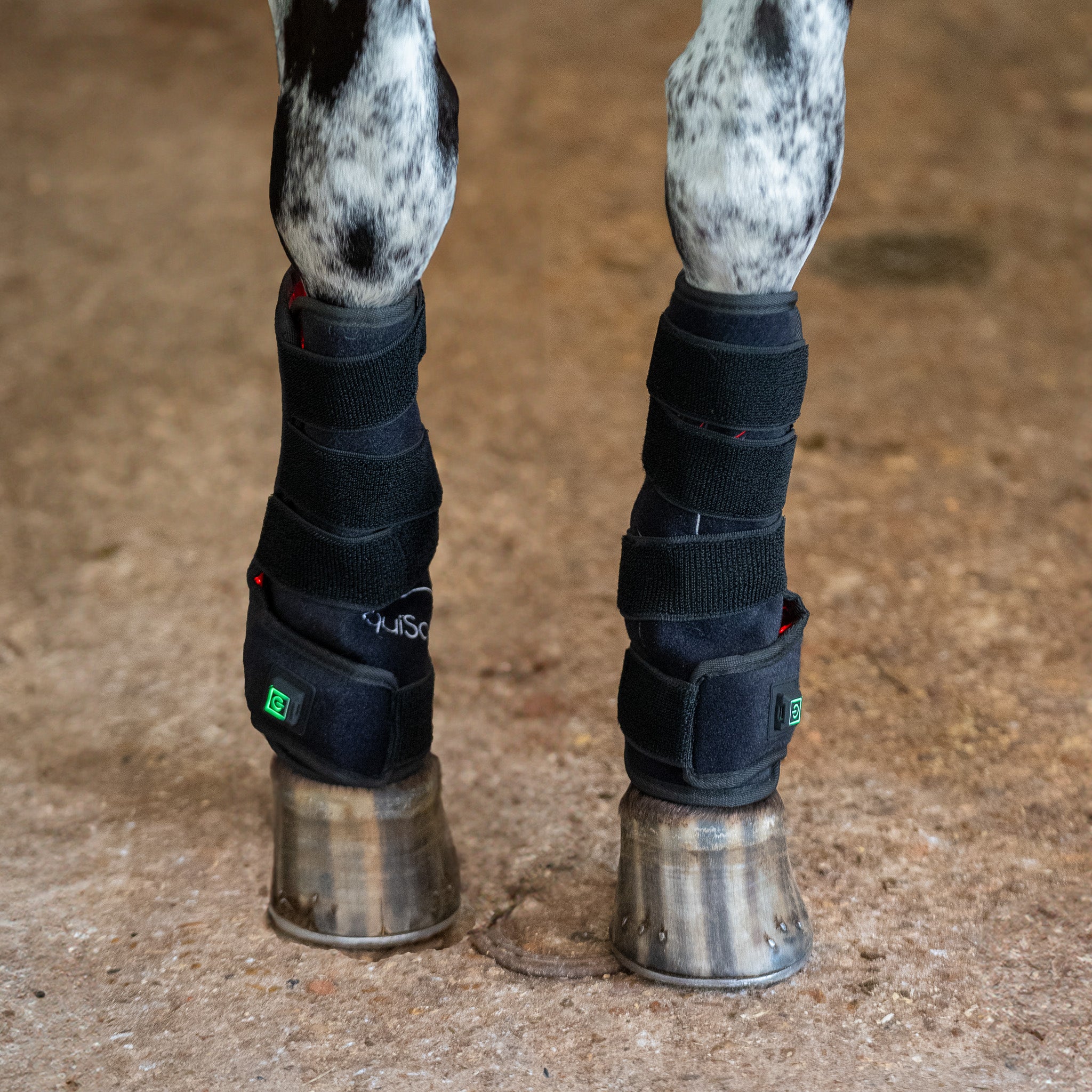
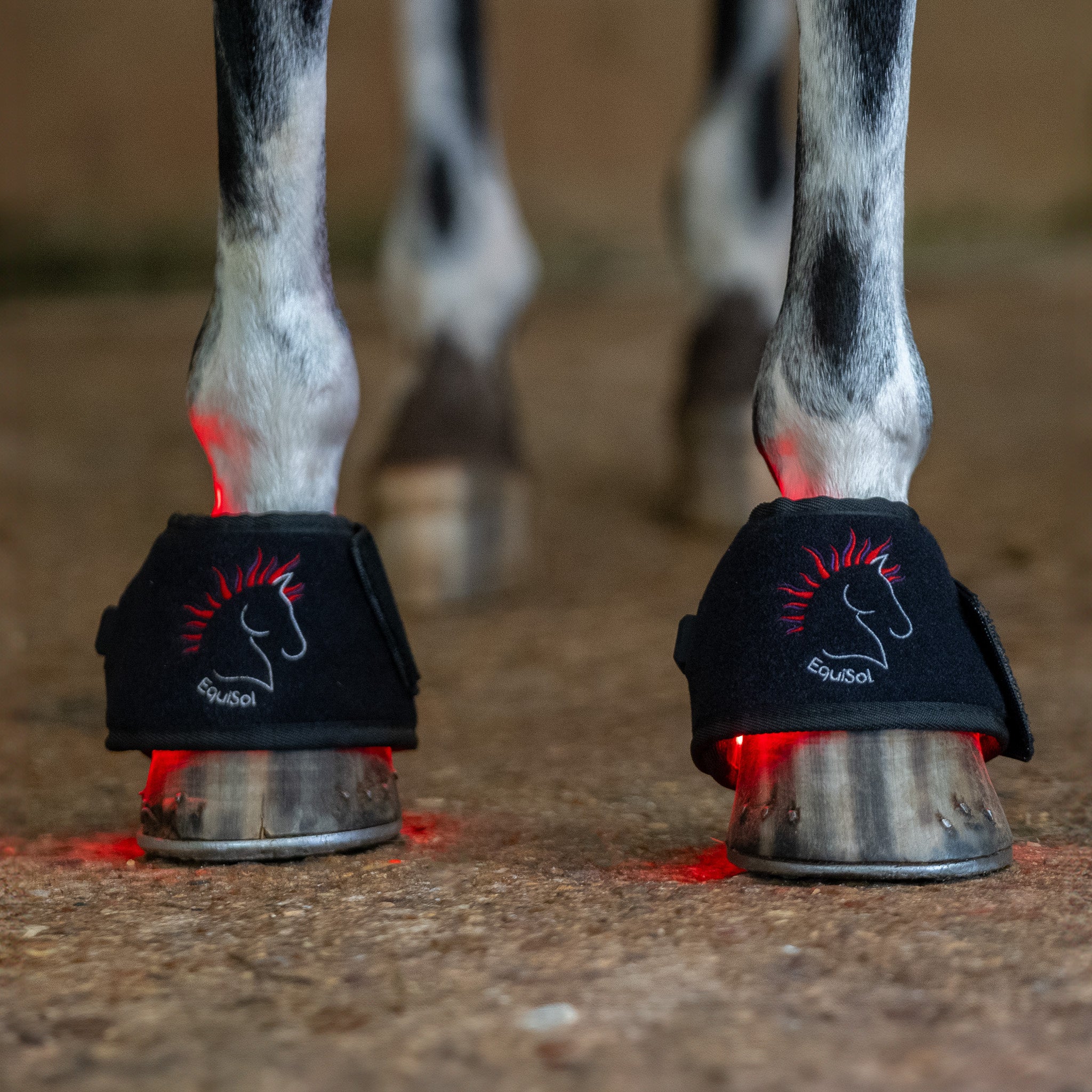
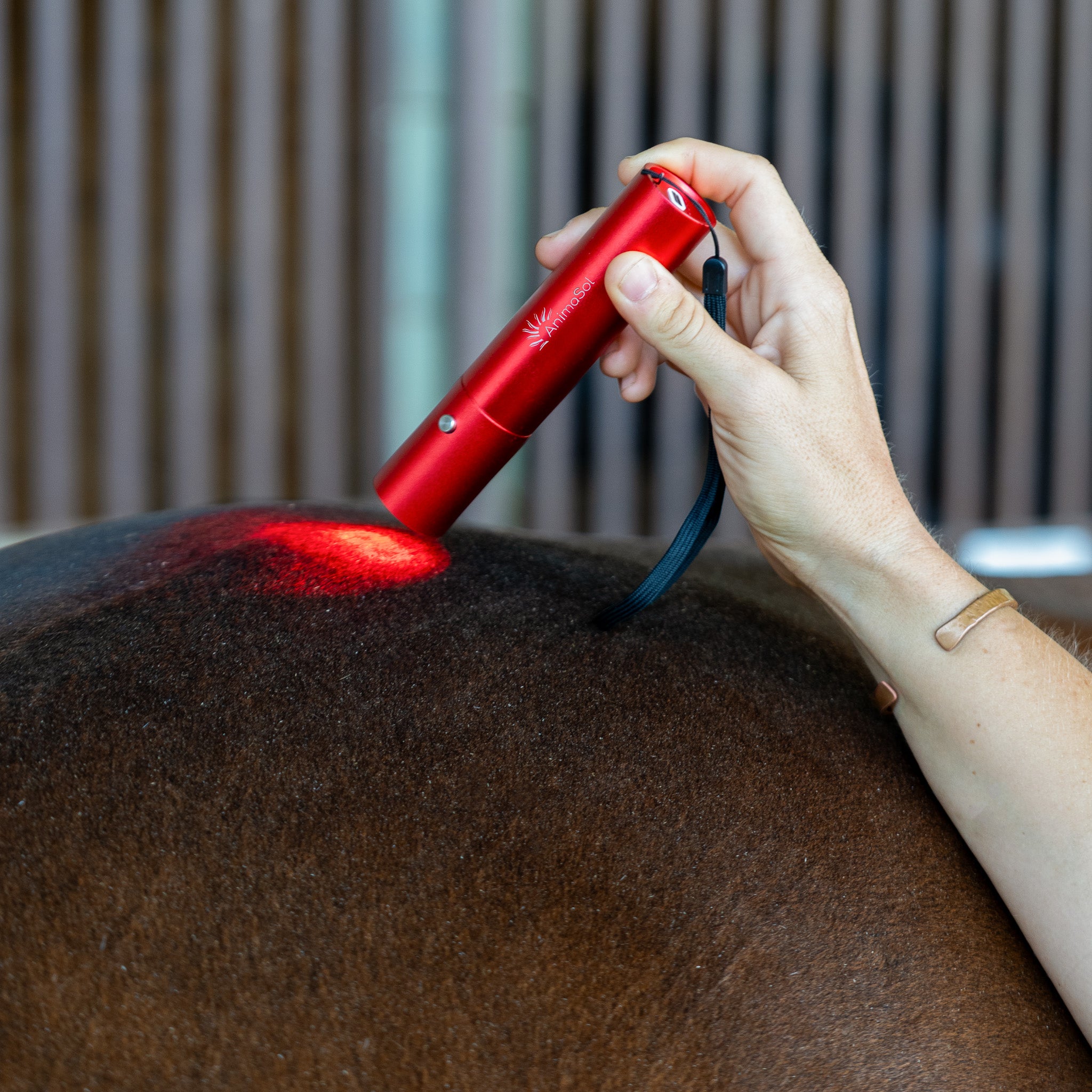
Wearable products can make it possible to deliver light across substantial treatment areas without requiring an operator to hold a focused beam over each individual spot.
One convenience of AnimaSol LED photobiomodulation is that is covers more area, particularly important when considering applications involving larger muscle groups, limbs and other broad anatomical regions. Even better, we provide a rechargeable battery so the user can be mobile.
But our conversation about light therapy should always come back to the science.
What wavelengths are delivered? What is the irradiance at the treatment surface? How is the dose calculated? What evidence supports the intended use?
These are more useful questions than assuming that a laser must be better because it is a laser.
AnimaSol's LED technology and product specifications should be evaluated on their own merits, including the evidence available for each intended application.
Let's Look Beyond the Label
Laser technology played a foundational role in photobiomodulation research, and lasers remain valuable tools in clinical practice. But the evidence does not justify assuming that every laser is superior to every LED device. Also of note, most lasers that work well very often are not safe for home use, cost a lot of money, and require medical training to yield appropriately.
The equine penetration study by Luna and colleagues is a compelling example: the tested photobiomodulation device demonstrated greater measured light penetration than the tested Class IV laser in both light and dark horse skin.
That finding does not settle every question about laser versus LED therapy. It does, however, reinforce a crucial principle.
The technology label is not a substitute for evidence.
Wavelength, dose, irradiance, tissue characteristics, treatment area and clinical outcomes all matter when evaluating photobiomodulation.
At AnimaSol, we believe customers deserve a more informed conversation about light therapy—one grounded in measurable parameters and scientific evidence, not marketing assumptions.
Explore the Research
Luna SP, Schoen A, Trindade PHE, da Rocha PB. Penetration Profiles of a Class IV Therapeutic Laser and a Photobiomodulation Therapy Device in Equine Skin. Journal of Equine Veterinary Science. Published online December 4, 2019.
Read the study on ScienceDirect
Heiskanen V, Hamblin MR. Photobiomodulation: Lasers vs Light Emitting Diodes? Photochemical & Photobiological Sciences. 2018;17:1003–1017.
Educational disclaimer: This article discusses scientific research and is not a substitute for veterinary or medical advice. Device selection and treatment protocols should be determined according to the intended application and appropriate professional guidance.