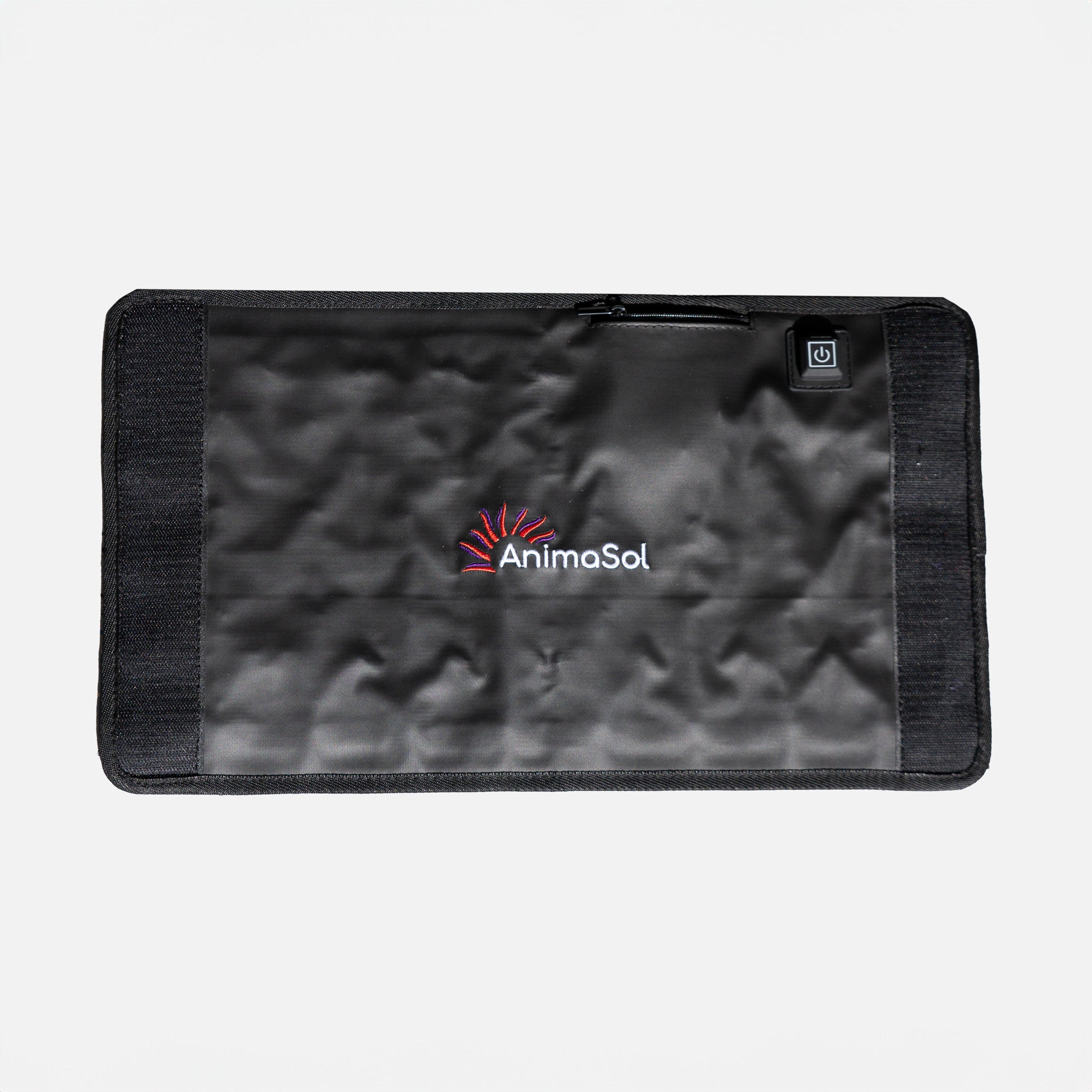
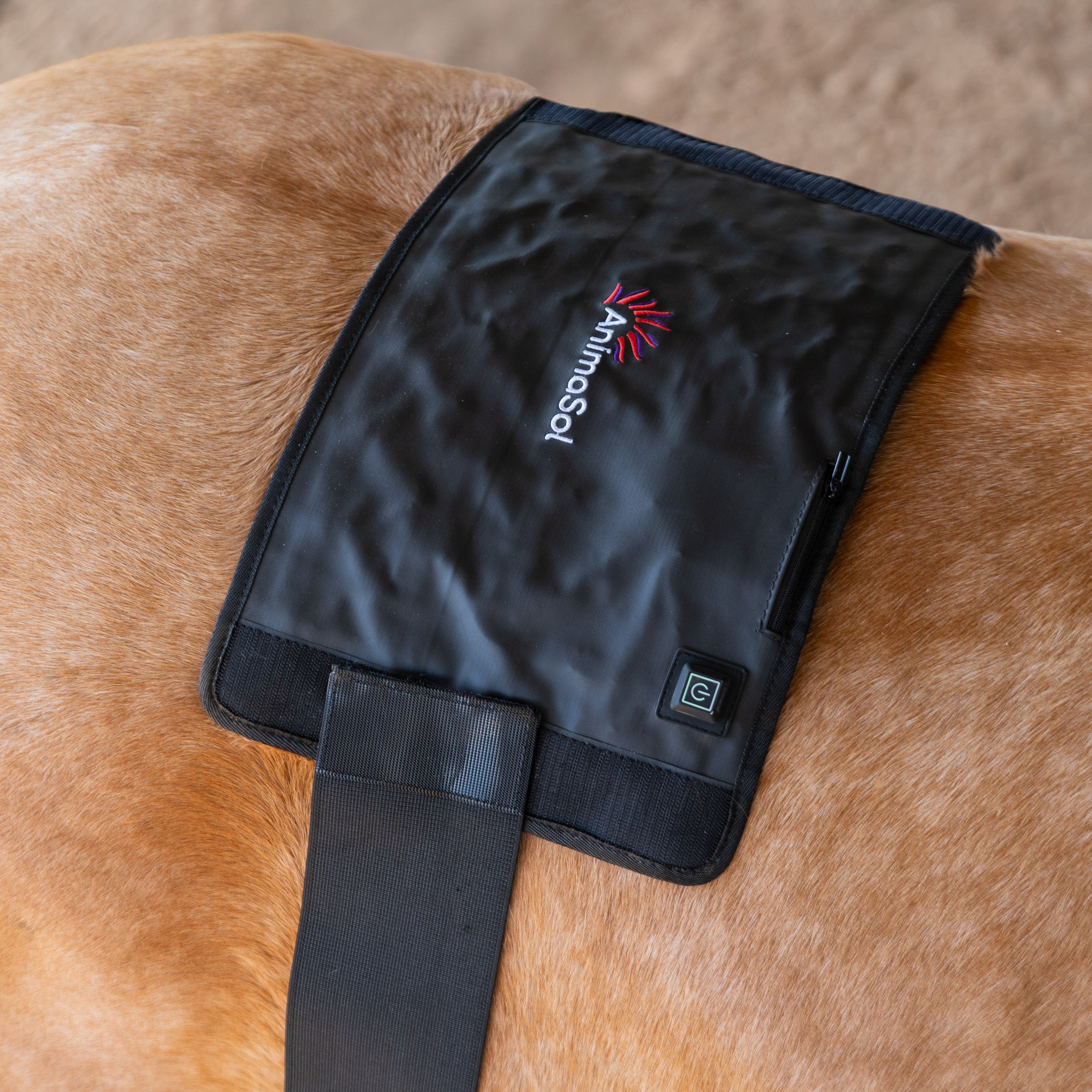
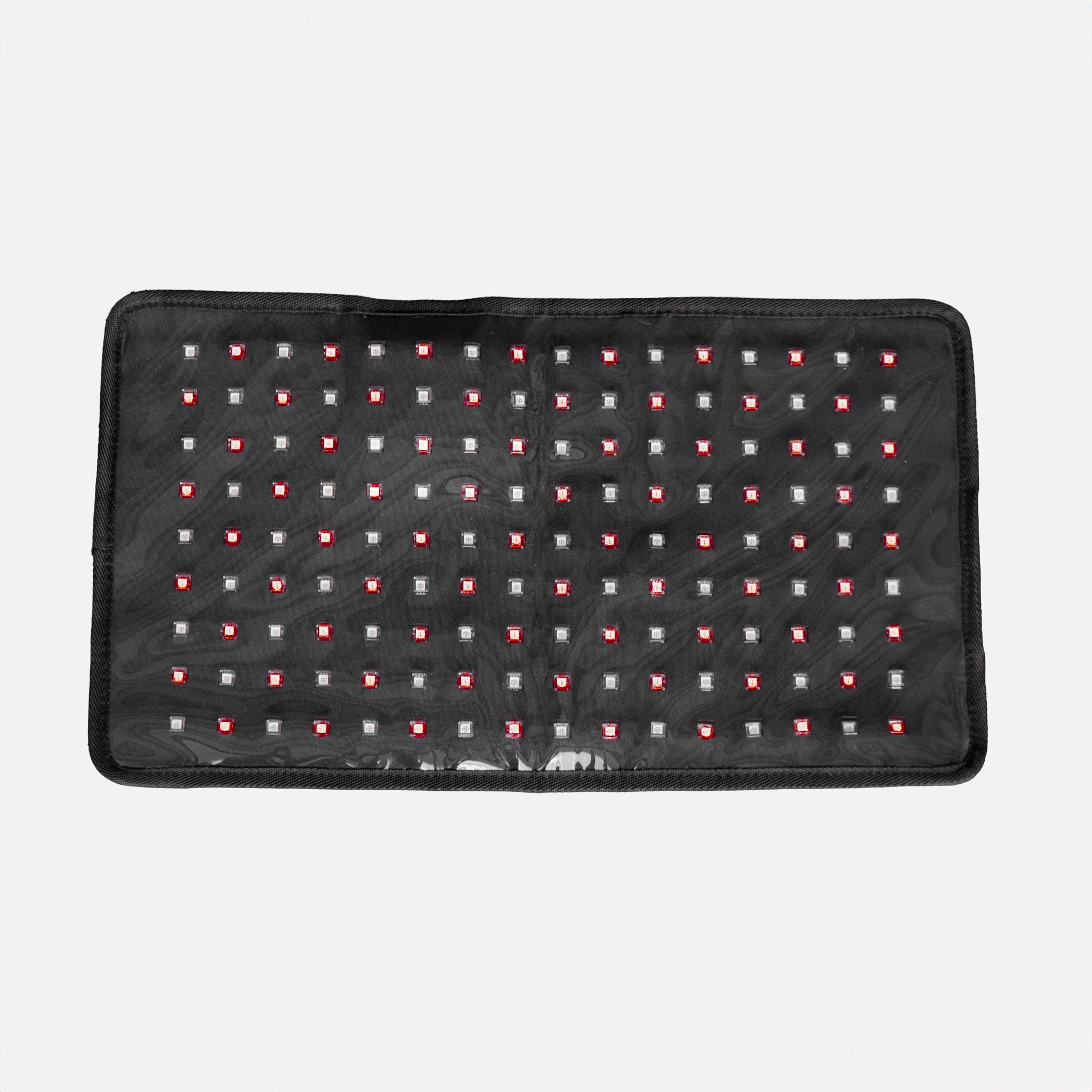
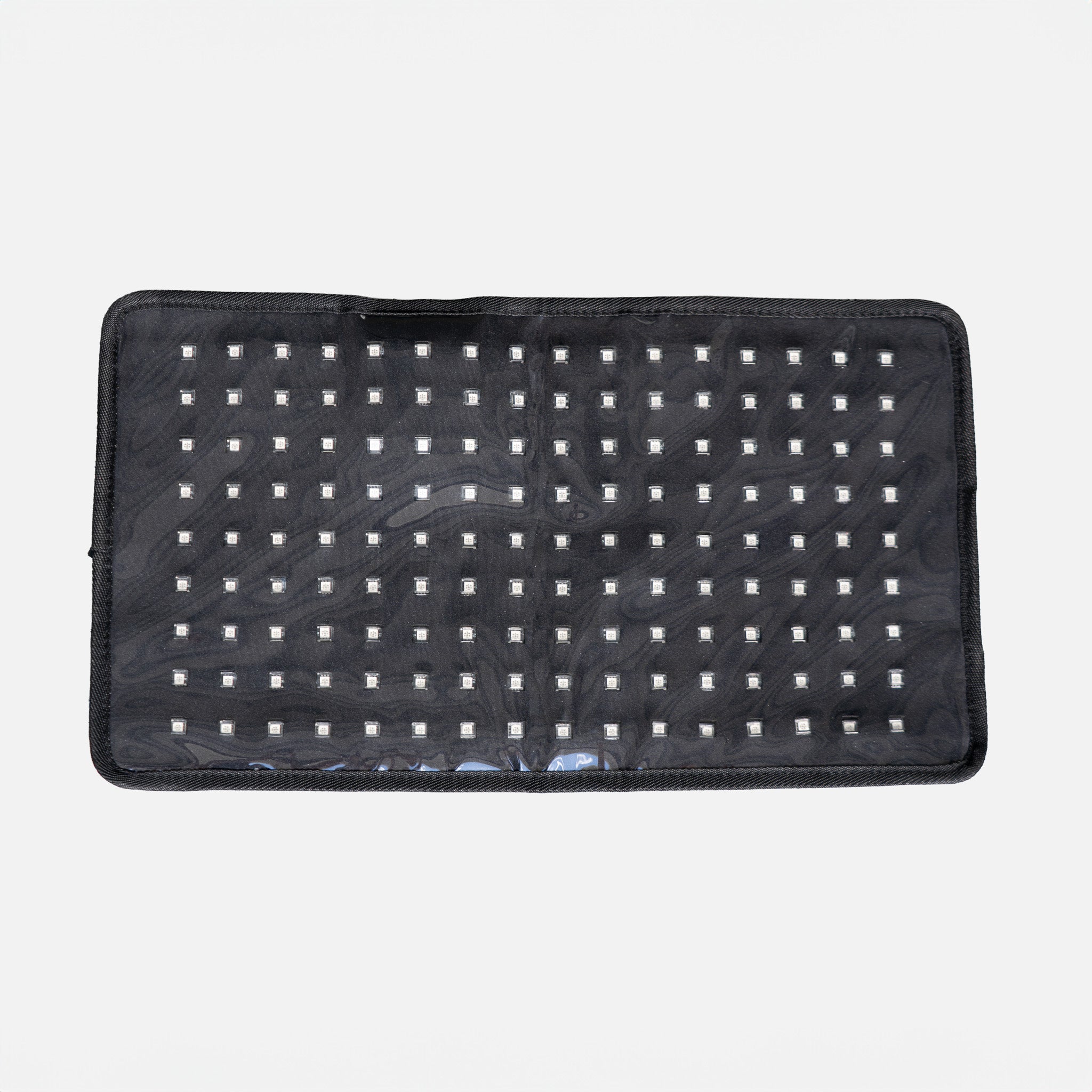
Advancing Red Light Therapy for Horses, Dogs, and Cats | Big News from Inside the Glow ✨
AnimaSol™ is proud to welcome Dr. Ronald J. Riegel, DVM as our Veterinary Medical Director and medical photobiomodulation expert.
This isn’t just a team addition.
It’s a defining moment for how we bring science-backed red light therapy to animals.
Because Dr. Ron isn’t simply experienced—he’s one of the professionals who helped build the foundation of light therapy in veterinary medicine.
Who Is Dr. Ronald J. Riegel?

Dr. Ron’s career spans more than four decades across clinical practice, research, education, and global leadership in veterinary laser therapy.
Key Credentials
-
Doctor of Veterinary Medicine — University of Illinois (1979)
-
Former faculty — The Ohio State University
-
Fellow — American Society of Lasers in Medicine and Surgery
-
Board Member — Photobiomodulation community
-
Chairman of Veterinary Education — American Academy of Thermology
Real-World Experience
-
Owned and operated a multi-doctor veterinary practice for nearly 30 years
-
Led and consulted for multiple laser therapy and imaging companies
-
Co-founder of the American Institute of Medical Laser Applications
-
Delivered 275+ lectures worldwide on photobiomodulation and infrared imaging
Published Authority
-
Author of 6 books and multiple veterinary textbooks
-
Co-editor of Laser Therapy in Veterinary Medicine: Photobiomodulation
-
Published peer-reviewed research in laser therapy and thermal imaging
-
Contributor to equine, canine, and feline medical literature
This is not surface-level involvement.
This is decades of hands-on clinical application + scientific contribution.
What Is Photobiomodulation (Red Light Therapy for Animals)?


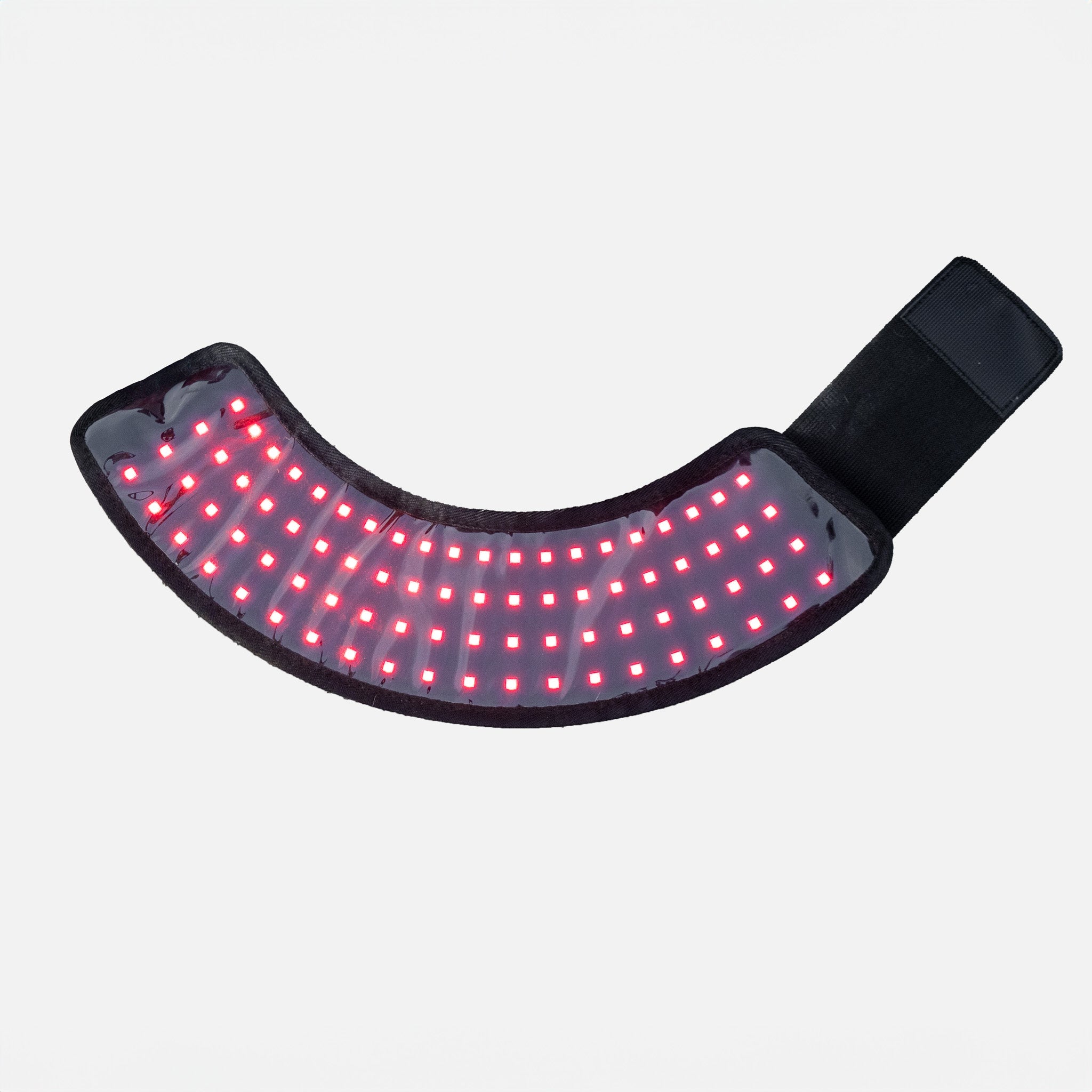
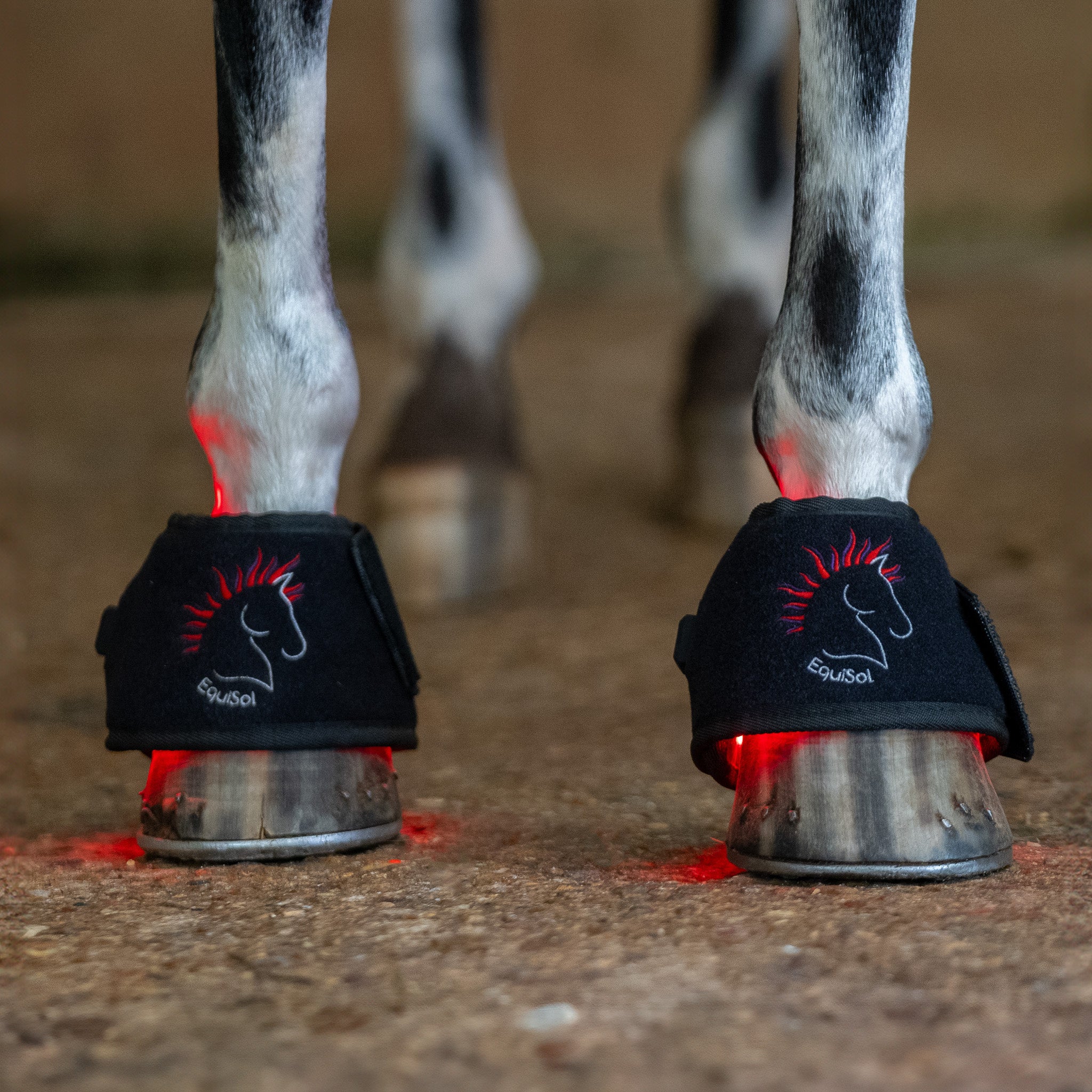
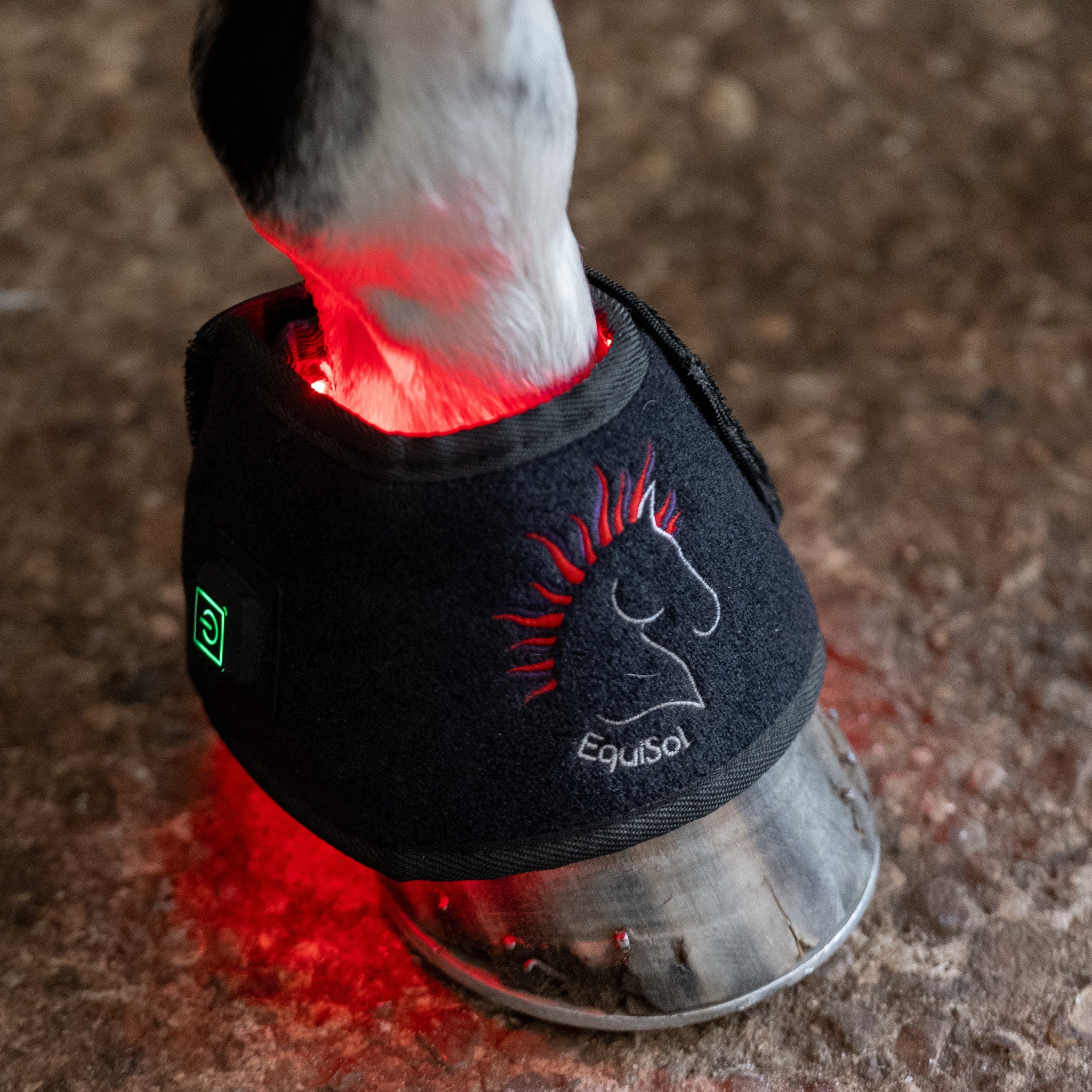
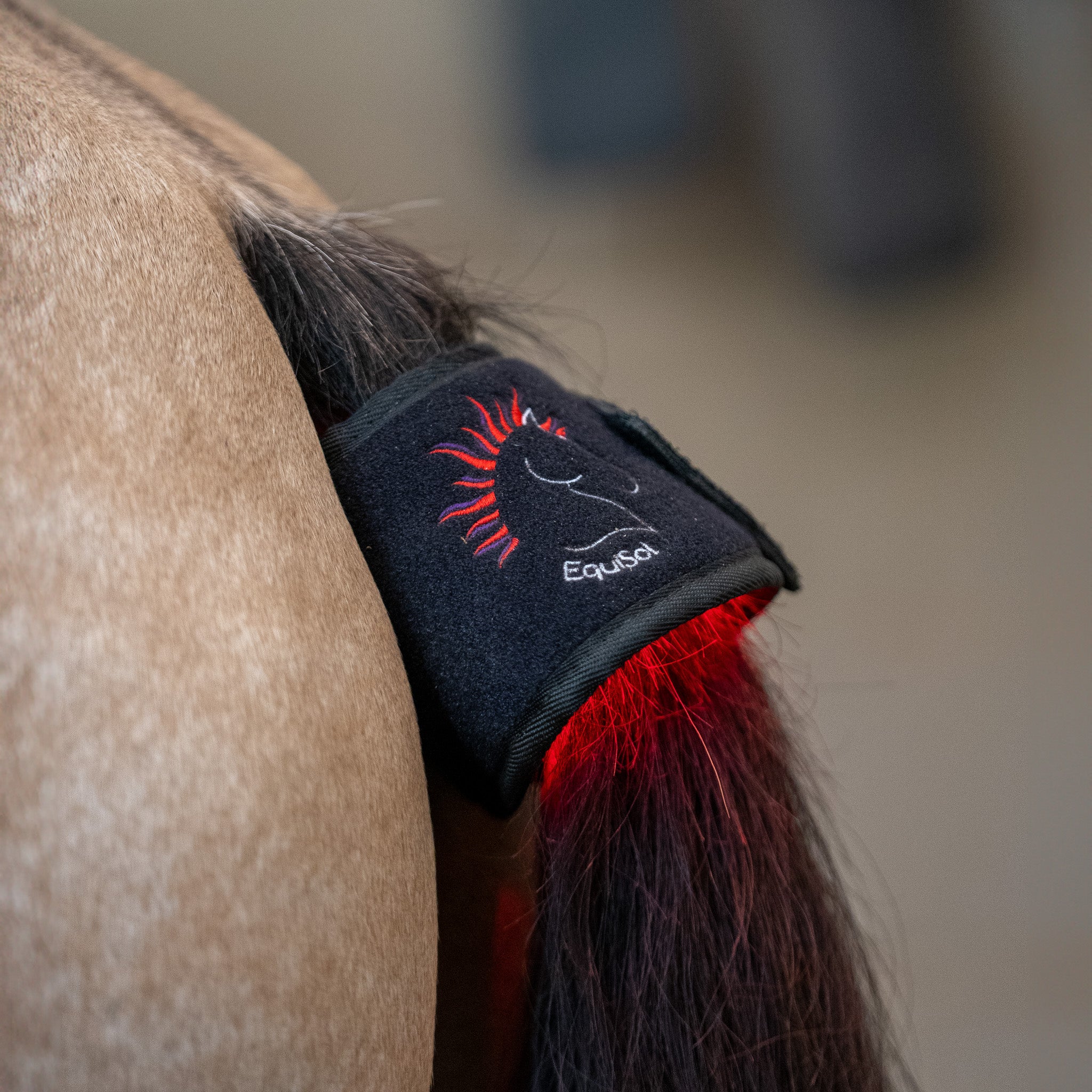
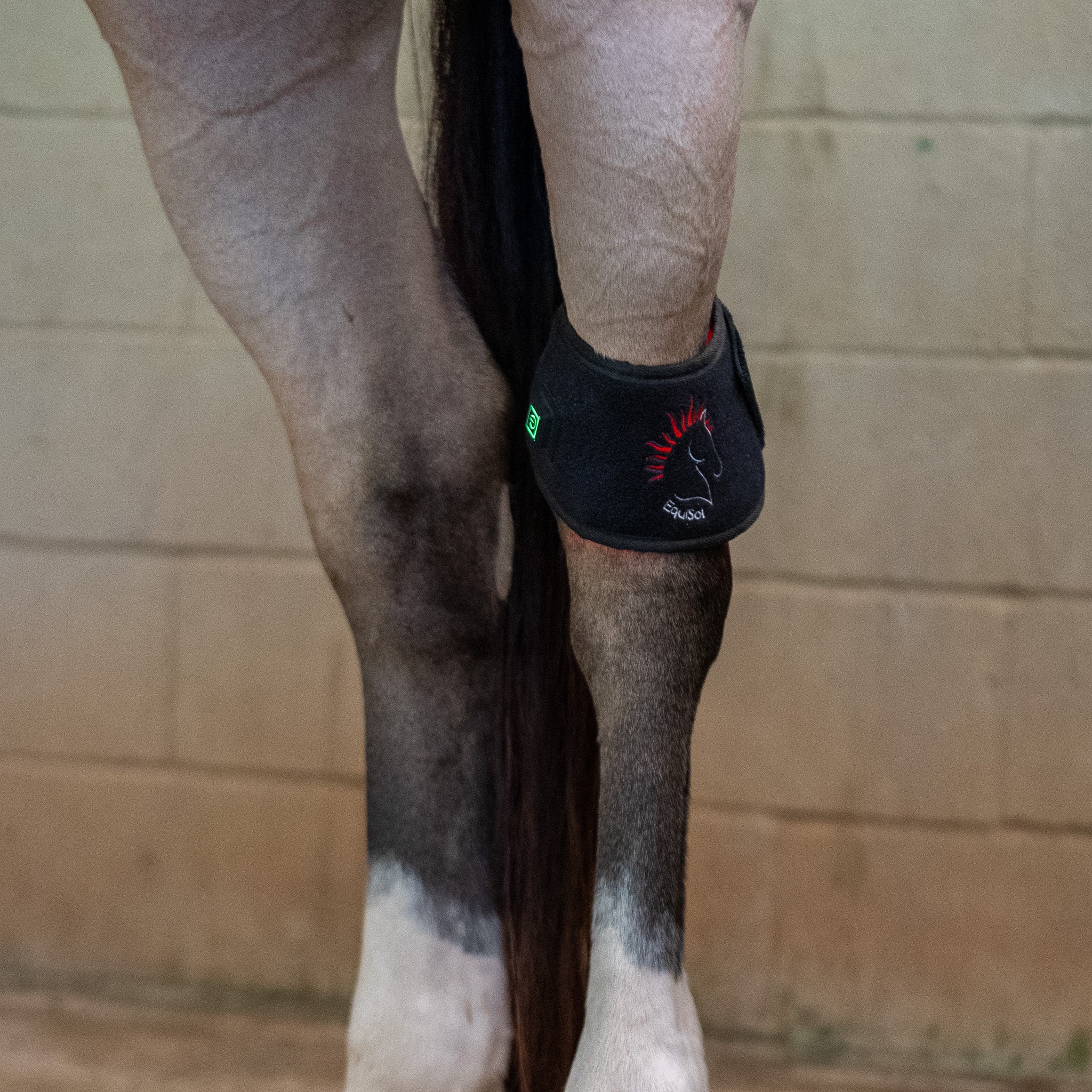
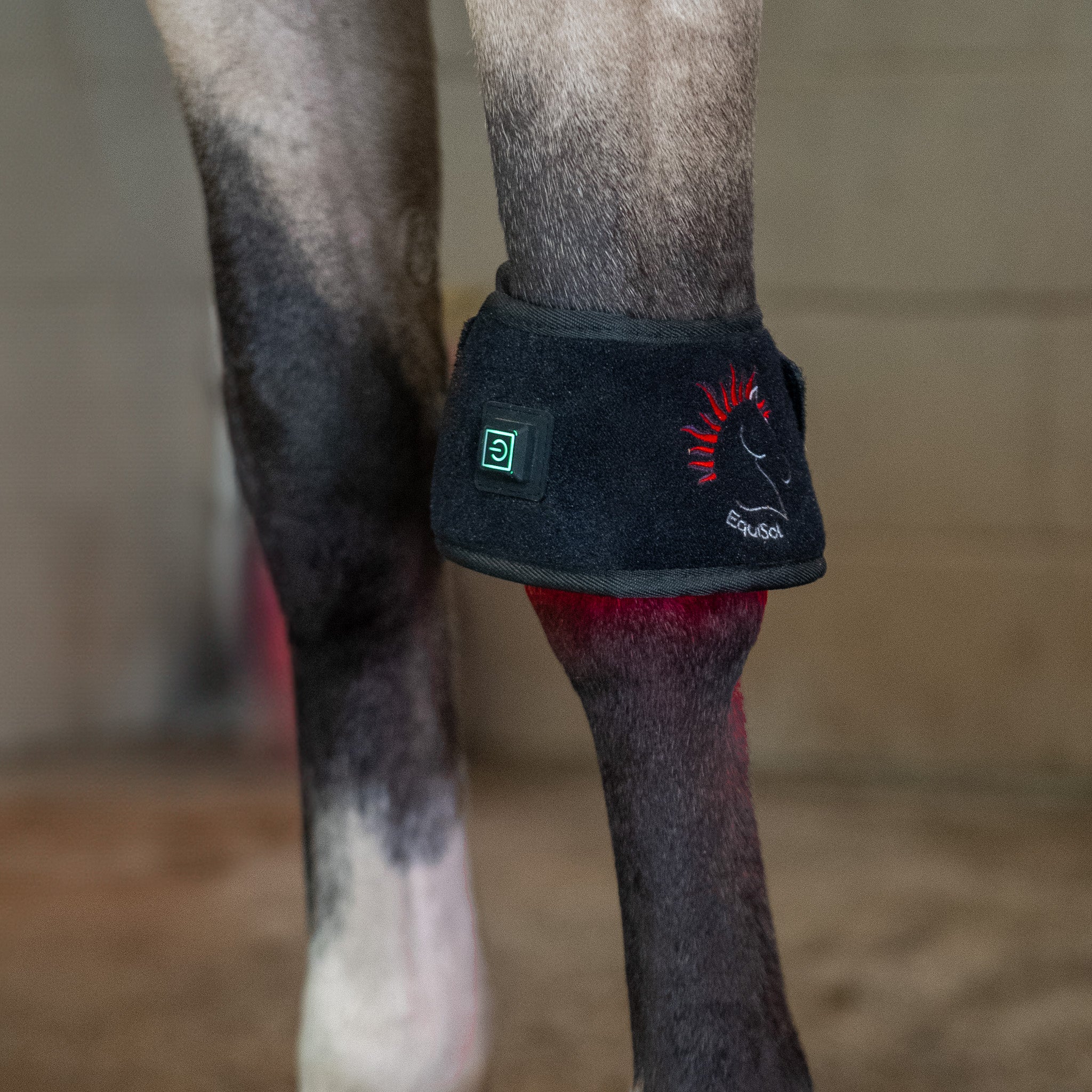
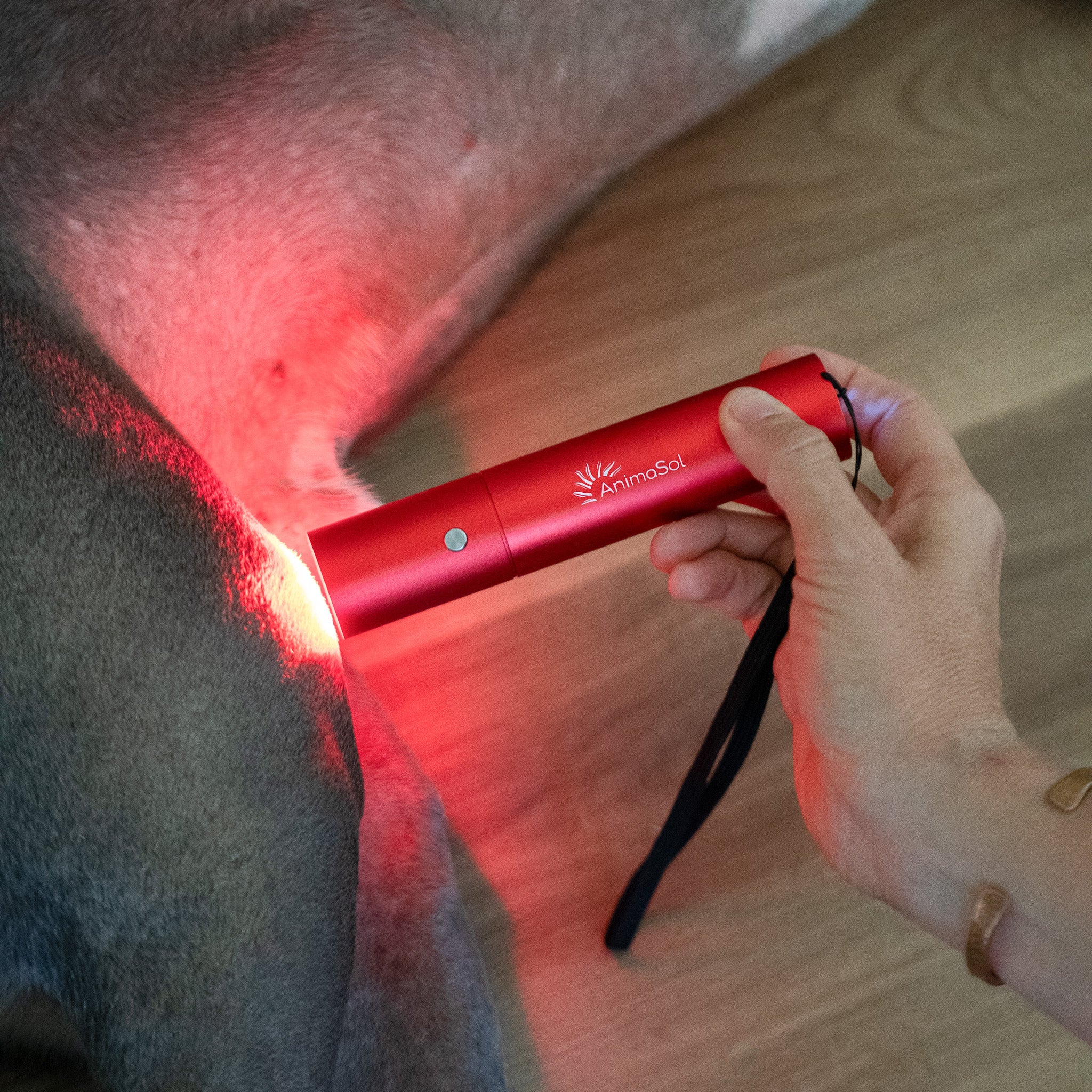
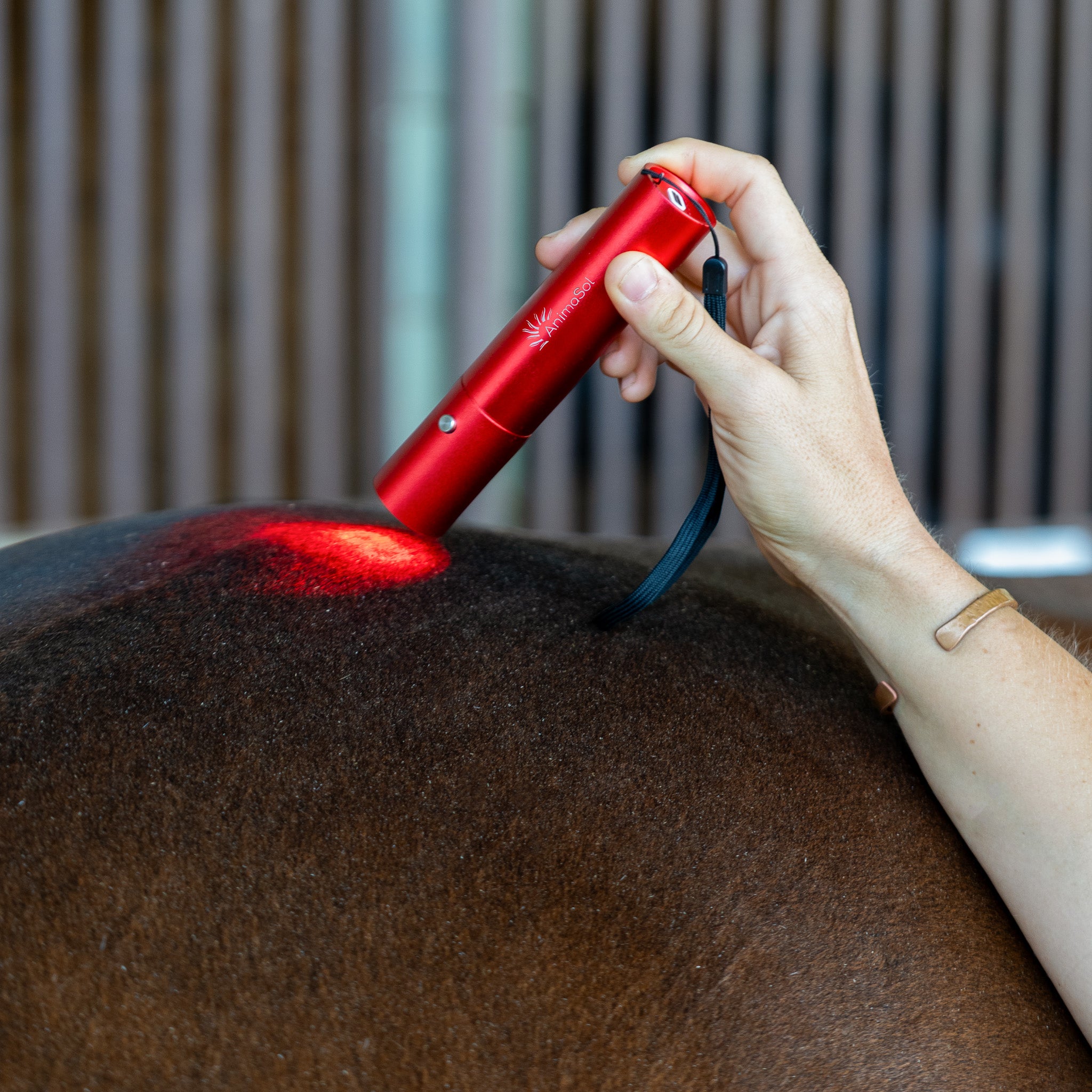
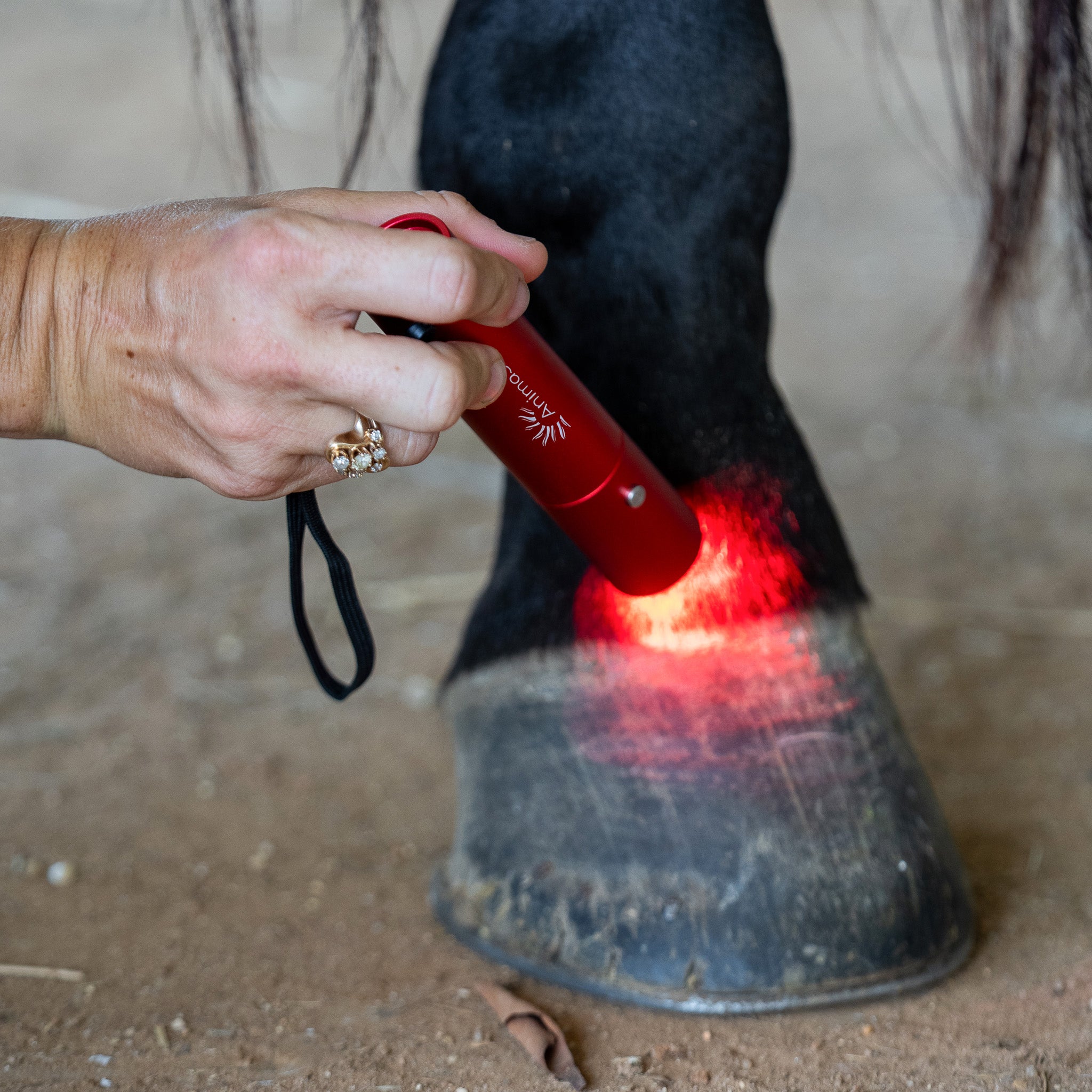
Photobiomodulation (PBM)—commonly called red light therapy—is a science-based treatment that uses specific wavelengths of light to stimulate healing at the cellular level.
How it works:
-
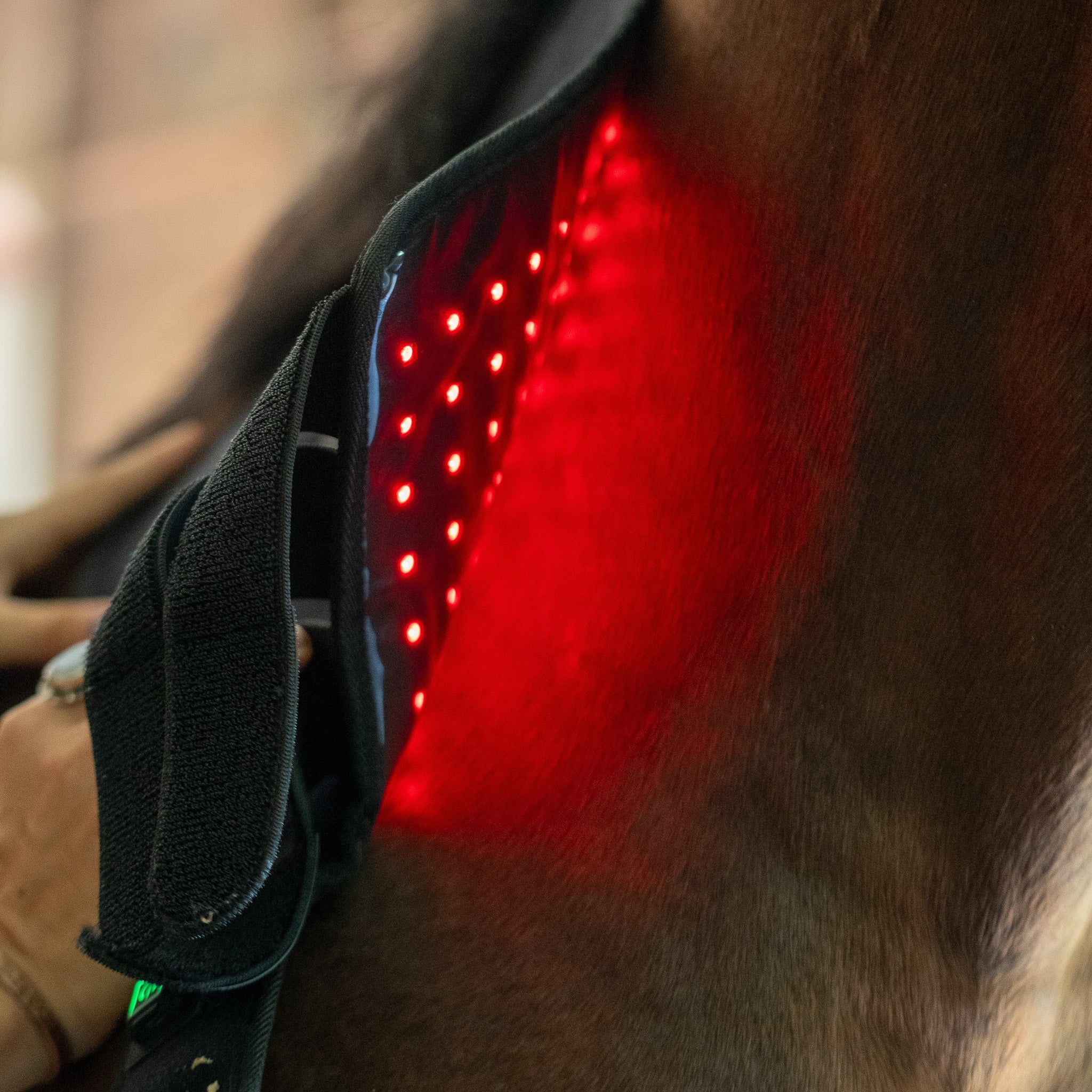
Light penetrates tissue and interacts with mitochondria
-
Increases cellular energy (ATP production)
-
Supports circulation and oxygenation
-
Reduces inflammation
-
Accelerates tissue repair
Common uses in animals:
-
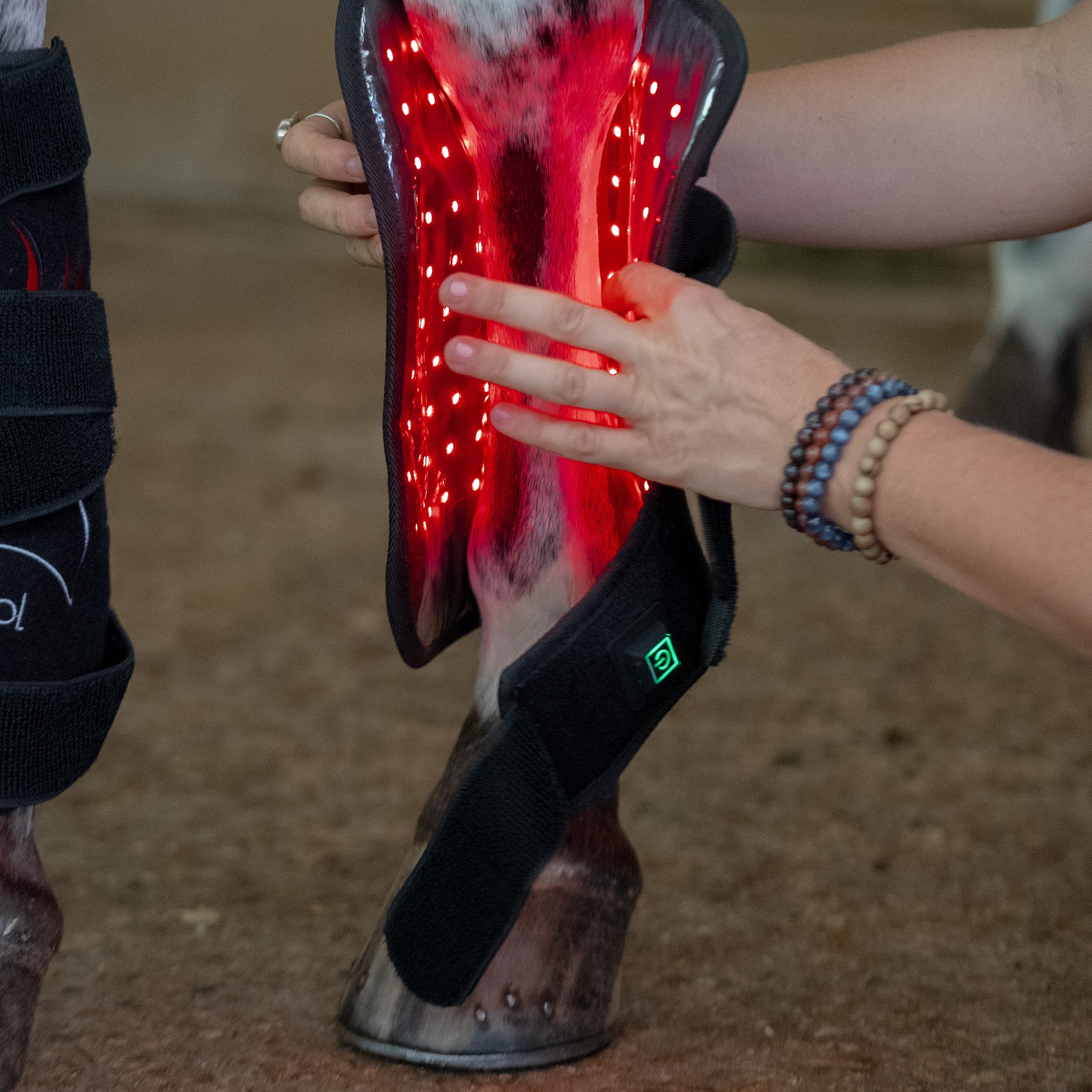
Horses: tendon injuries, joint inflammation, performance recovery
-
Dogs: arthritis, post-surgical healing, mobility issues
-
Cats: inflammation, wound healing, pain management
Trending Red Light Therapy: Marketing vs. Real Science
Let’s address the elephant in the room.
The red light therapy space is growing fast—and not always responsibly.
Much like the overuse of terms like “organic” and “natural” in the food industry, many brands are now using scientific-sounding language without the science to back it up.
That leads to:
-
Confusion about what actually works
-
Misuse of devices
-
Failure to use therapeutic wavelengths backed by science
-
Inconsistent or ineffective results
- Claims that devices provide therapeutic results which have no peer reviewed science poured into the development
And ultimately, a loss of trust.
Why Dr. Ron Joining AnimaSol Actually Matters
This is where things separate.
Dr. Ron didn’t just join any company.
He chose to align with AnimaSol.
That matters.
Because professionals with his level of experience don’t attach their name to products casually. They align with technology that reflects what they know to be clinically sound.
What this signals to you:
-
AnimaSol products are grounded in real photobiomodulation science
-
Development is informed by decades of veterinary research and application
-
Protocols and education are being built with expert oversight
In plain terms:
You’re not guessing. You’re using tools backed by someone who helped define the field.
What This Means for Horse, Dog, and Cat Owners

With Dr. Ron supporting AnimaSol, the focus goes beyond products.
It expands into education and proper use.
You’ll gain clearer answers to:
-
What is red light therapy for animals?
-
How does photobiomodulation actually work?
-
When should I use it for my horse, dog, or cat?
-
How do I use it safely and effectively?
Because results don’t just come from having the tool.
They come from using it correctly.
Our Commitment Moving Forward
At AnimaSol™, light therapy isn’t a trend.
It’s a science.
And with Dr. Ron on our team, we’re doubling down on:
-
Evidence-based education
-
Practical application guidance
-
Continued research and development
-
Raising the standard across the industry
Get LIT with AnimaSol Red Light Therapy
If you’re researching red light therapy for horses, dogs, or cats, here’s what matters:
-
Not all devices are created equal
-
Not all claims are backed by science
-
Expertise behind the product matters
Dr. Ronald J. Riegel DVM has spent decades advancing the very science behind photobiomodulation.
Now, that expertise is directly shaping AnimaSol.
And that should give you a much higher level of confidence in what you’re using to support your animal’s health.
Frequently Asked Questions About Red Light Therapy for Animals
What is red light therapy for animals?
Red light therapy, also known as photobiomodulation (PBM), is a non-invasive treatment that uses specific wavelengths of light to stimulate cellular function. In animals like horses, dogs, and cats, it is commonly used to support healing, reduce inflammation, and improve overall recovery.
Is red light therapy safe for horses, dogs, and cats?
Yes—when used correctly, red light therapy is considered safe and well-tolerated for horses, dogs, and cats. The key is proper wavelength, dosage, and application. This is where expert guidance, like that provided by Dr. Ronald J. Riegel DVM and the AnimaSol team, becomes essential.
How does photobiomodulation actually work?
Photobiomodulation works by delivering light energy into tissue, where it interacts with the mitochondria (the energy source of cells). This process helps increase ATP production, improve circulation, and support the body’s natural healing response.
What conditions can red light therapy help with in animals?
Red light therapy is commonly used to support:
-
Horses: tendon and ligament injuries, joint inflammation, muscle recovery
-
Dogs: arthritis, post-surgical healing, mobility issues
-
Cats: inflammation, wound healing, and pain management
Results depend on proper use and consistency.
How long does it take to see results?
Some animals show improvement after just a few sessions, especially with pain and inflammation. However, more complex conditions—like chronic joint issues or soft tissue injuries—may require consistent use over several weeks for optimal results.
Can I use red light therapy at home on my animal?
Yes, many red light therapy devices are designed for safe at-home use. However, effectiveness depends on using the correct protocols. Education and guidance—like what AnimaSol provides—help ensure you’re using the technology properly.
What makes one red light therapy device better than another?
Not all devices are created equal. Important factors include:
-
Wavelength accuracy
-
Power output and dose delivery
-
Treatment protocols
-
Scientific backing
Devices backed by experienced professionals—like Dr. Ronald J. Riegel DVM & Dr Judy Morgan DVM —are more likely to deliver consistent, effective results.
Is all red light therapy backed by science?
No—and this is where caution is needed.
While photobiomodulation is supported by a growing body of research, not every product on the market adheres to those scientific standards. Some companies use scientific-sounding language without validated data or proper application methods.
Why does Dr. Ron’s involvement with AnimaSol matter?
Dr. Ronald J. Riegel DVM has spent decades researching, teaching, and applying photobiomodulation in veterinary medicine. His involvement means AnimaSol products and protocols are approved by real clinical experience and scientific research—not just marketing trends.
When should I consider red light therapy for my animal?
Red light therapy can be a valuable addition when your animal is dealing with:
-
Injury or inflammation
-
Chronic pain or arthritis
-
Post-surgical recovery
-
Performance and recovery support (especially in horses)
It can be used alone or alongside veterinary-guided treatment plans.