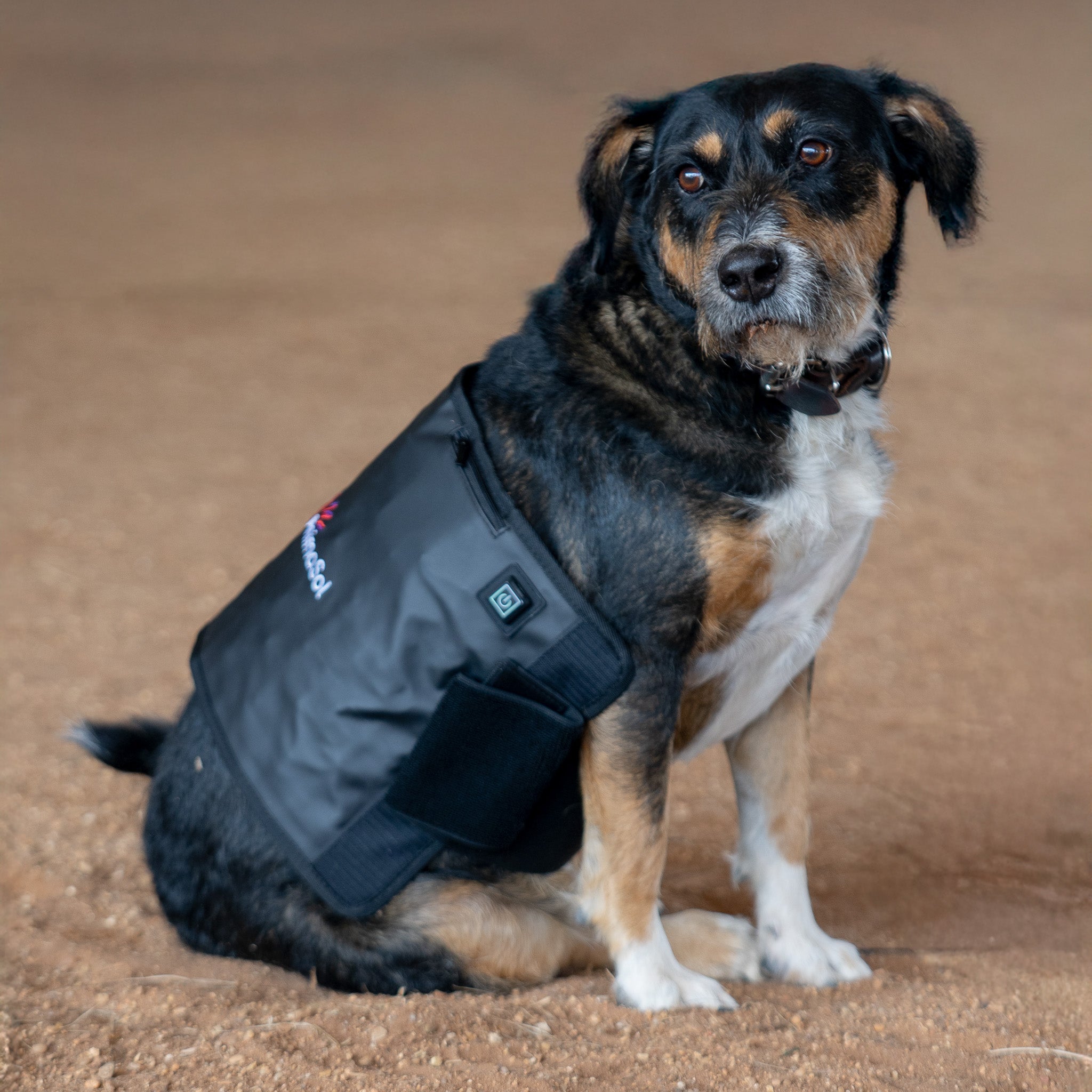
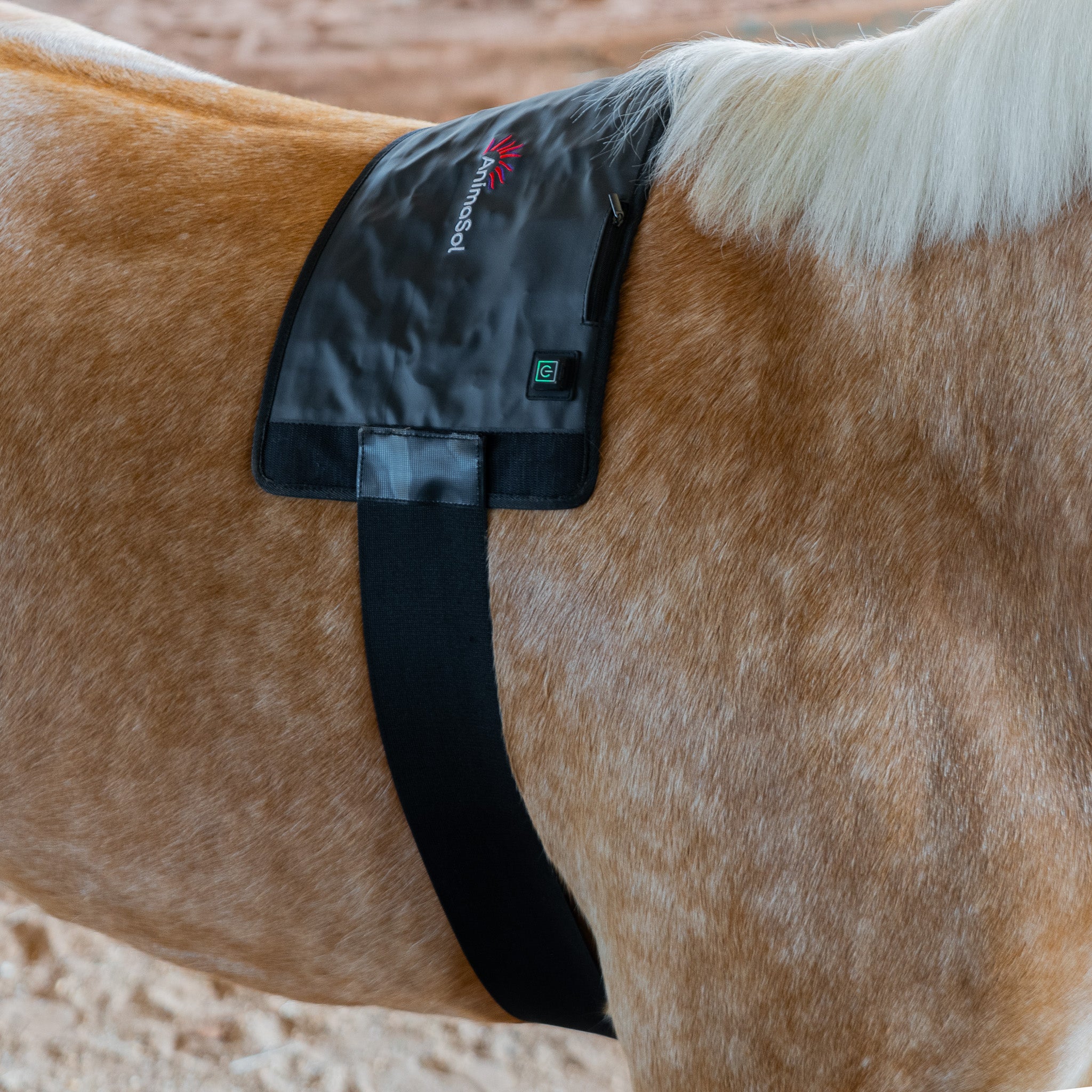
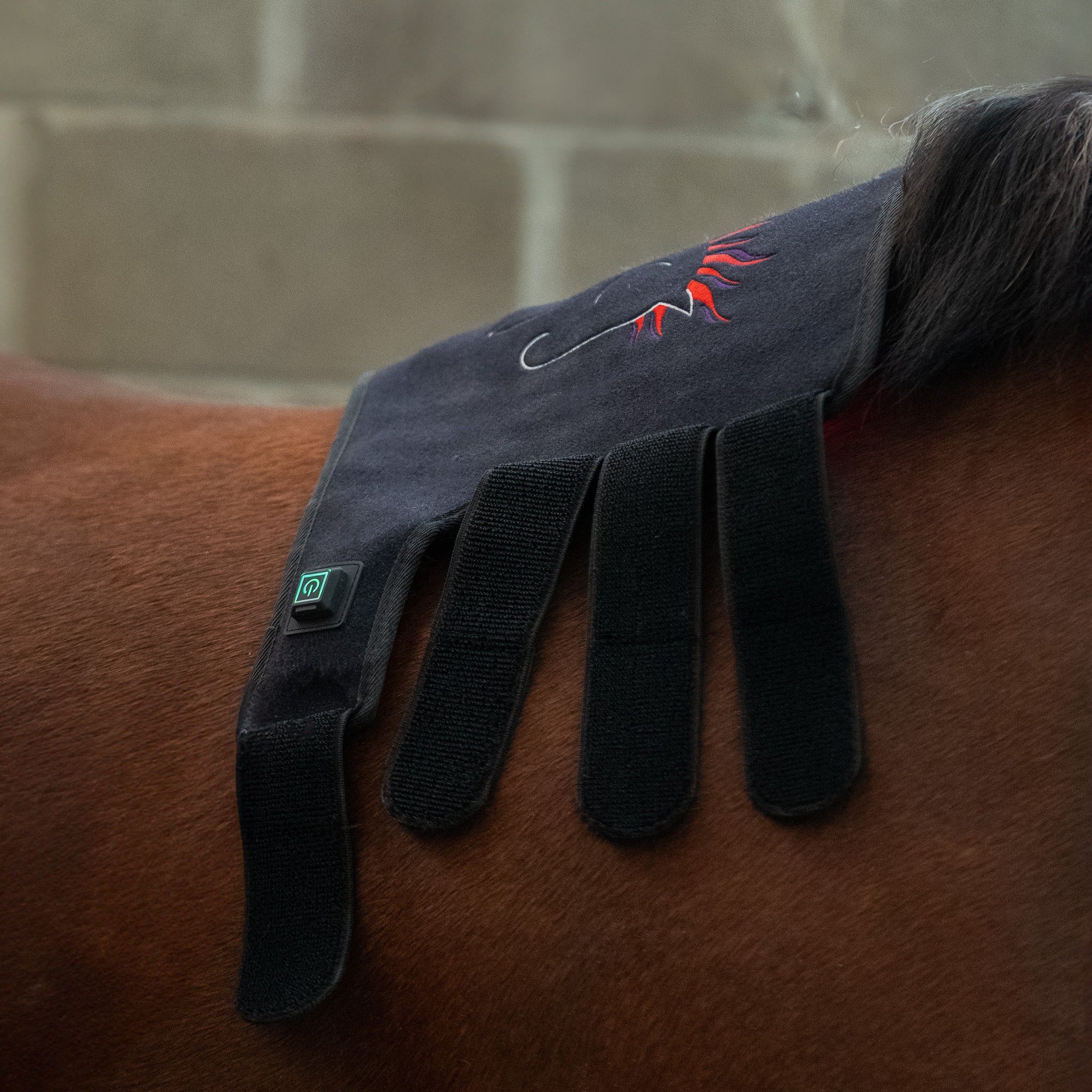
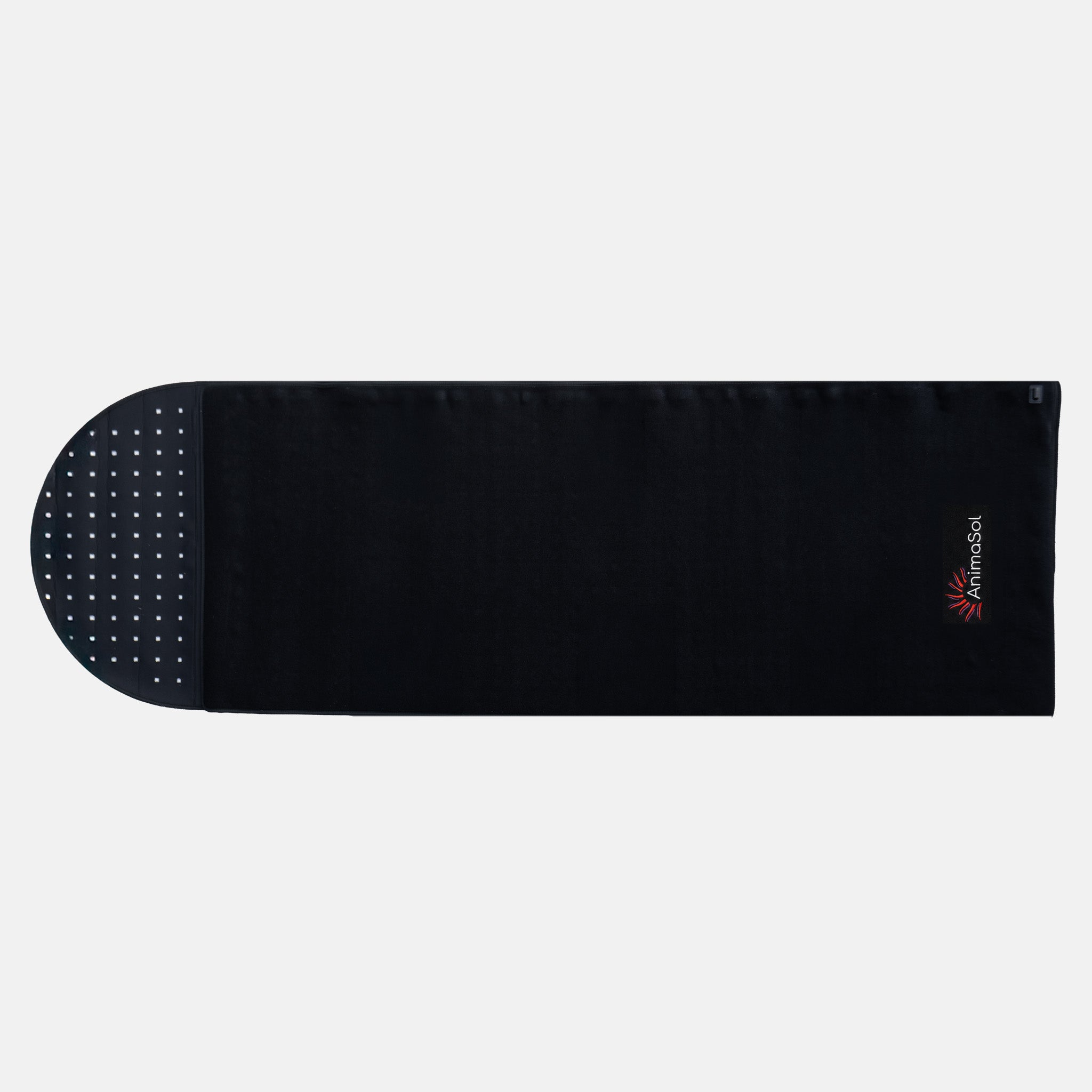
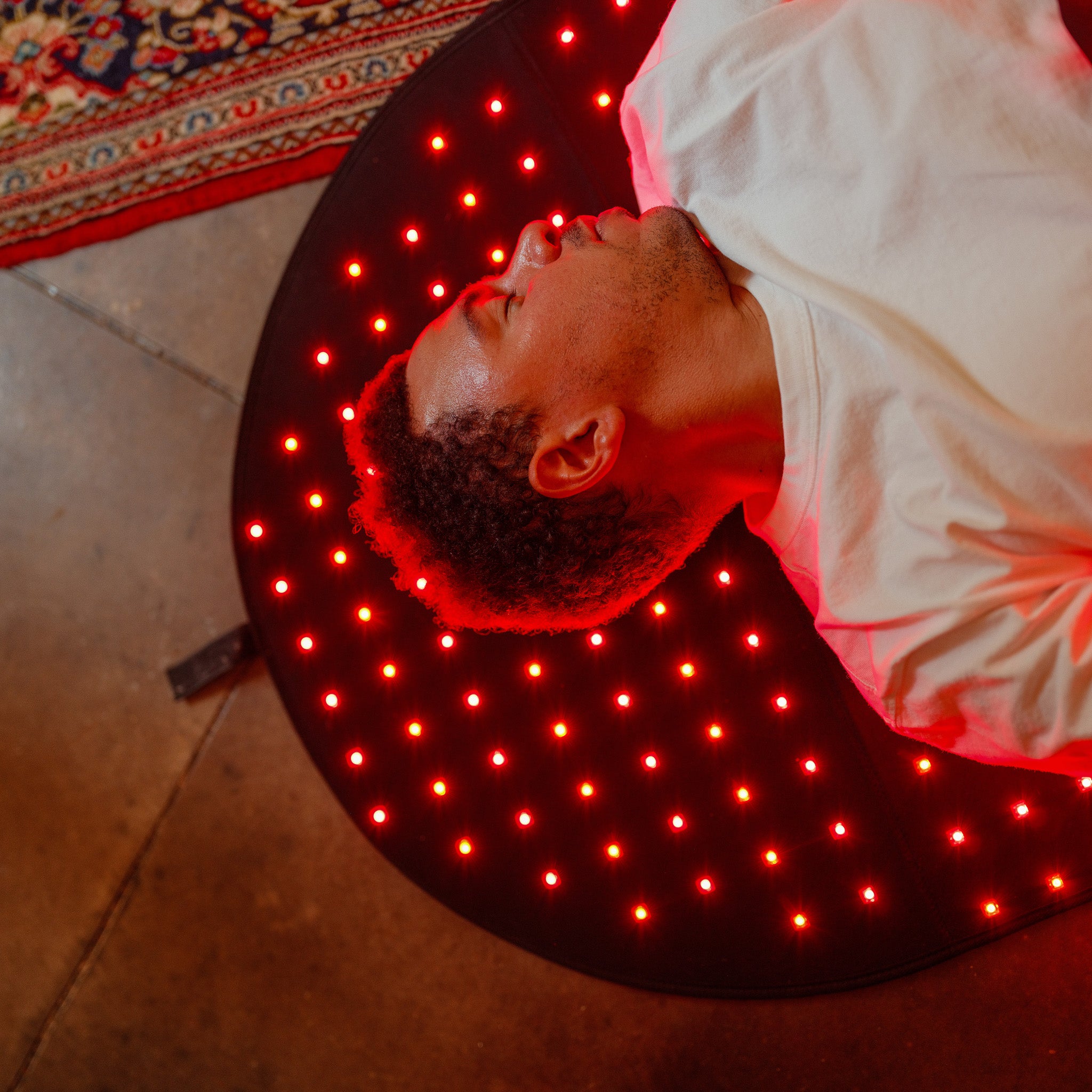
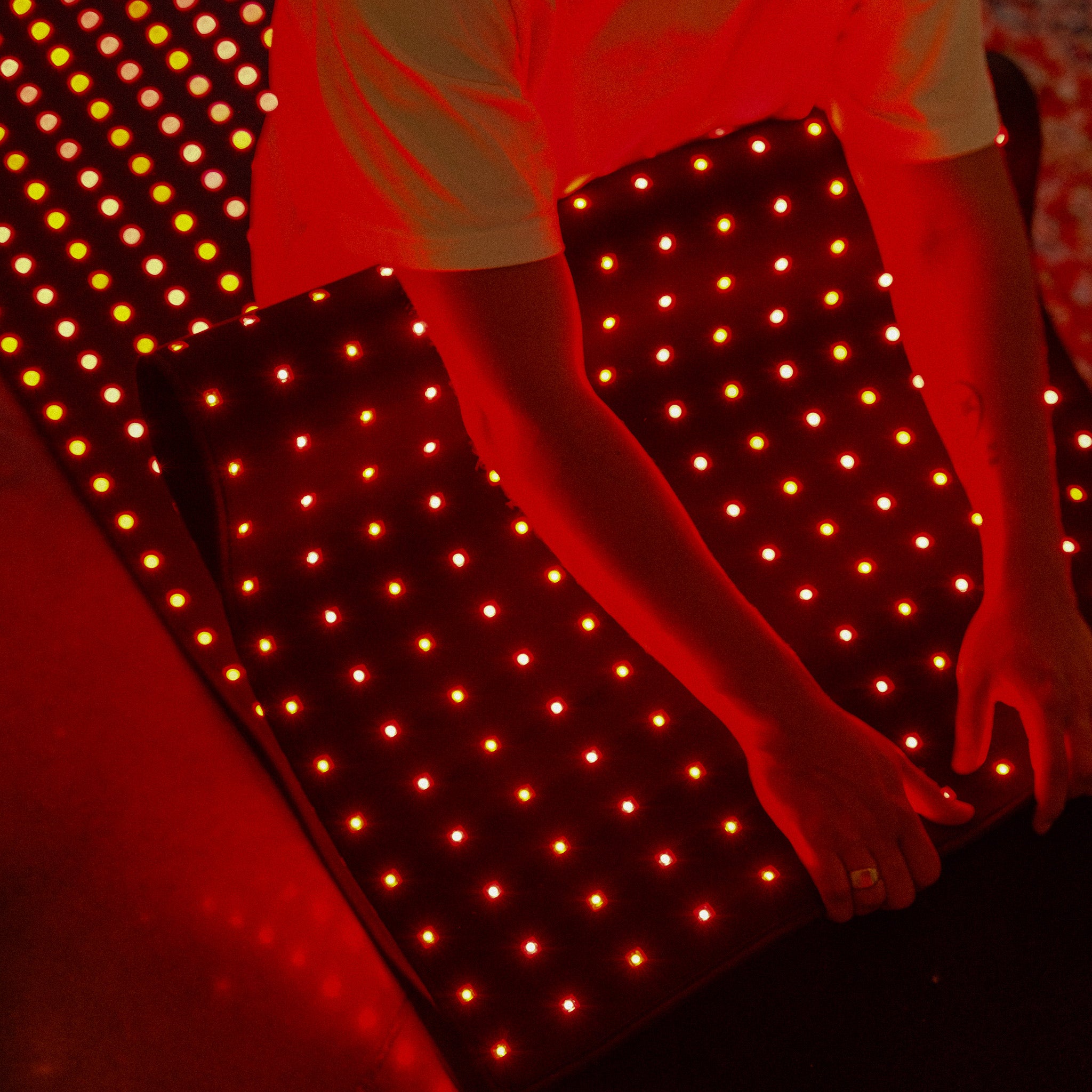
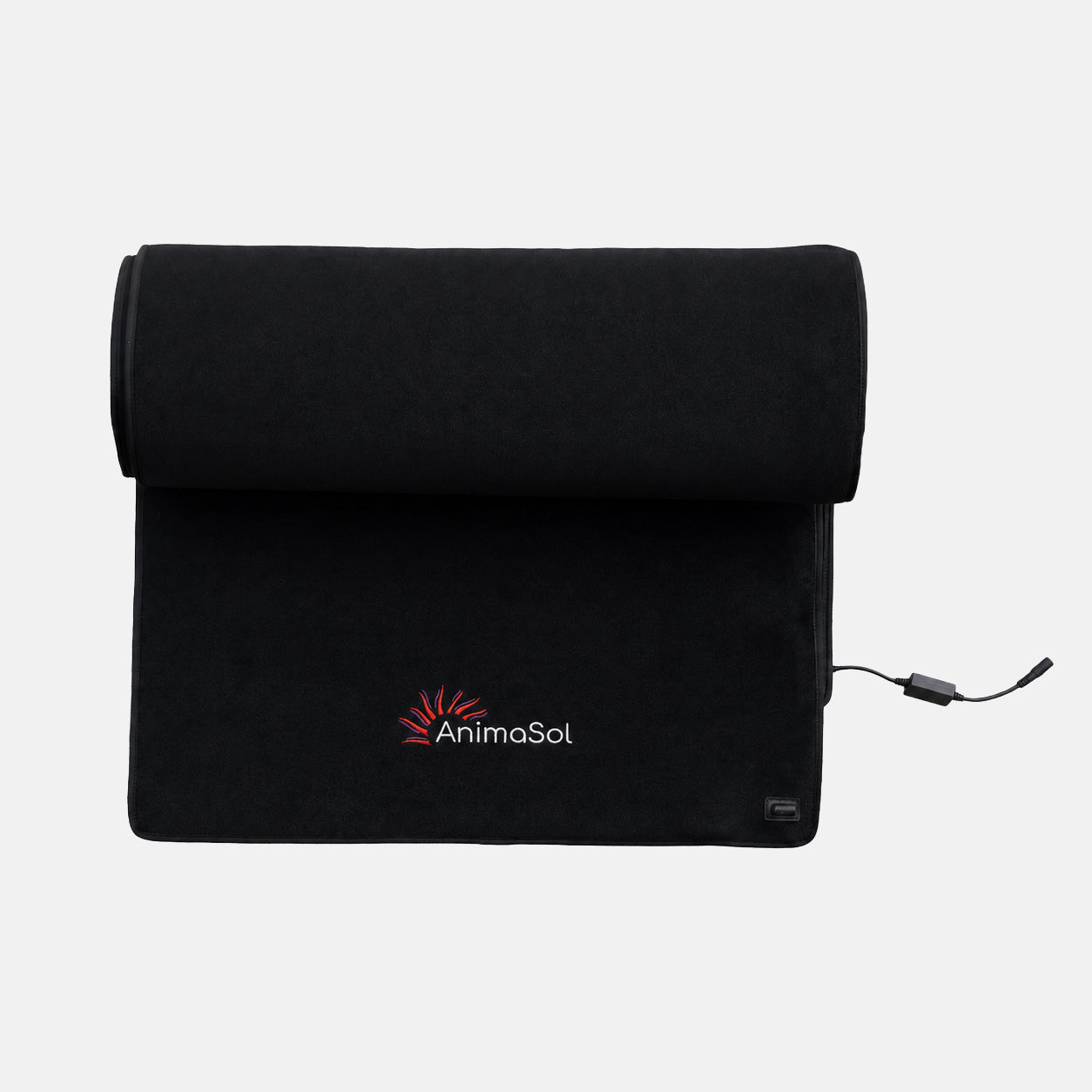
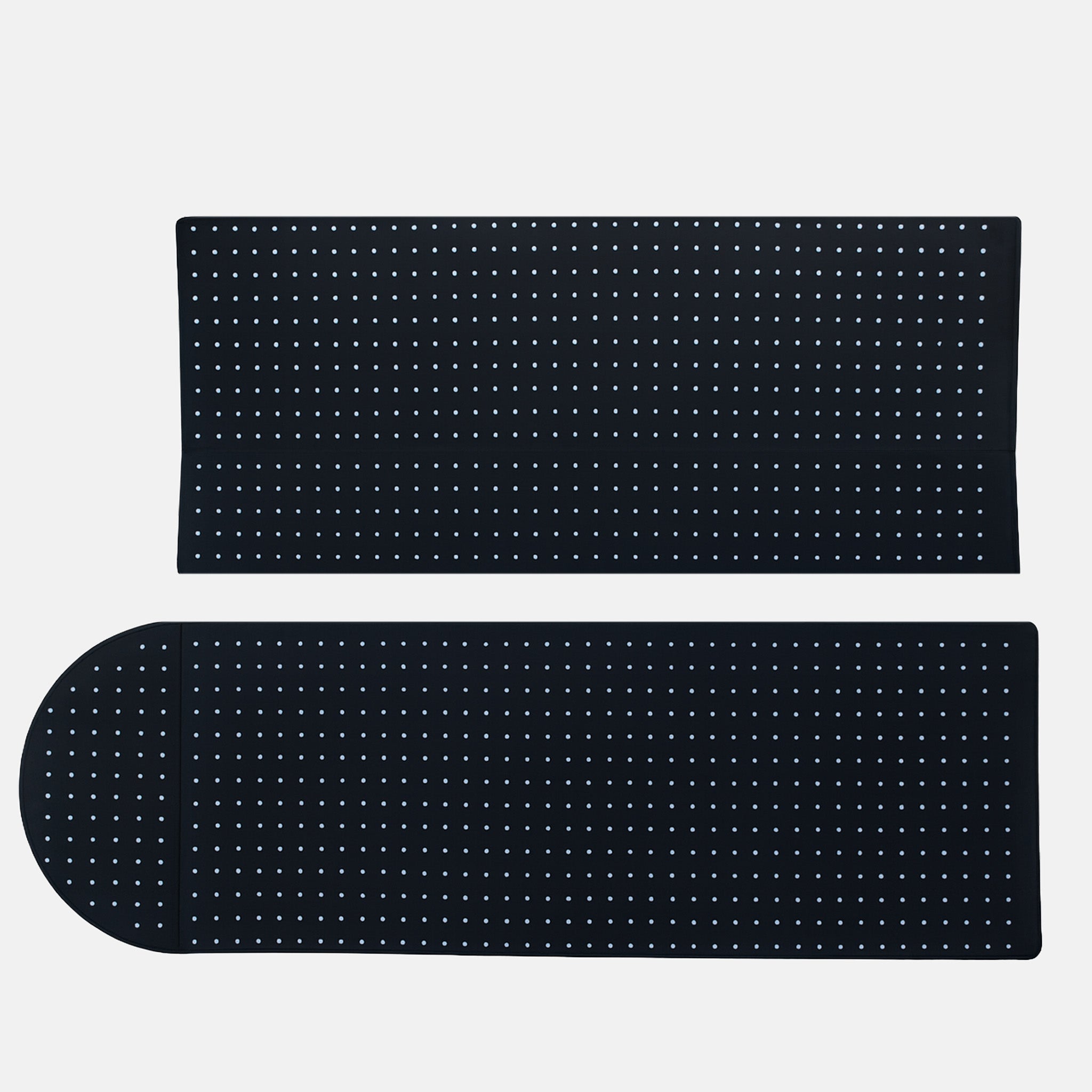
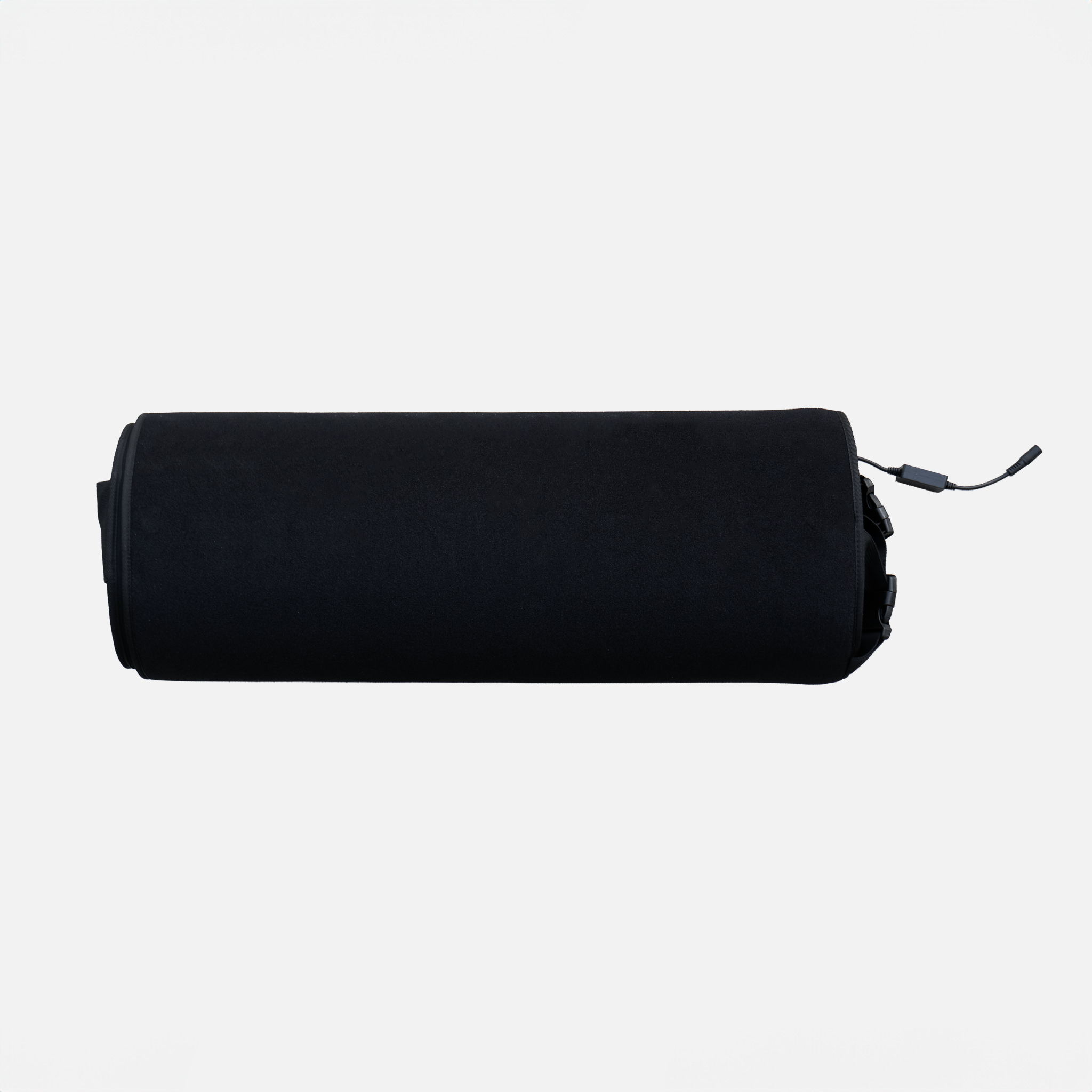
Why Device Quality Matters - High Quality equals full benefits
Modern pets and people face increasing inflammatory and mobility-related challenges due to:
- Processed diets
- Environmental stressors
- Sedentary lifestyles
- Chronic inflammation patterns
Red light therapy is used to support:
- Joint comfort and mobility
- Skin healing and wound recovery
- Post-exercise recovery
- Age-related stiffness
- Circulation and tissue repair
But outcomes depend entirely on device quality, dosage, and consistency of use —not just the presence of “red light.”
What specifications matter most in red light therapy?
Many pet wellness products focus on attractive claims instead of measurable performance. This makes it difficult for people to know whether they’re investing in a true therapeutic tool or simply an underpowered light device.
Before purchasing a red light therapy device, look beyond the branding and ask for the specifications that truly matter: science-backed wavelengths, clinically supported dosing parameters, measured irradiance, and evidence-based design principles. These factors—not marketing buzzwords—determine whether a device can deliver meaningful therapeutic benefits.
Does wavelength matter in red light therapy?
Effective red light therapy depends on specific wavelengths, not generic terms.
The most commonly researched wavelengths include:
-
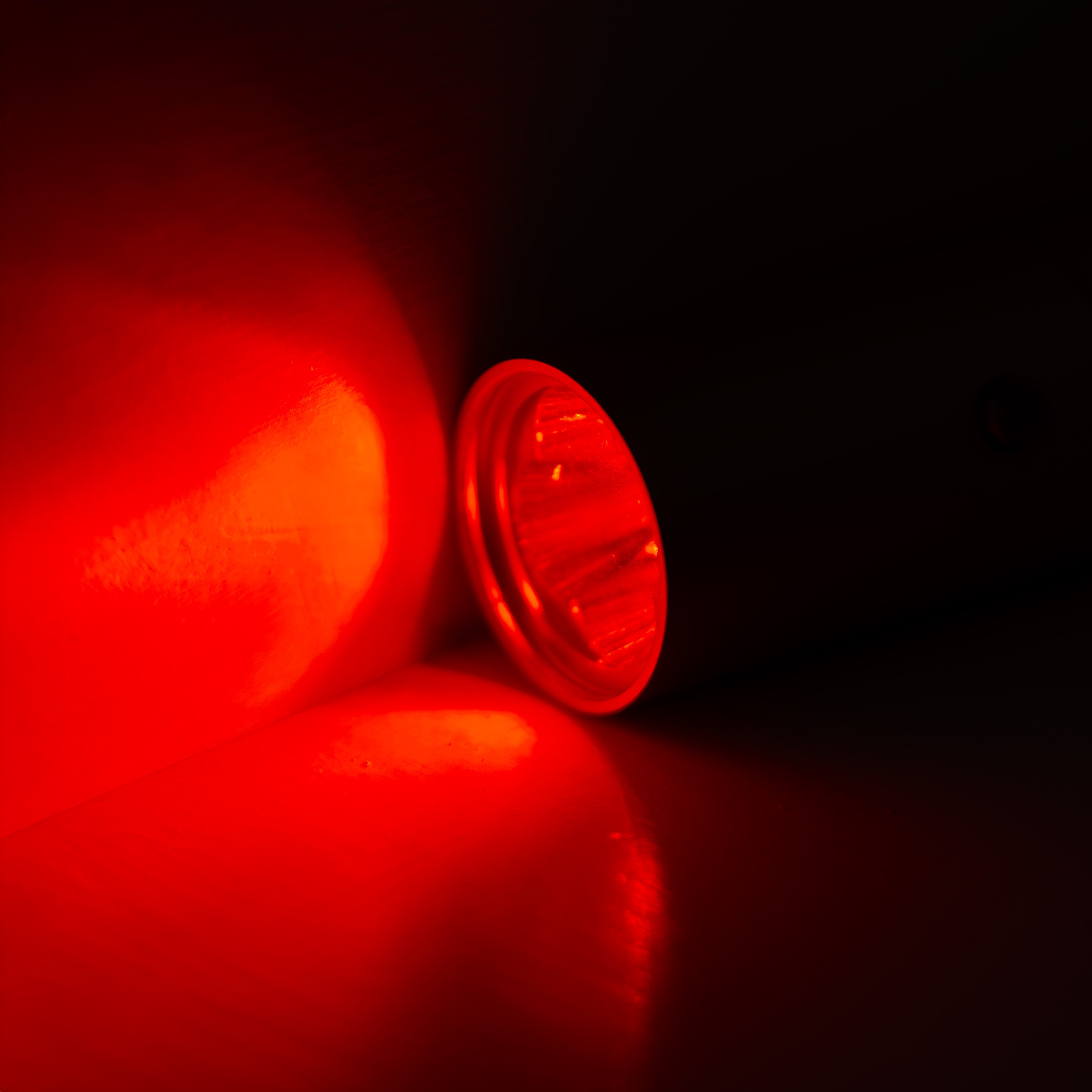
Red light (typically in the mid-600nm range)
-
Near infrared light (typically in the 800nm range)
These wavelengths interact differently with tissue, which is why simply saying “multiple colors” or “polychromatic” doesn’t tell you enough.
Why It Matters
Red light supports surface tissues like skin and coat, while near infrared penetrates deeper into muscles and joints. A device should clearly disclose both.
What wavelengths should a red light therapy device use?
- 630nm (Red Light): commonly used for addressing skin conditions, boosting wound healing, and encouraging skin rejuvenation.
- 660nm (Red Light): commonly used to support recovery from training fatigue, reduces inflammation, and speeds up wound recovery.
- 810nm (Near-Infrared Light): commonly used to enhance various recovery processes, including brain function and mental wellness.
- 830nm (Near-Infrared Light): commonly used for anti-inflammatory properties and is excellent for rapid recovery after intensive activities.
- 850nm (Near-Infrared Light): commonly used to alleviate muscle strain and assists in muscle repair, optimizing the therapeutic effects of the red light spectrum.
The 3 Most Important Specifications for Red Light Therapy
1. Wavelength Accuracy (Most Important)
Therapeutic red light typically falls into two ranges:
- Red light: ~630–660nm (surface-level tissue)
- Near infrared (NIR): ~810–850nm (deeper tissue support)
Each range interacts differently with biological tissue. Devices should clearly state exact wavelengths—not general terms like “multicolor light.”
2. Irradiance (Power Output)
Irradiance measures how much light energy reaches tissue and is expressed in mW/cm².
Think of it like water pressure:
- Wavelength = type of water
- Irradiance = strength of flow
Without sufficient irradiance, even correct wavelengths will not deliver meaningful results.
What to look for:
- Clearly stated mW/cm² at a defined distance
- Treatment recommendations based on real dosing
3. Dosage (Time + Distance)
A proper device includes:
- Treatment time guidelines
- Recommended distance from the body
- Session frequency recommendations
Without dosage guidance, users are left guessing—and results vary widely.
How Much Irradiance Is Effective?
Well-designed devices typically range between:
- 50 to 213 mW/cm² (depending on distance and application)
Higher is not always better—what matters is correct dosing for the target tissue and use case.
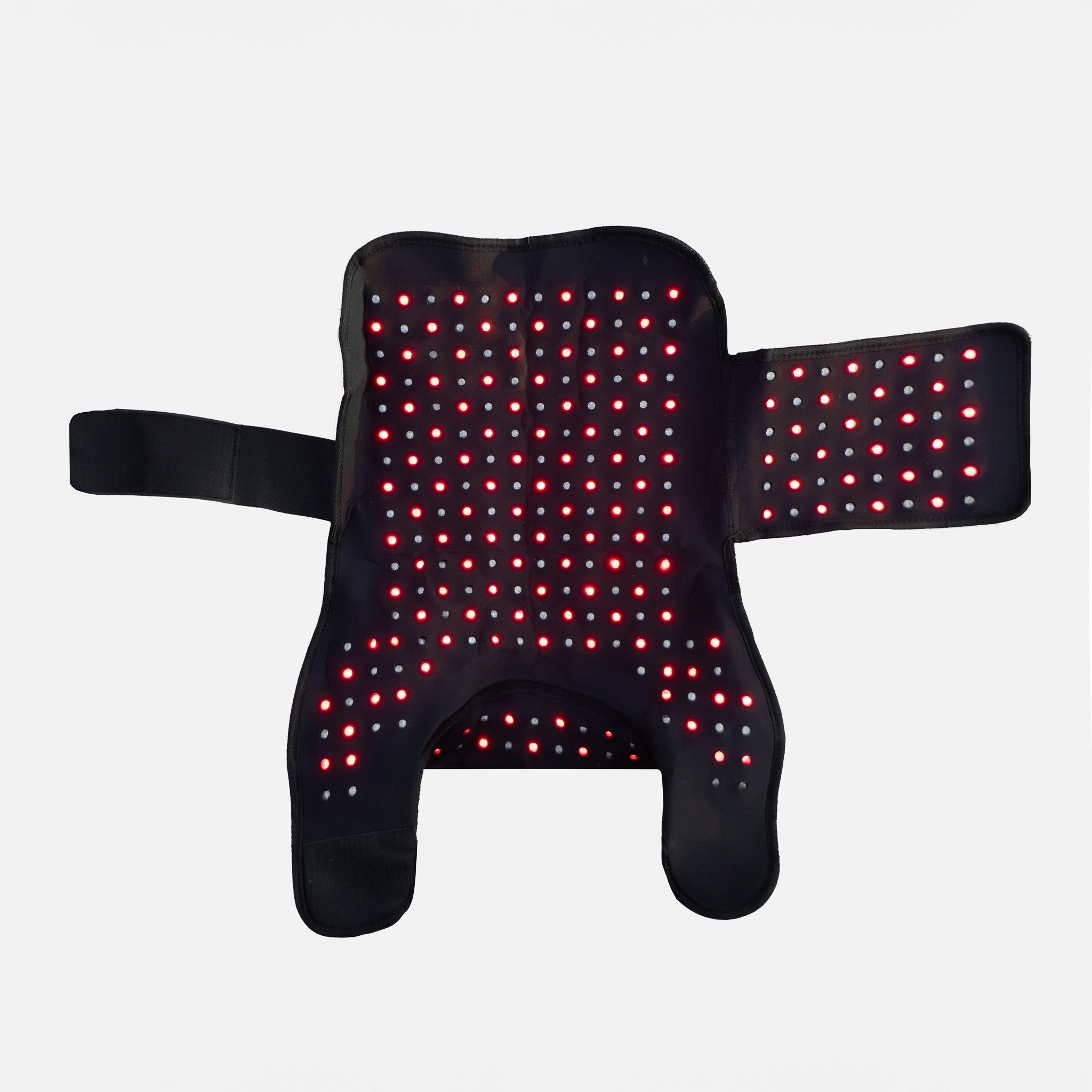
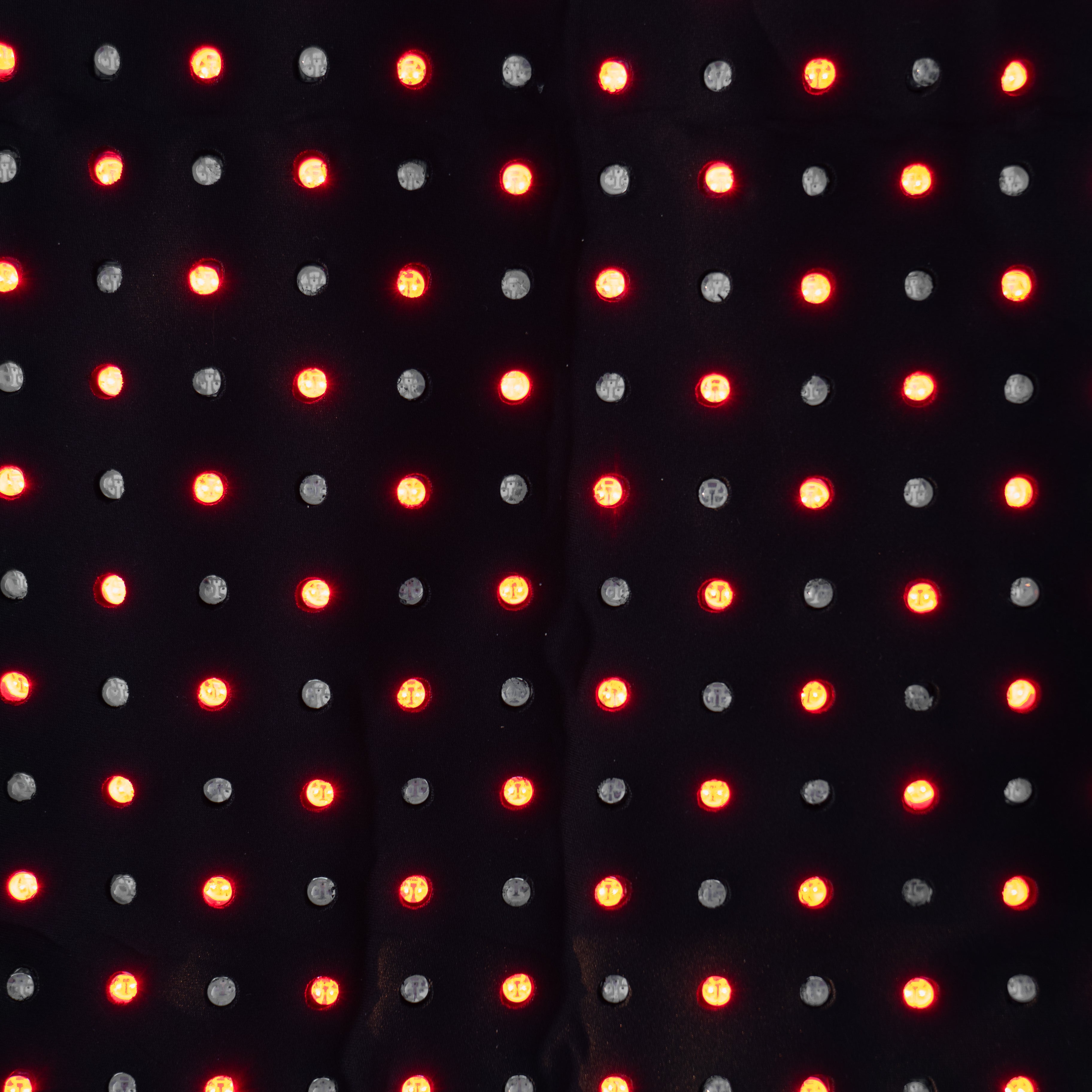
Does the number of LEDs matter in red light therapy?
Not by themselves.
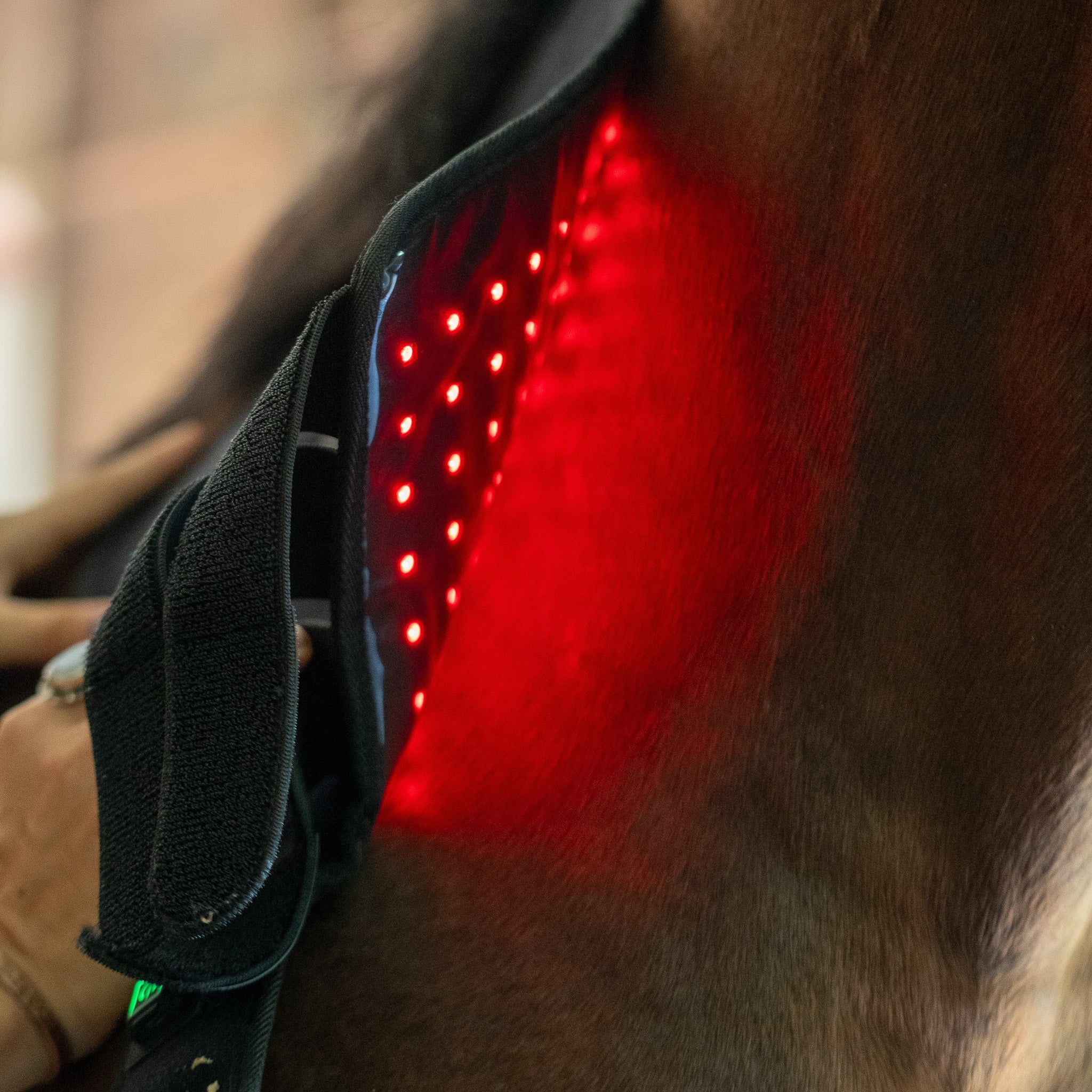
LED count alone does NOT determine effectiveness.
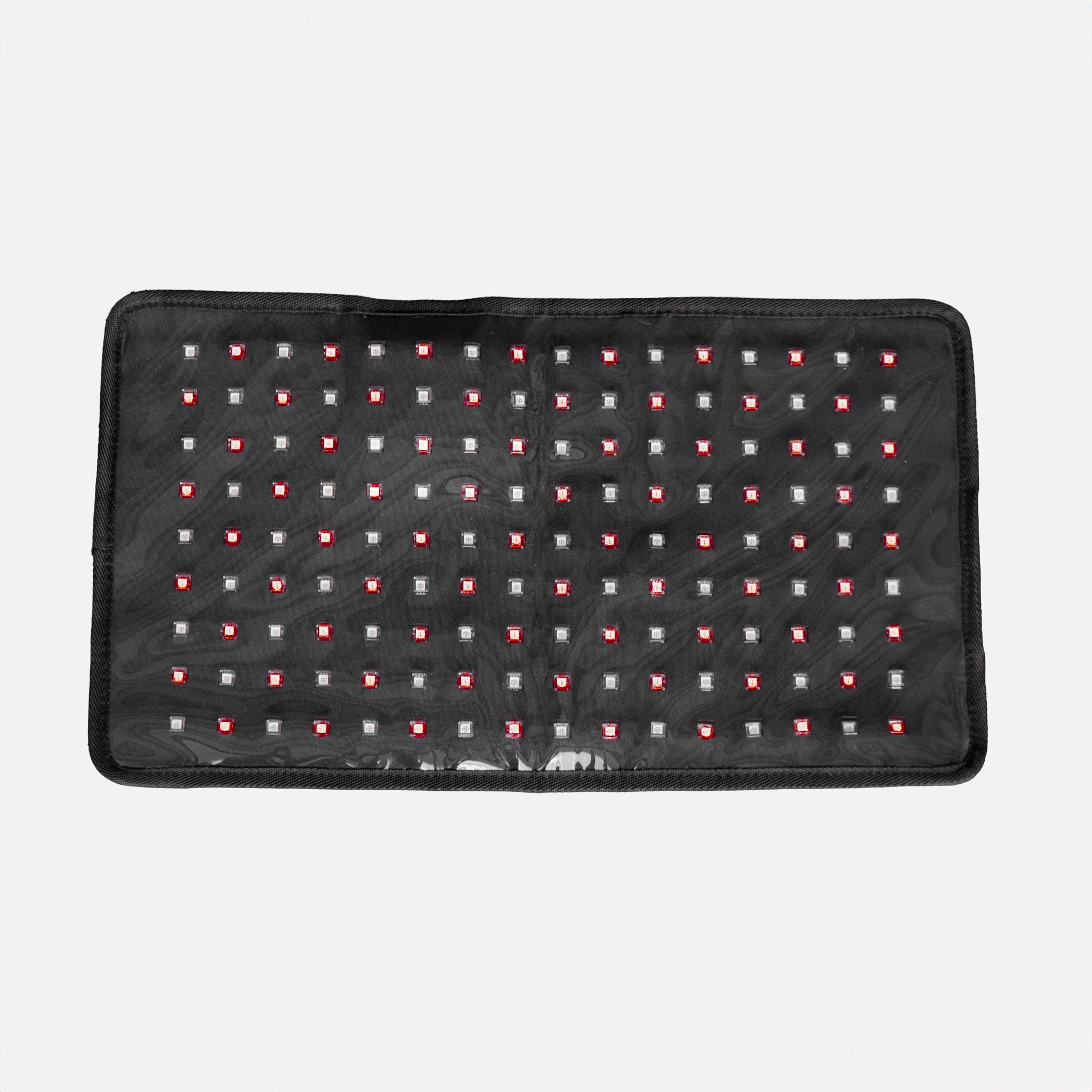
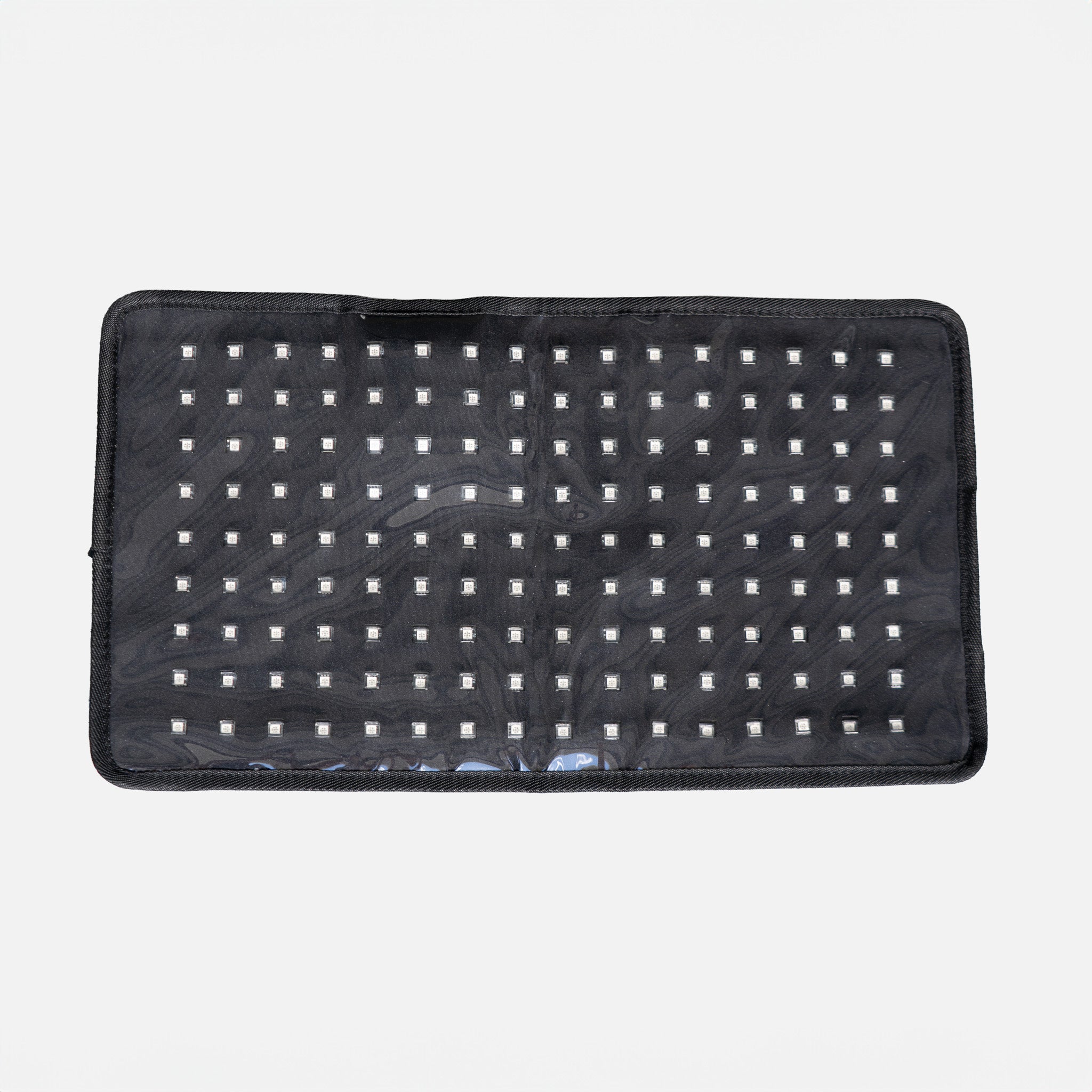
A device can have hundreds of LEDs and still be weak if:
- Output per LED is low
- Spacing is poor
- Irradiance is insufficient
What actually matters:
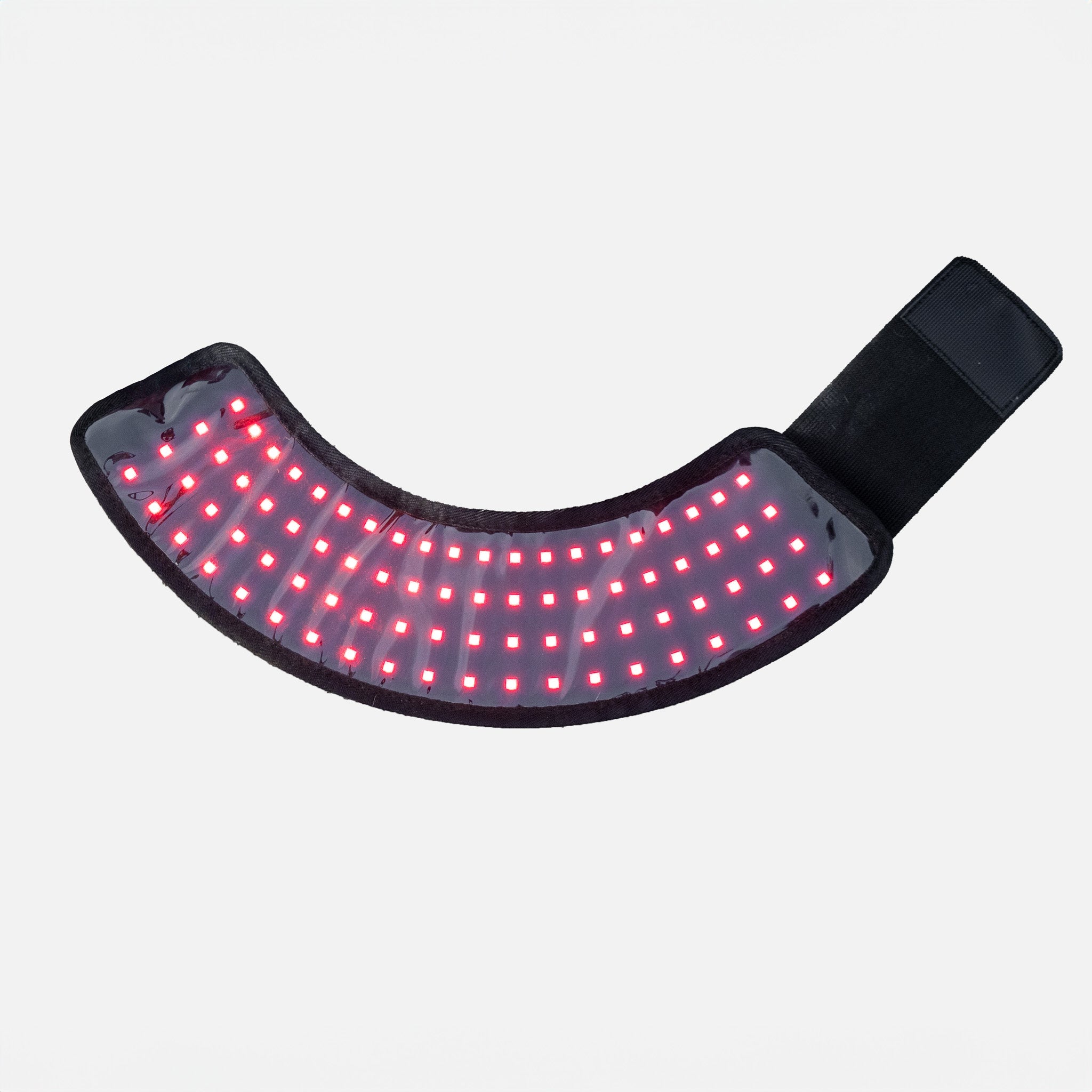
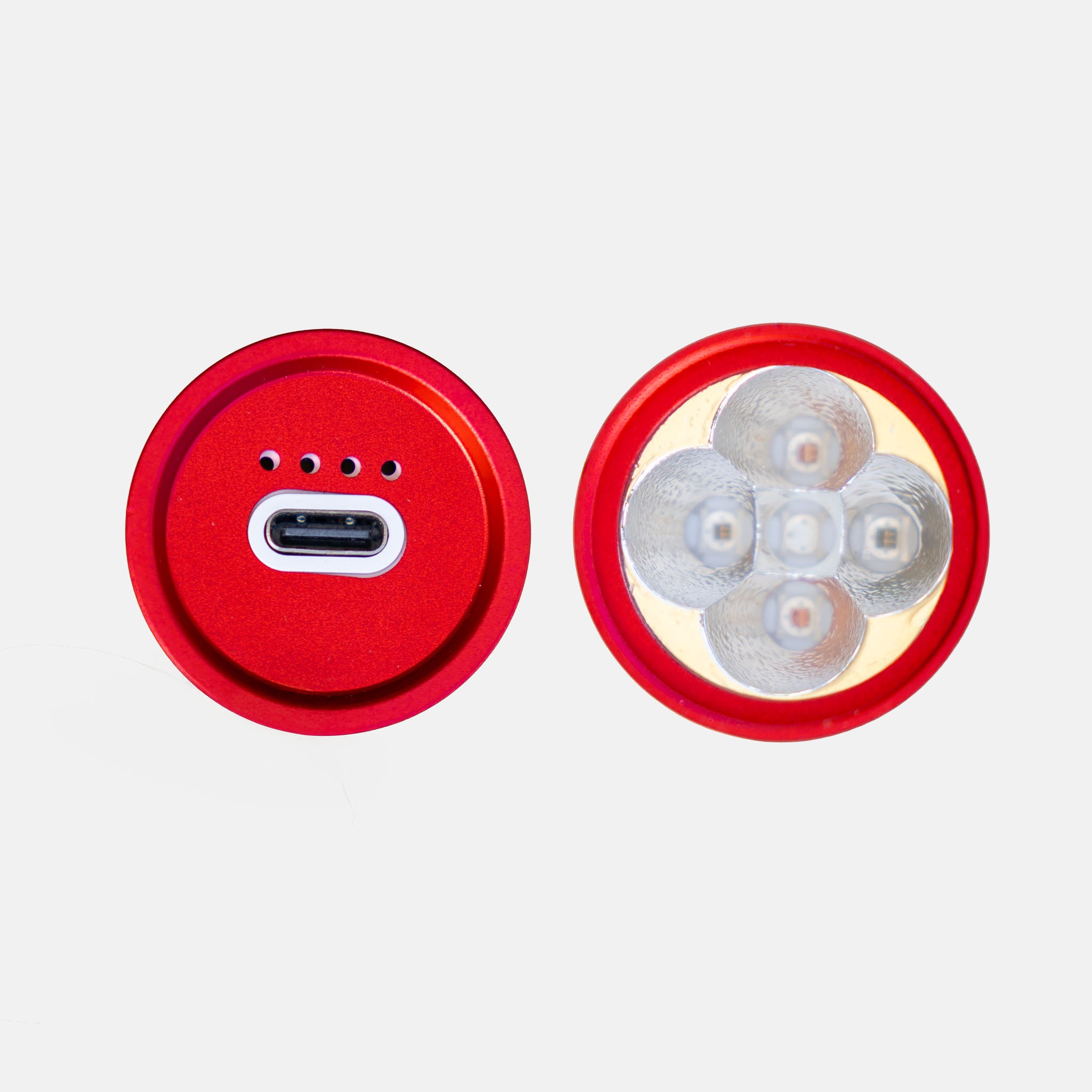
- LED power (not just quantity)
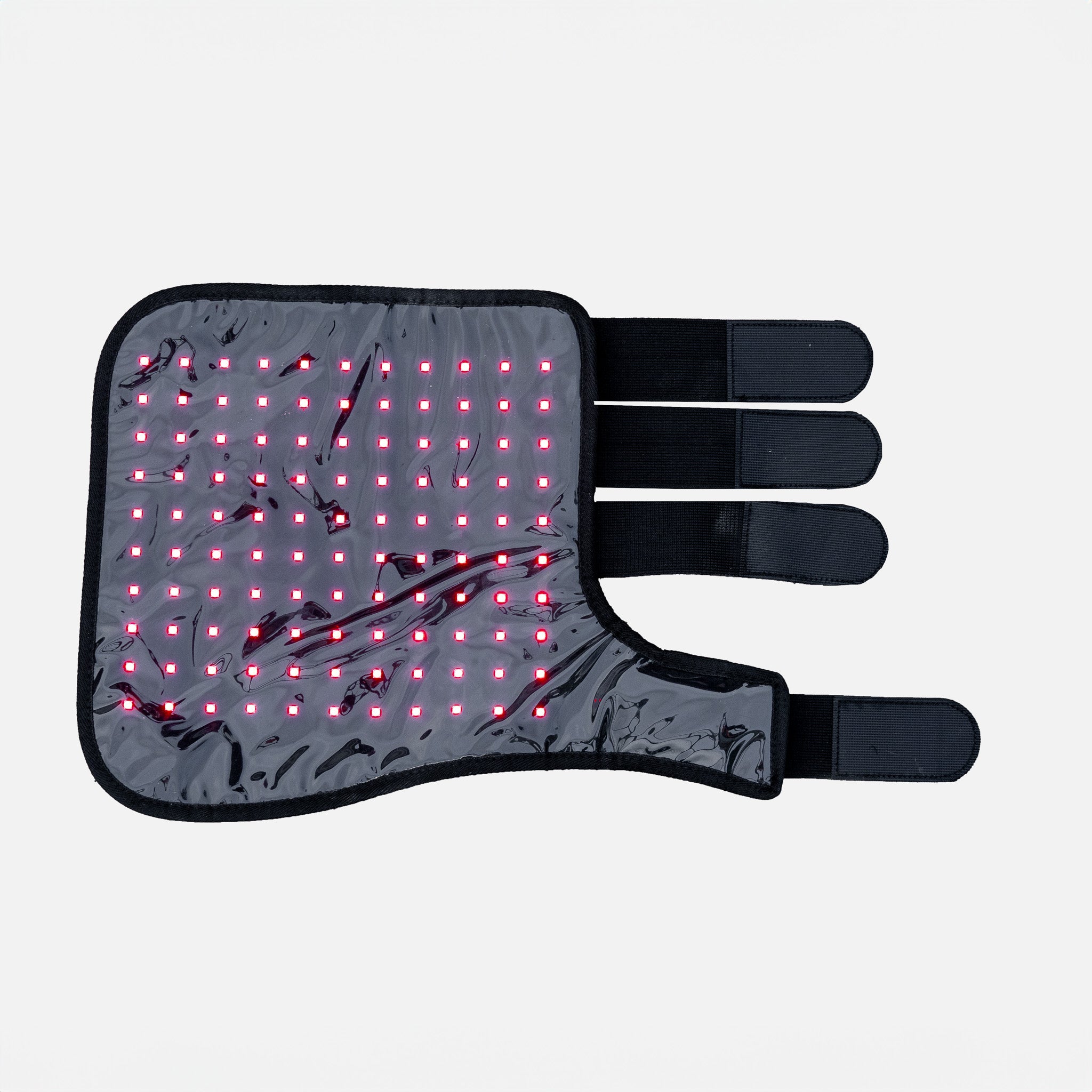
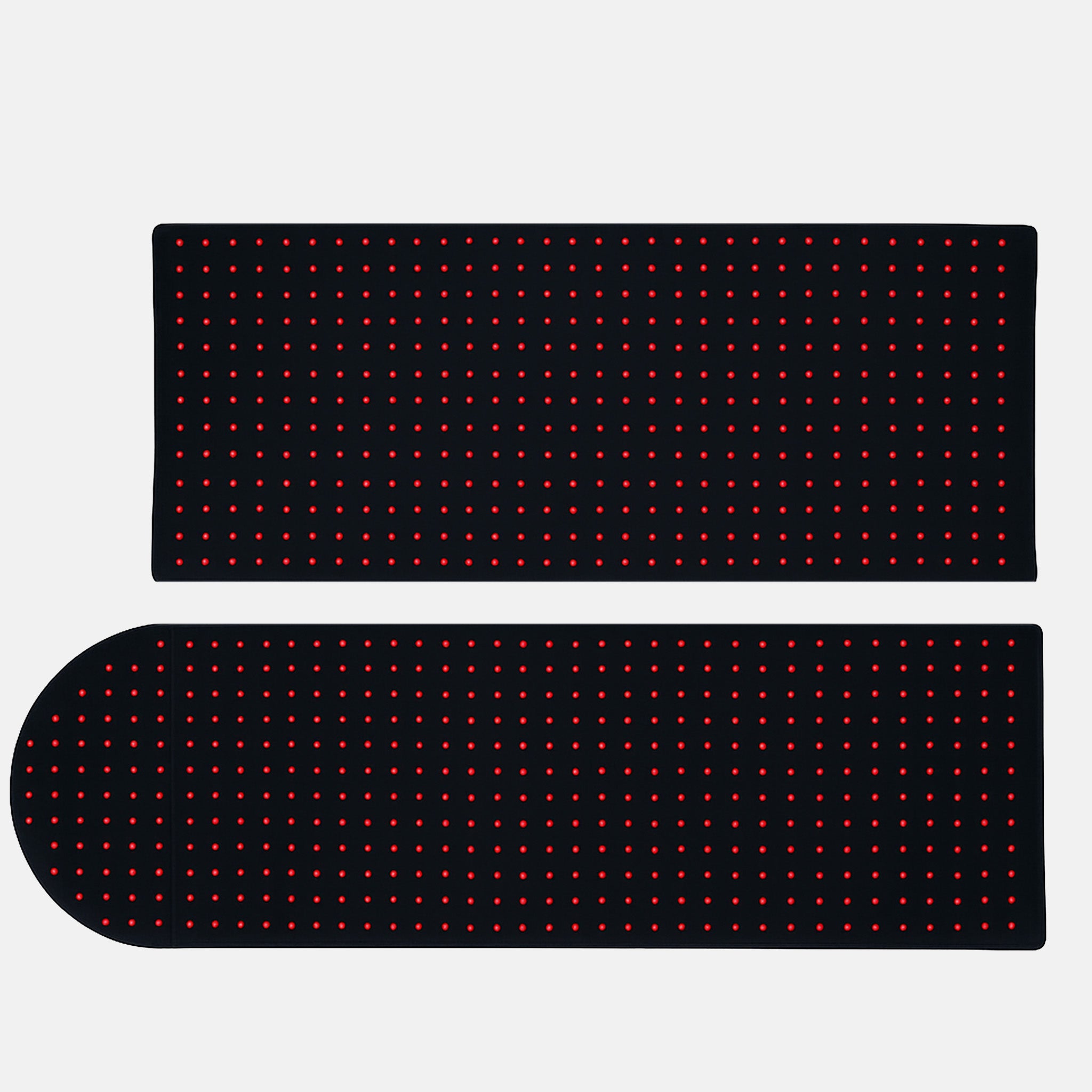
- LED spacing and coverage
- Beam angle and uniformity
- 2:1 ratio of near inrared to red light
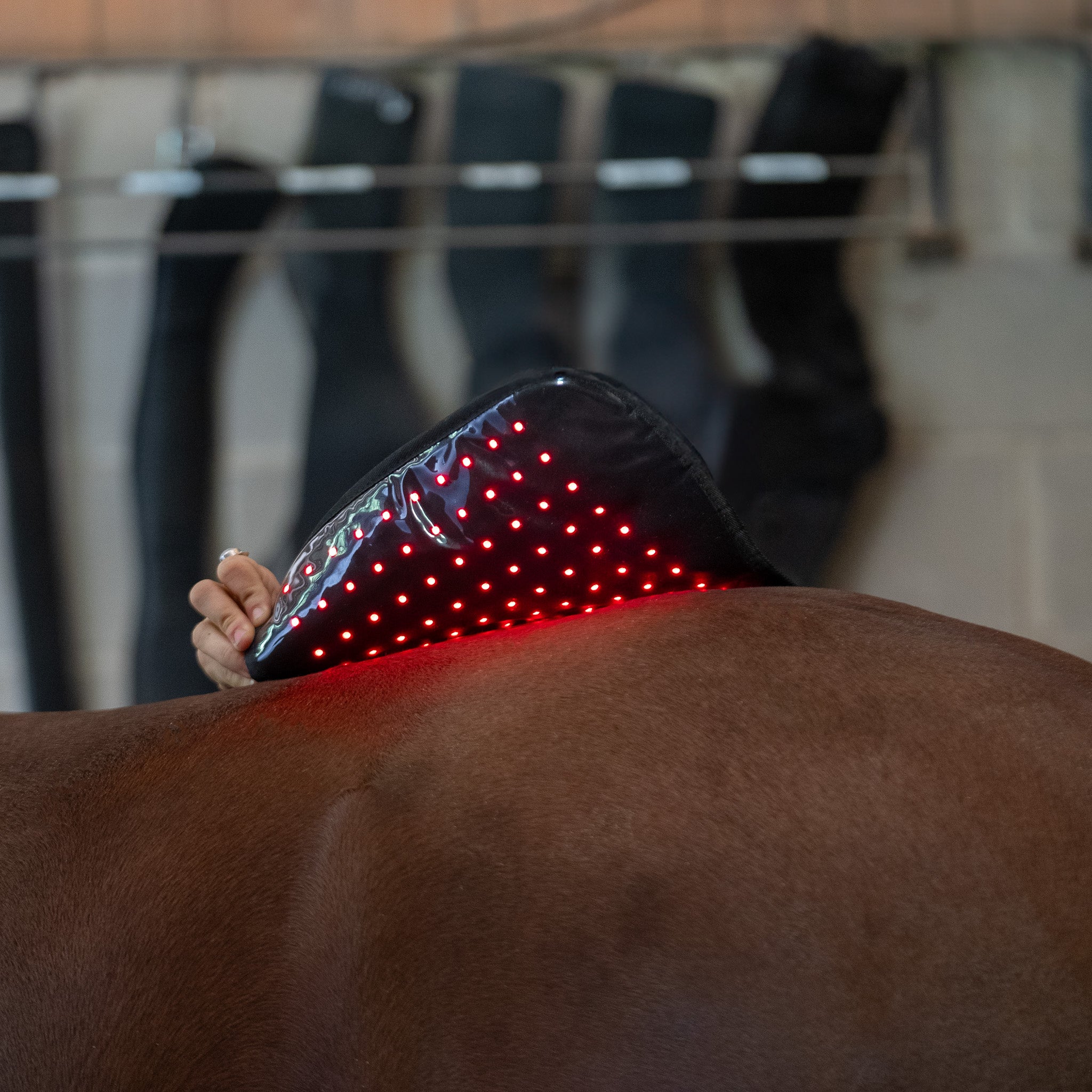
LED density matters because it:
Improves light consistency across the treatment area and reduces uneven exposure.
Red vs Near Infrared: Why Both Matter
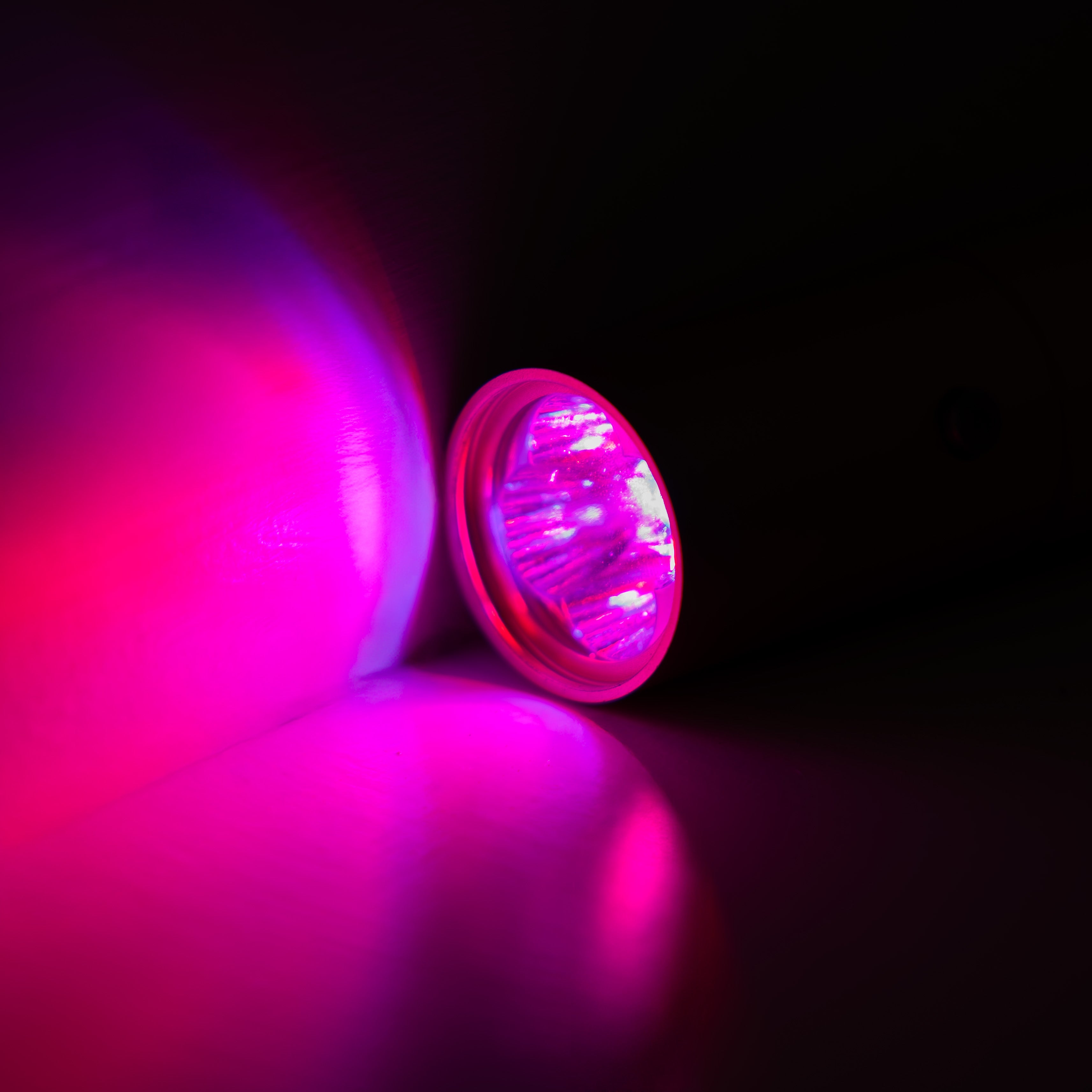
A well-designed system includes both:
- Red light (630–660nm): skin, coat, surface tissue support
- Near infrared (810–850nm): deeper tissue such as muscles and joints
Together, they provide layered tissue support rather than surface-only effects.
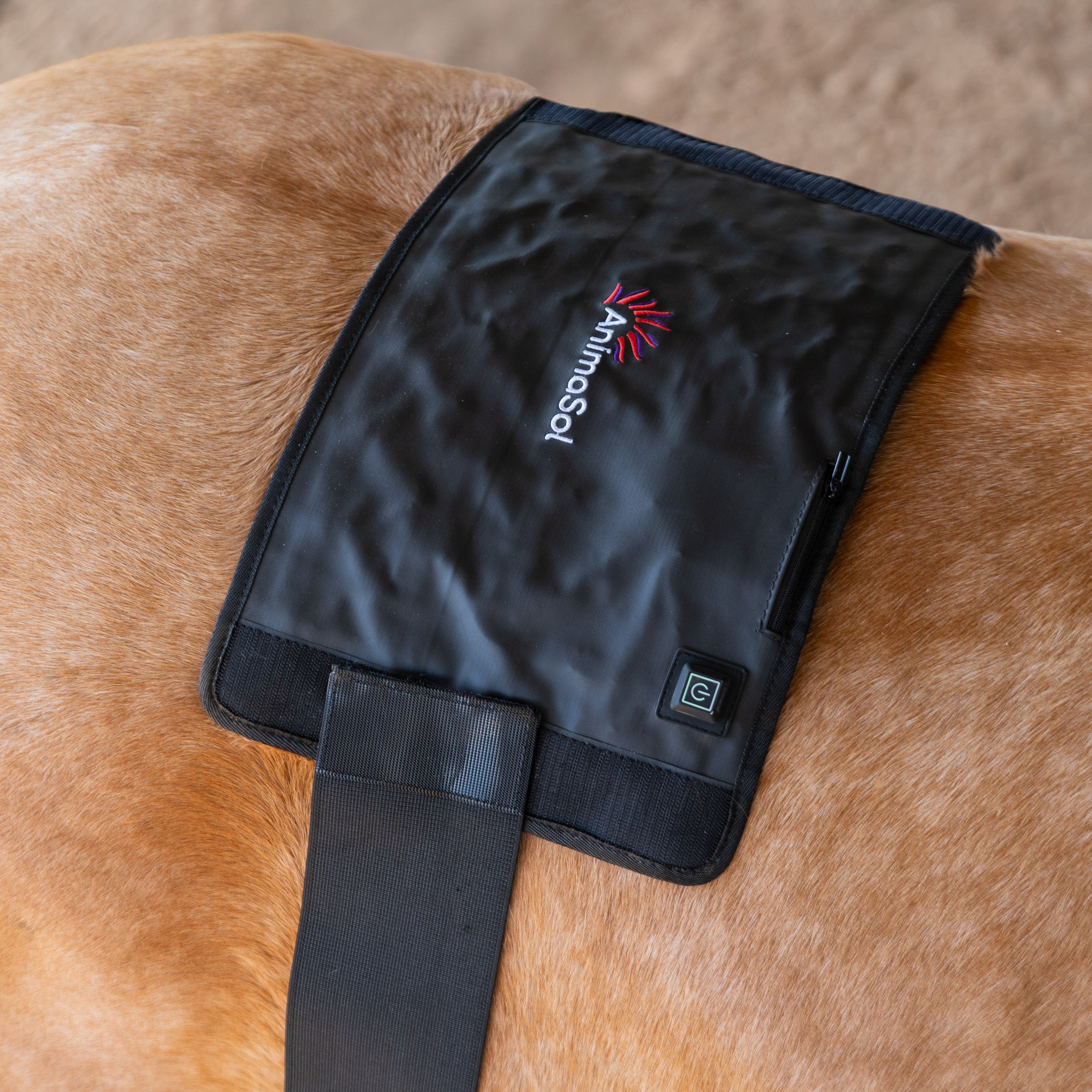
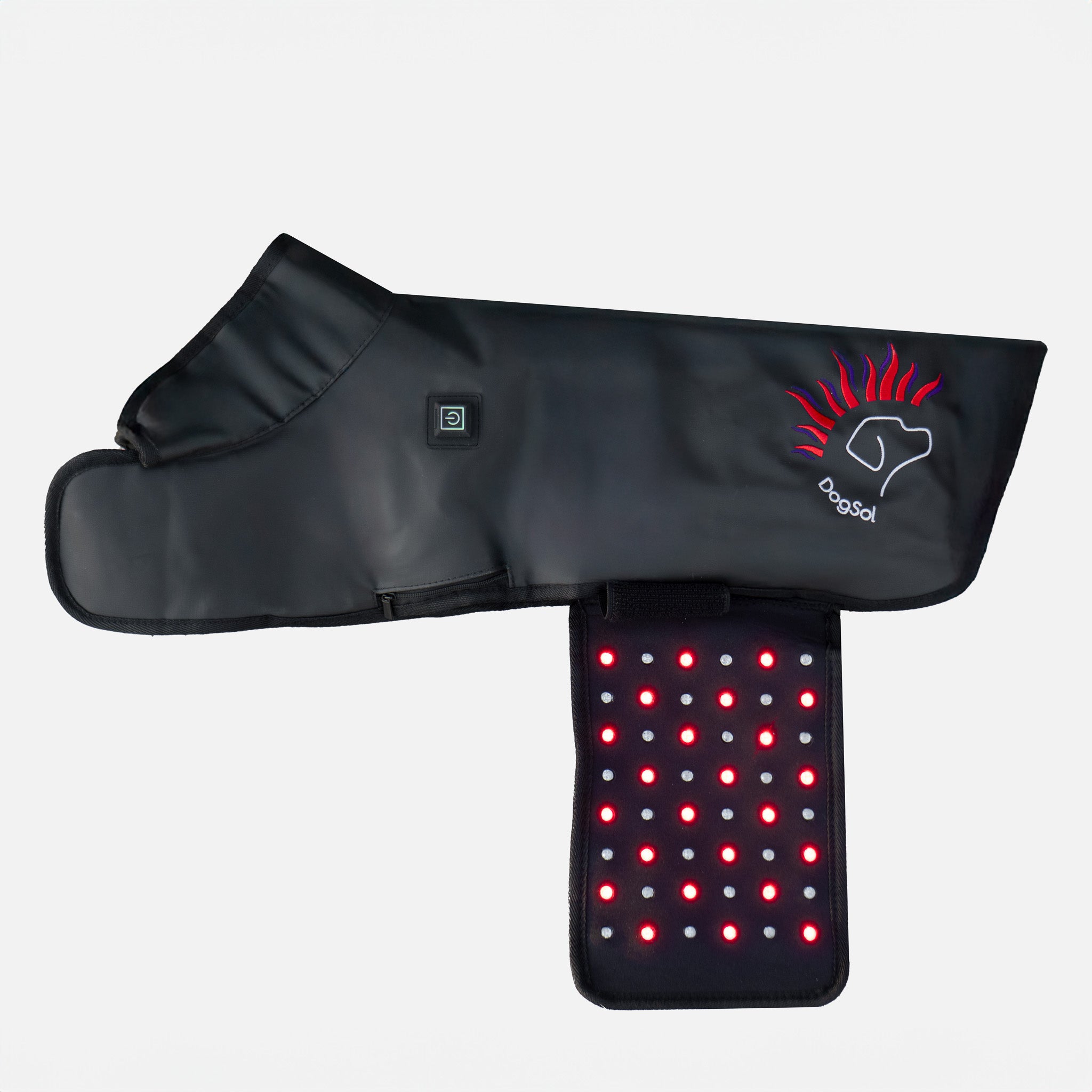
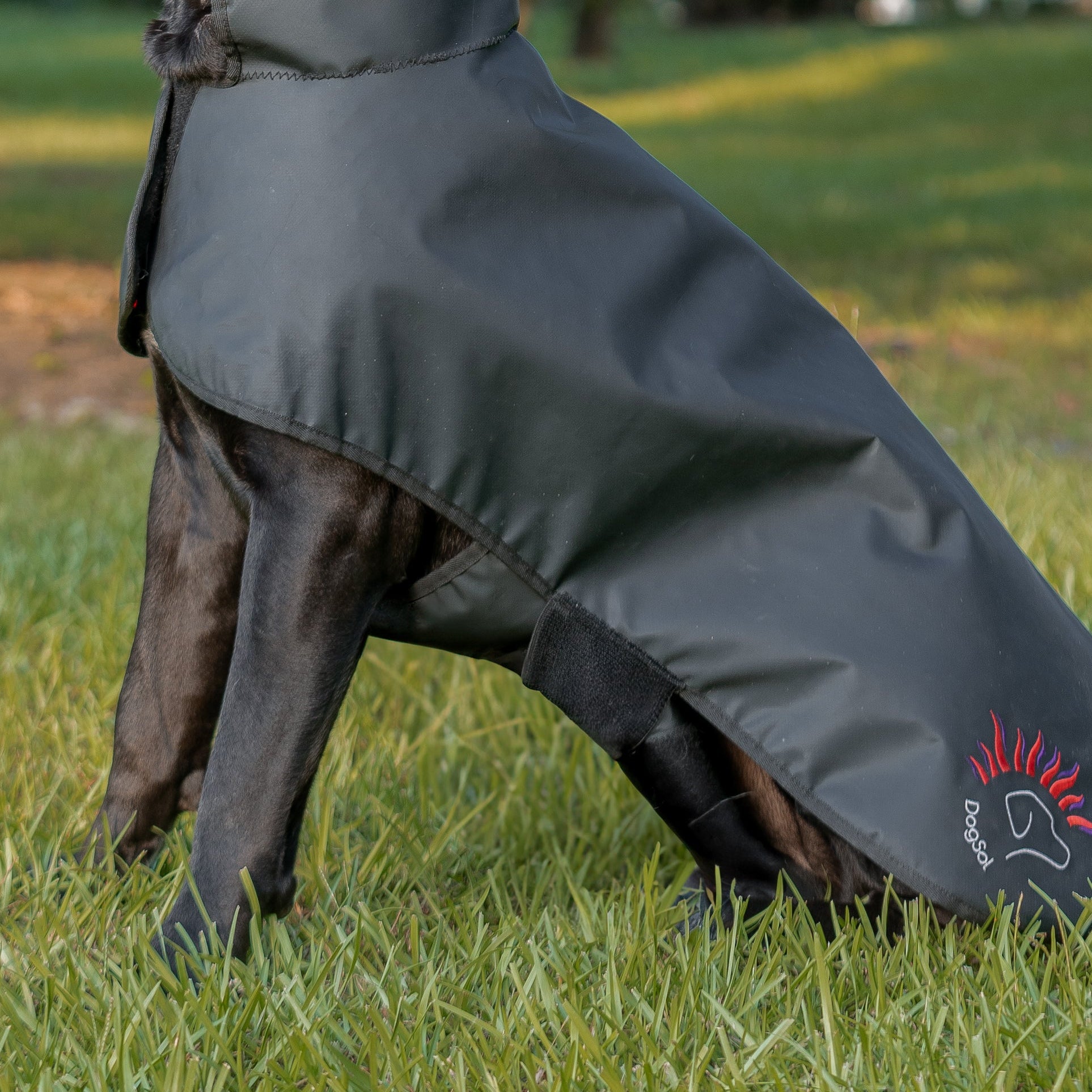
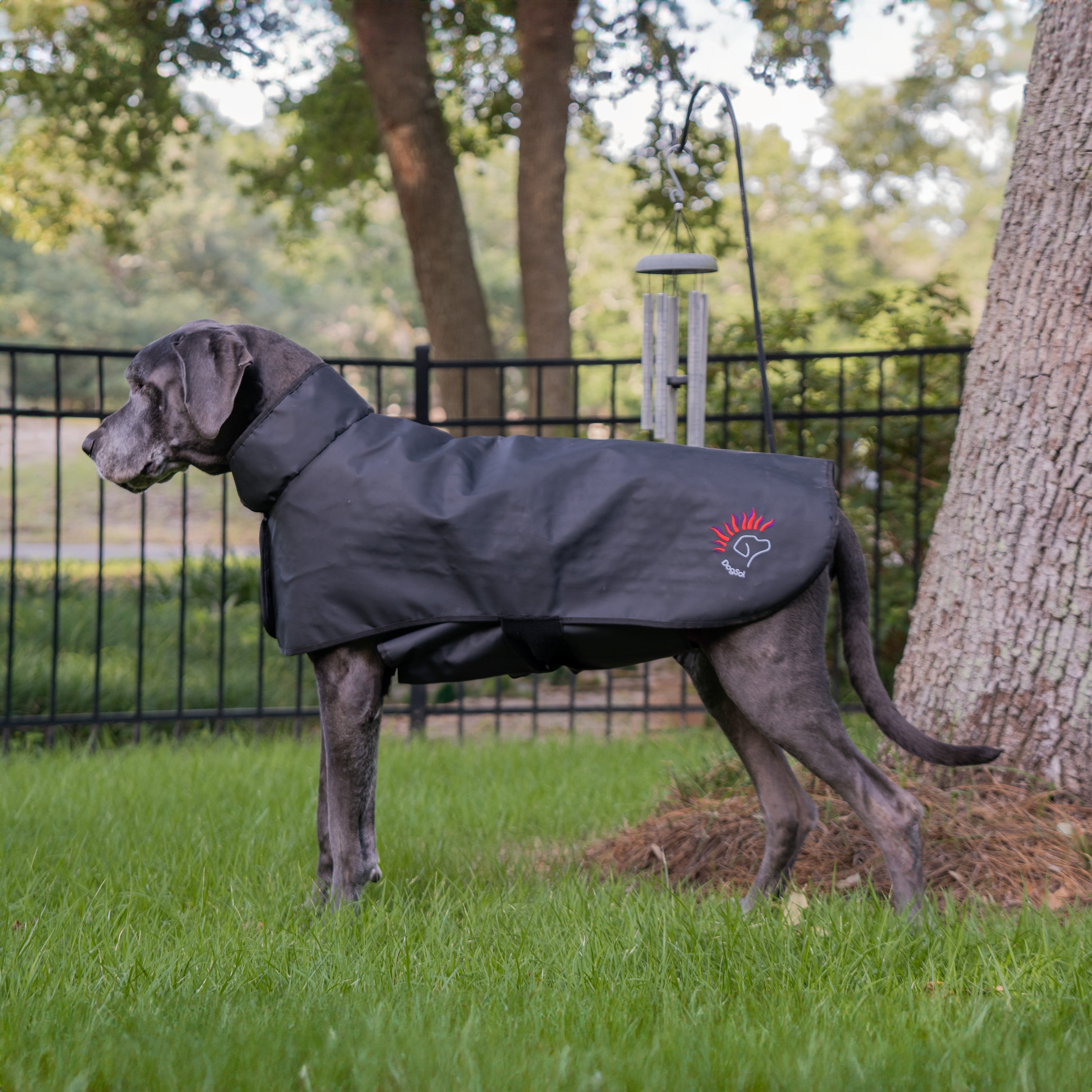
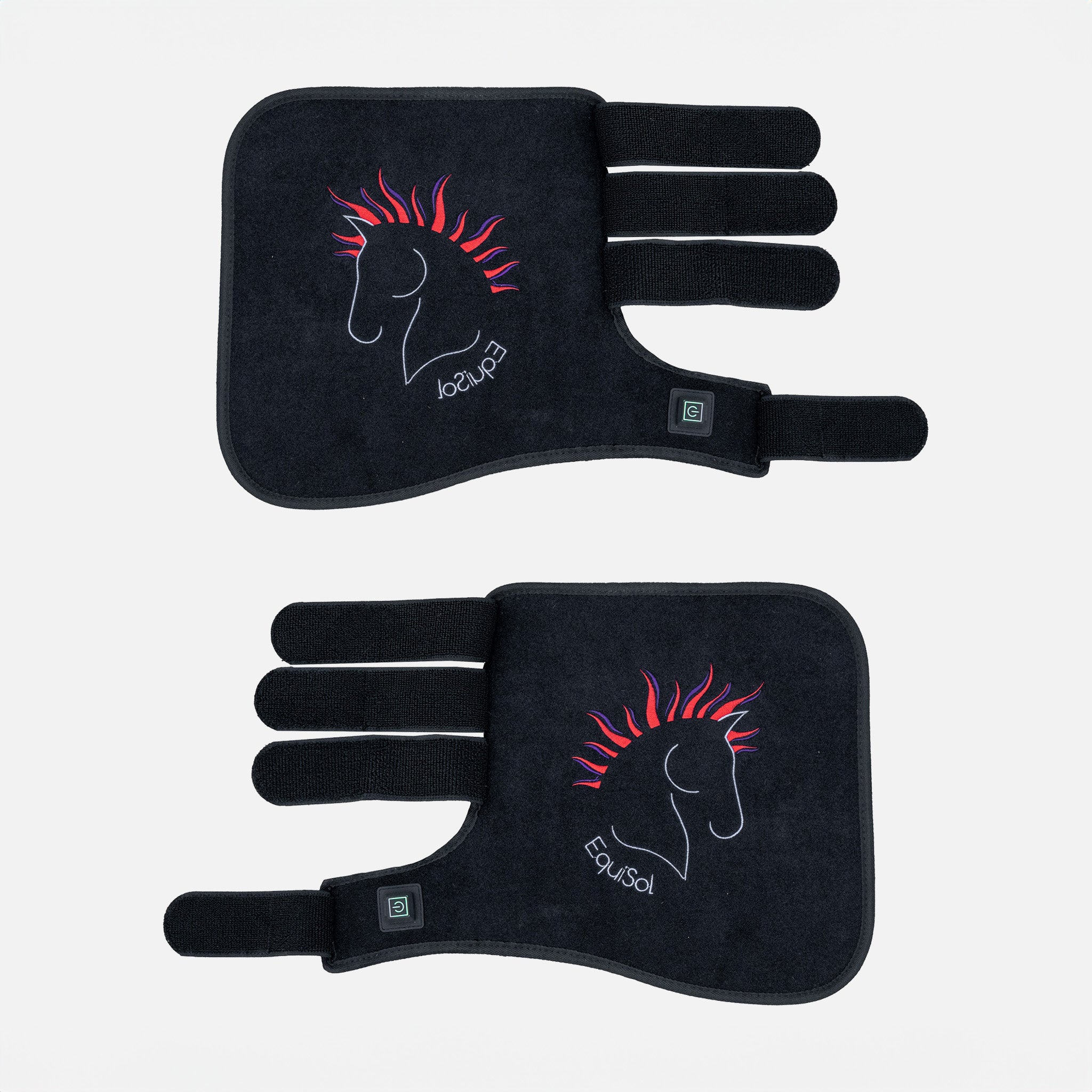
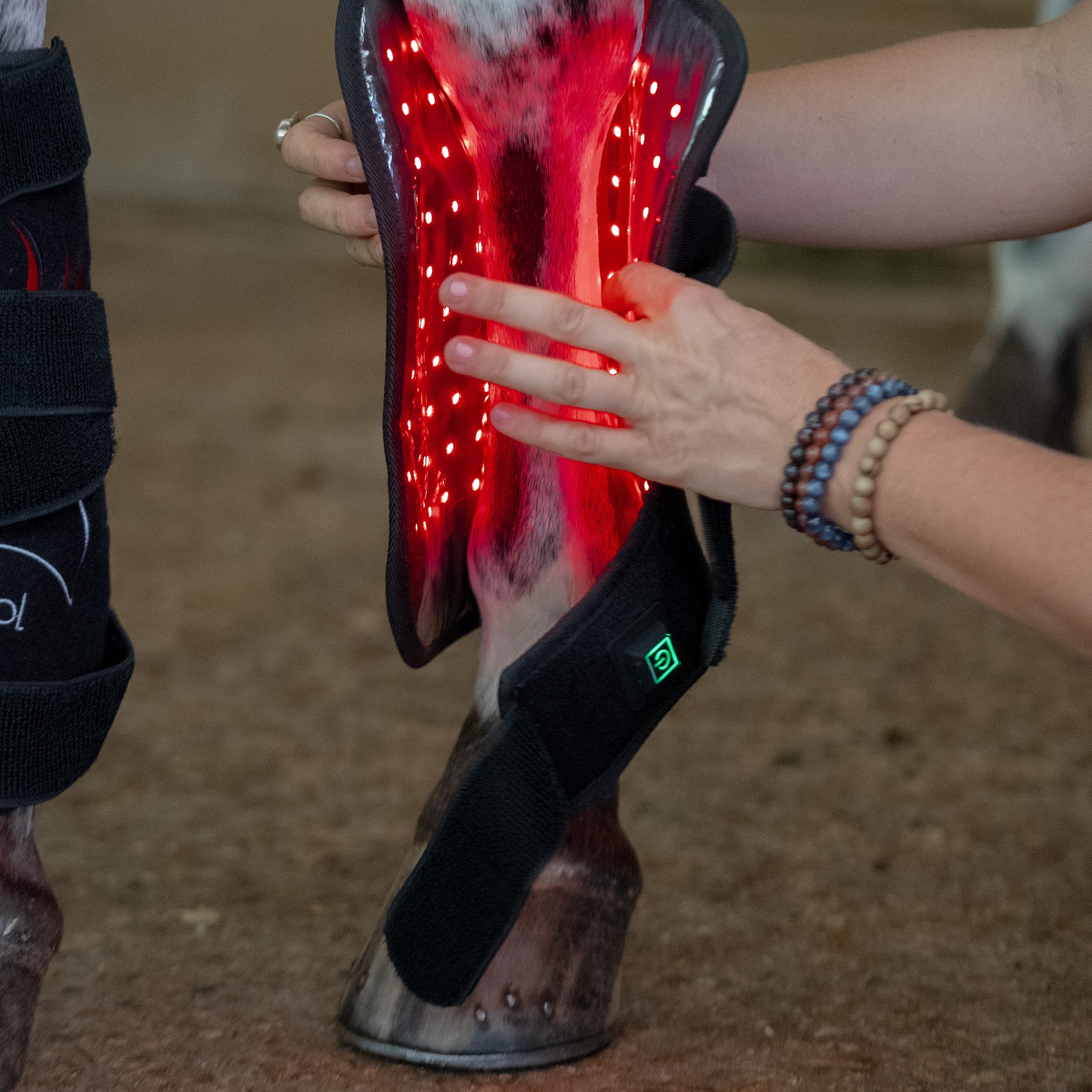
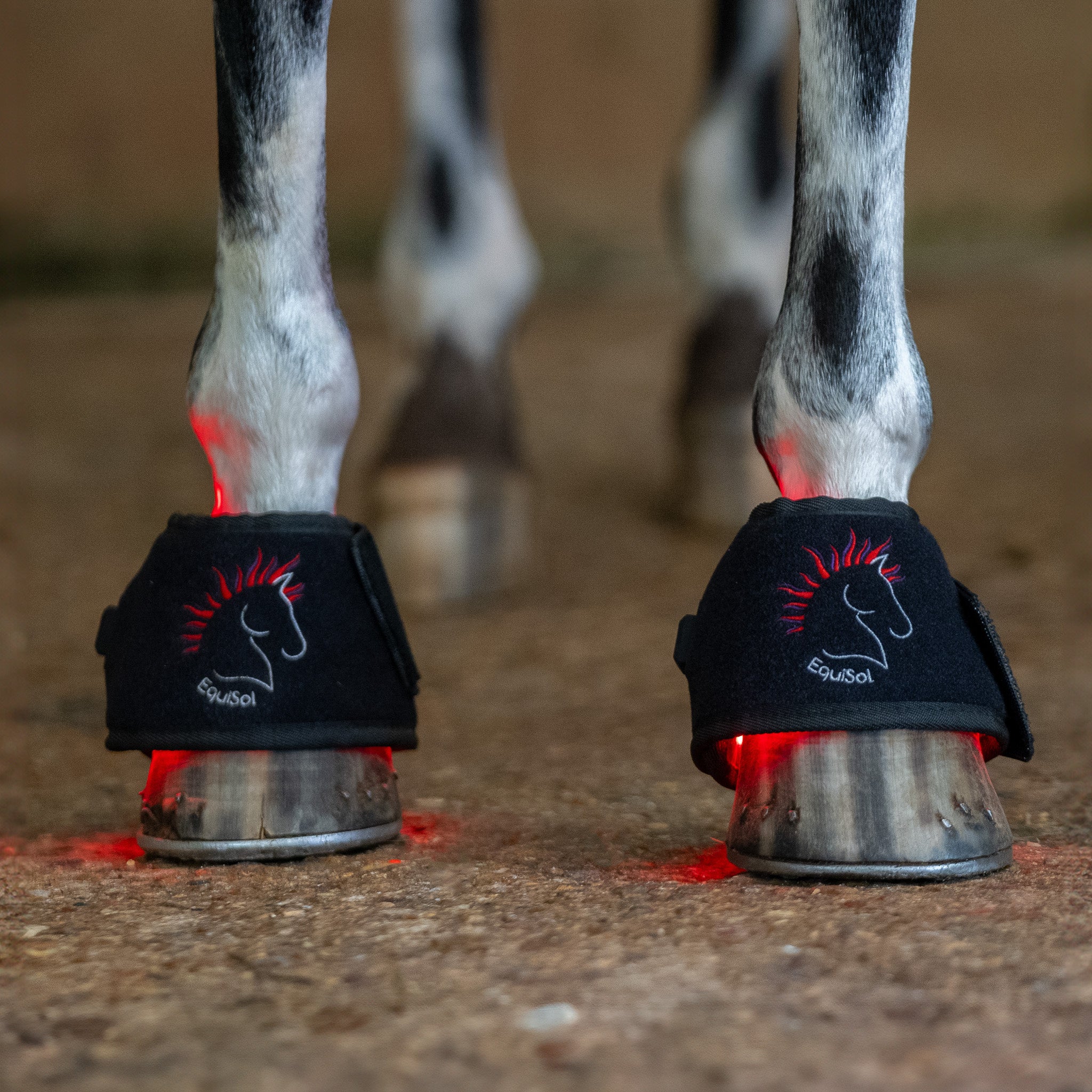
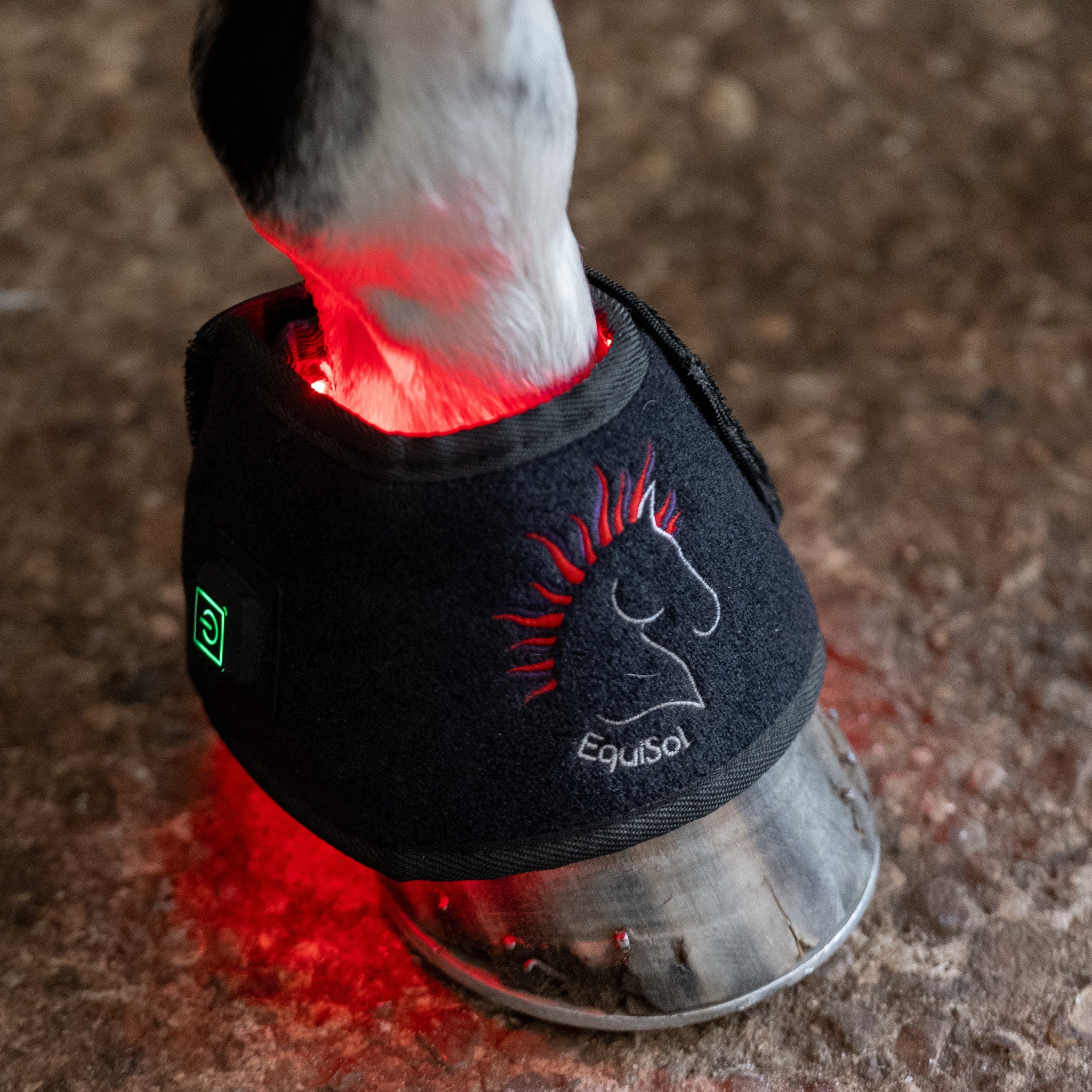
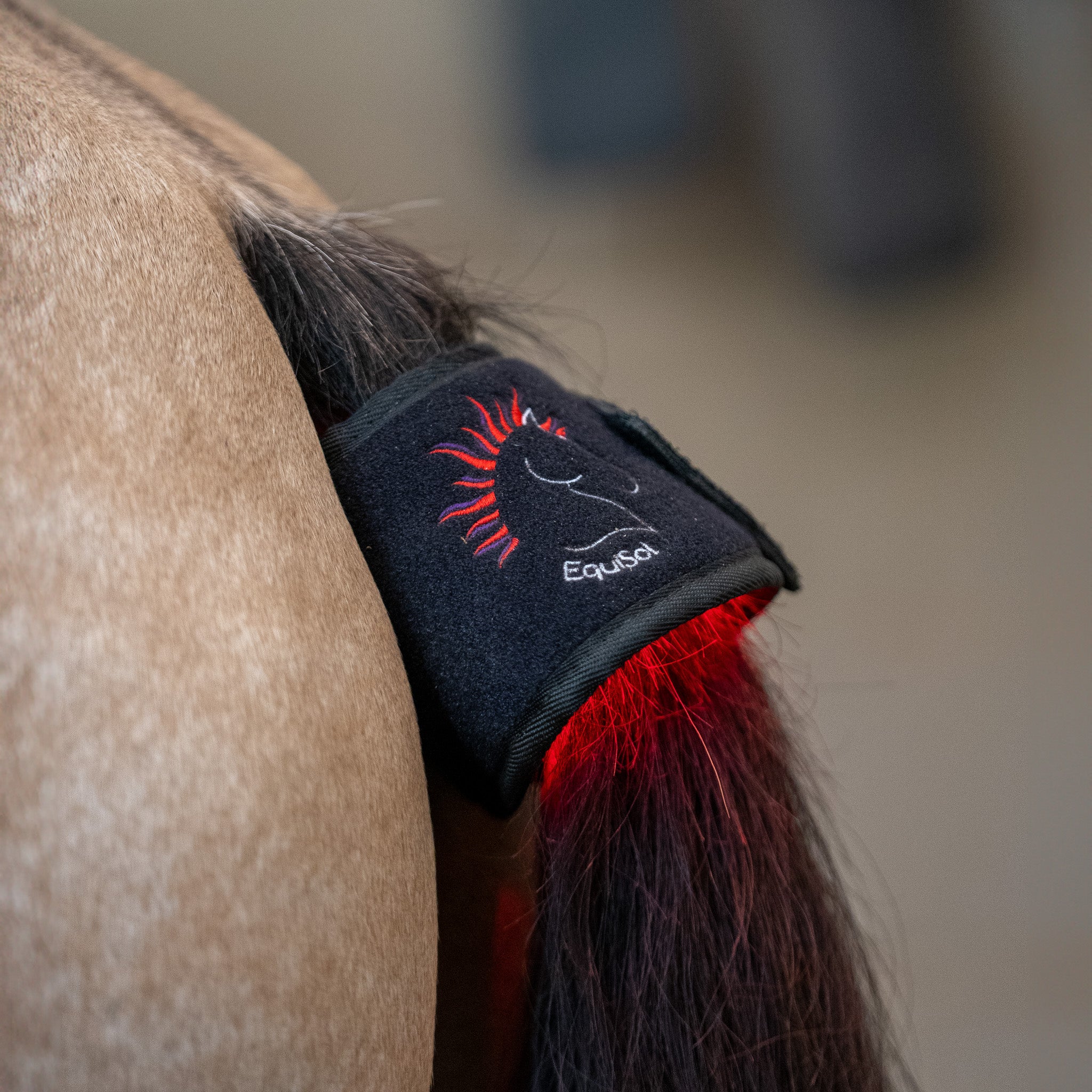
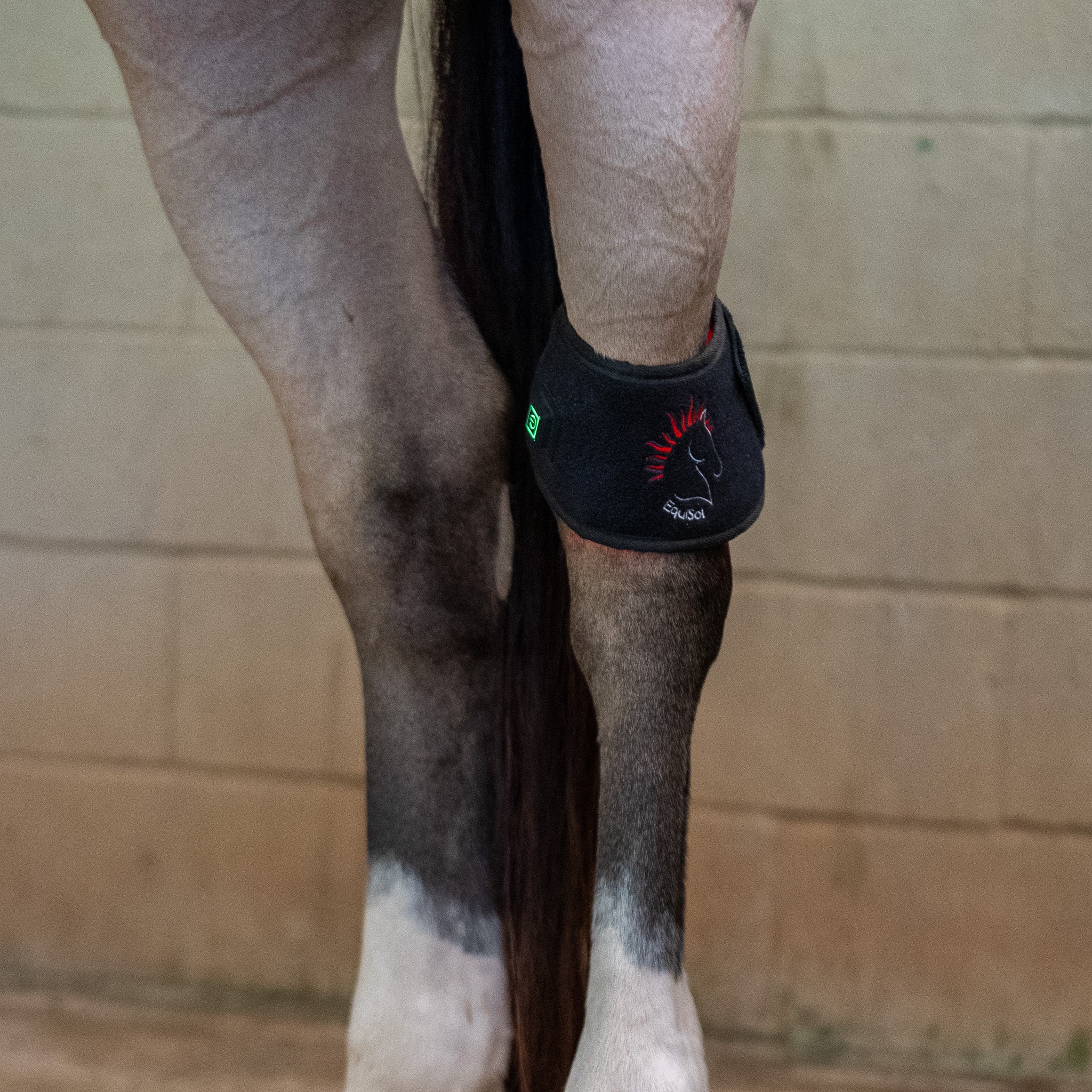
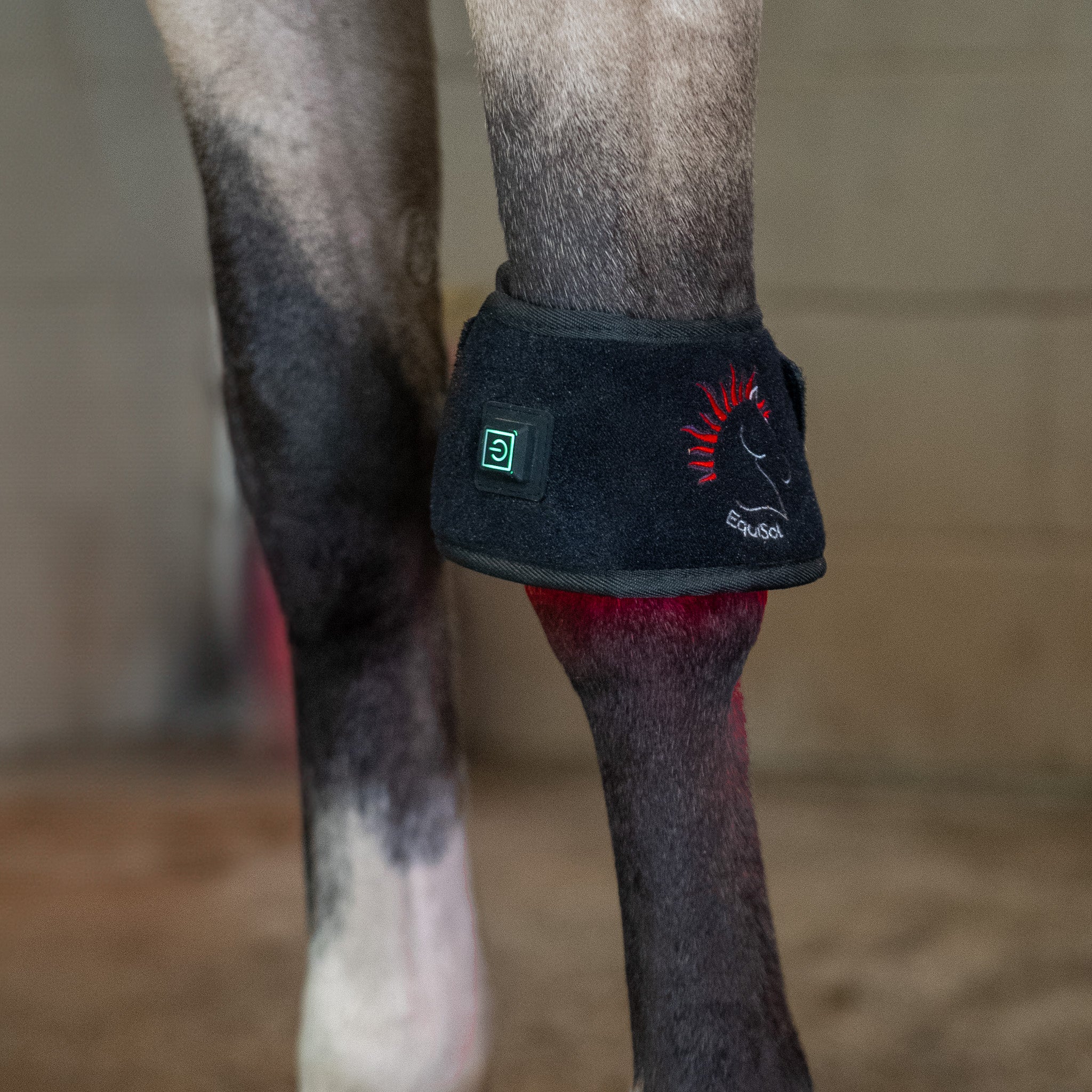
Red Light Therapy for Dogs and Horses
Animals often benefit from both red and NIR light because:
- Skin and coat issues respond to red light
- Joints, muscles, and deeper tissues respond better to NIR
Higher-quality systems combine both for full-spectrum tissue support.
Shop Red Light Therapy Devices
Red Light Therapy Buyer Checklist
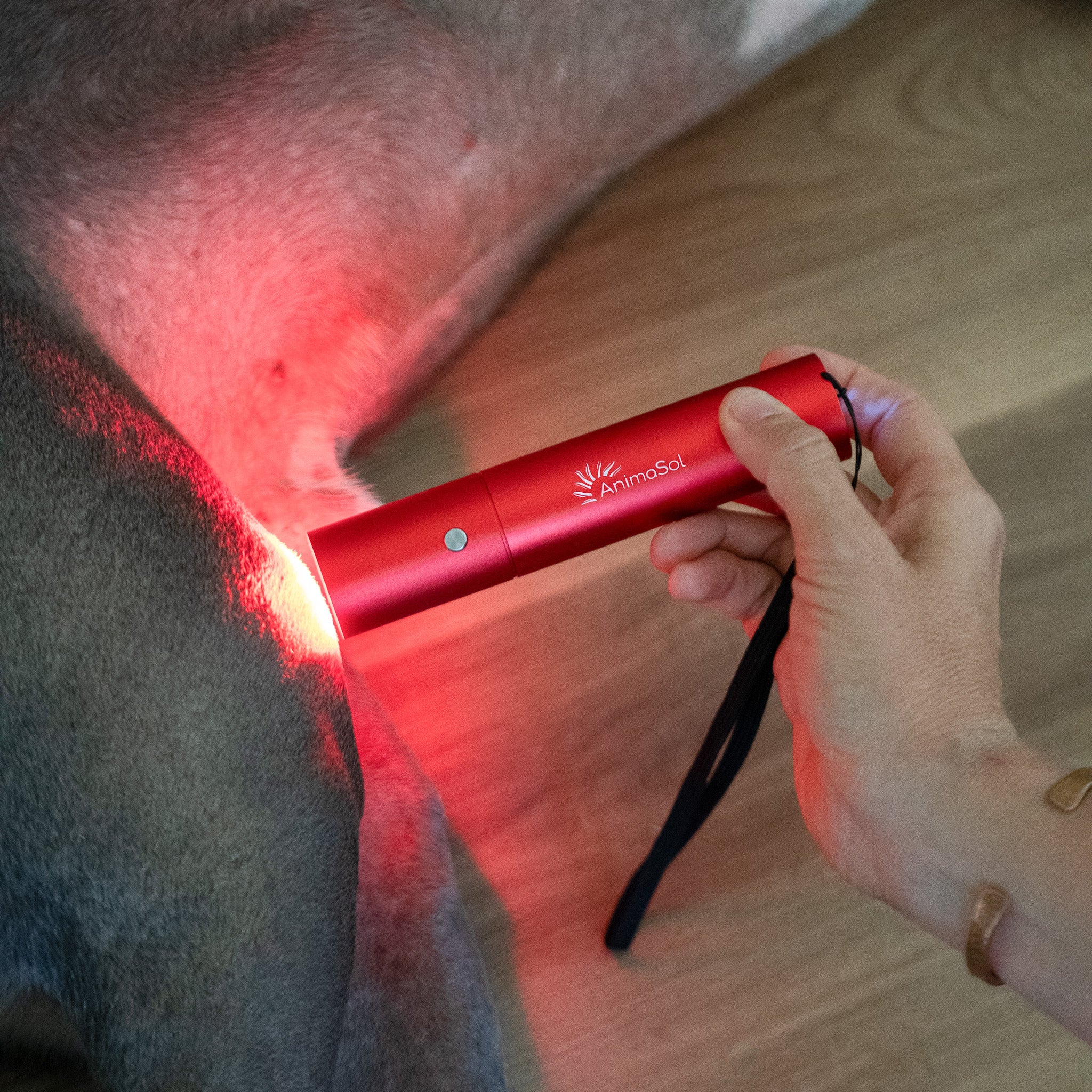
Whether you're shopping for red light therapy for yourself, your dog, horse, or another beloved pet; look for transparent specifications that help you determine whether a device is designed to deliver meaningful therapeutic light energy.
Before You Buy, Check for These Essentials:
-
Exact Wavelengths Are Listed
The manufacturer should clearly disclose the specific wavelengths used, not just generic terms like "red light" or "advanced spectrum." -
Includes Both Red and Near-Infrared Light
Quality devices typically combine visible red and near-infrared wavelengths to support both surface-level and deeper tissue applications. -
Irradiance (Power Output) Is Clearly Disclosed
Without adequate irradiance, even ideal wavelengths may not deliver an effective therapeutic dose. -
LED Density and Coverage Area Are Explained
A well-designed device should provide consistent light distribution across the treatment area rather than isolated hot spots or gaps in coverage. -
Treatment Distance and Dosage Guidelines Are Provided
Look for companies that explain how far the device should be positioned and how long treatments should last. -
Specifications Are Backed by Testing
Seek products with transparent performance data, third-party testing, or published specifications—not just marketing language. -
Designed for Real-World Use
The device should be practical, durable, and easy to use consistently for both humans and animals.
The AnimaSol Standard
The goal is simple: make red light therapy measurable, repeatable, and understandable.
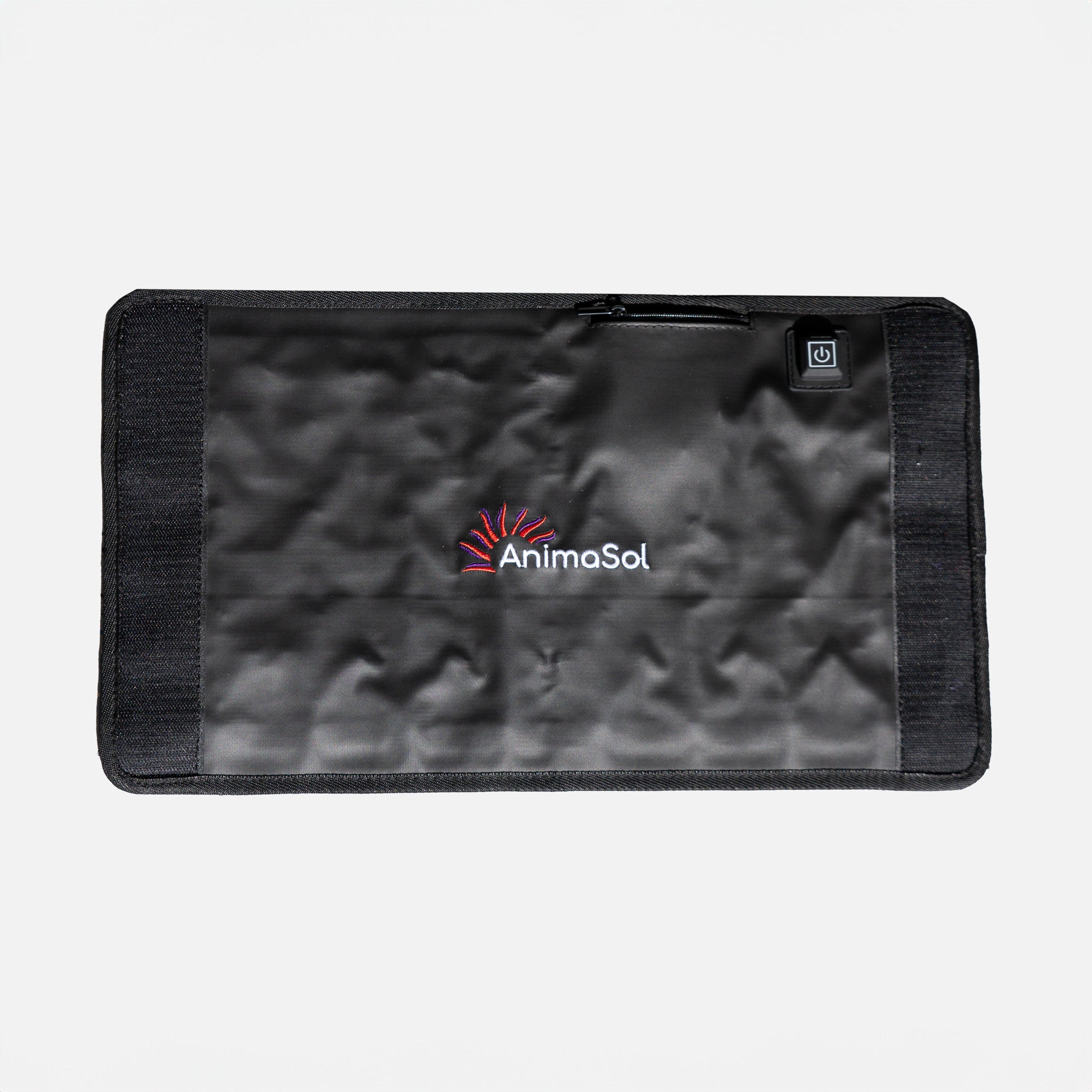
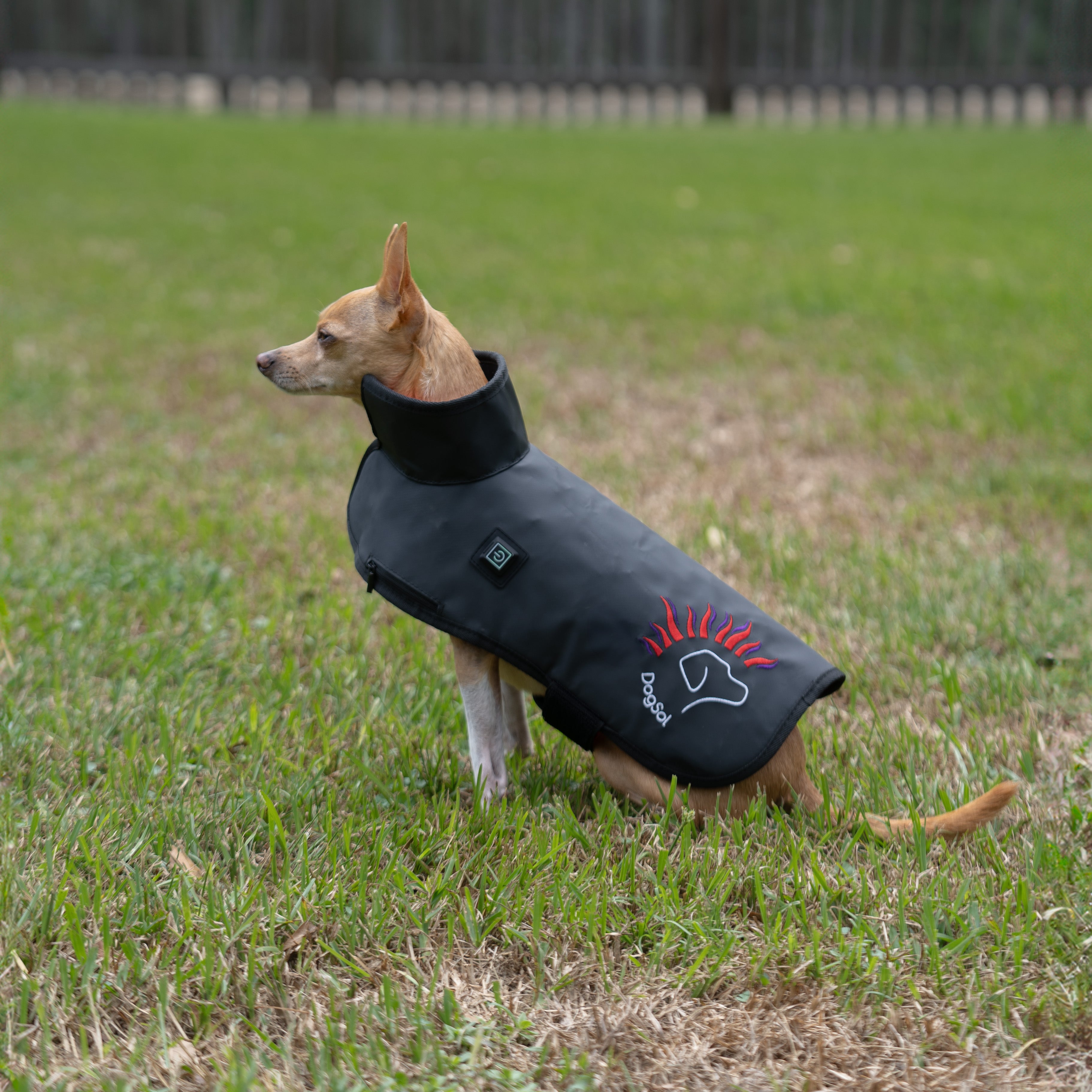
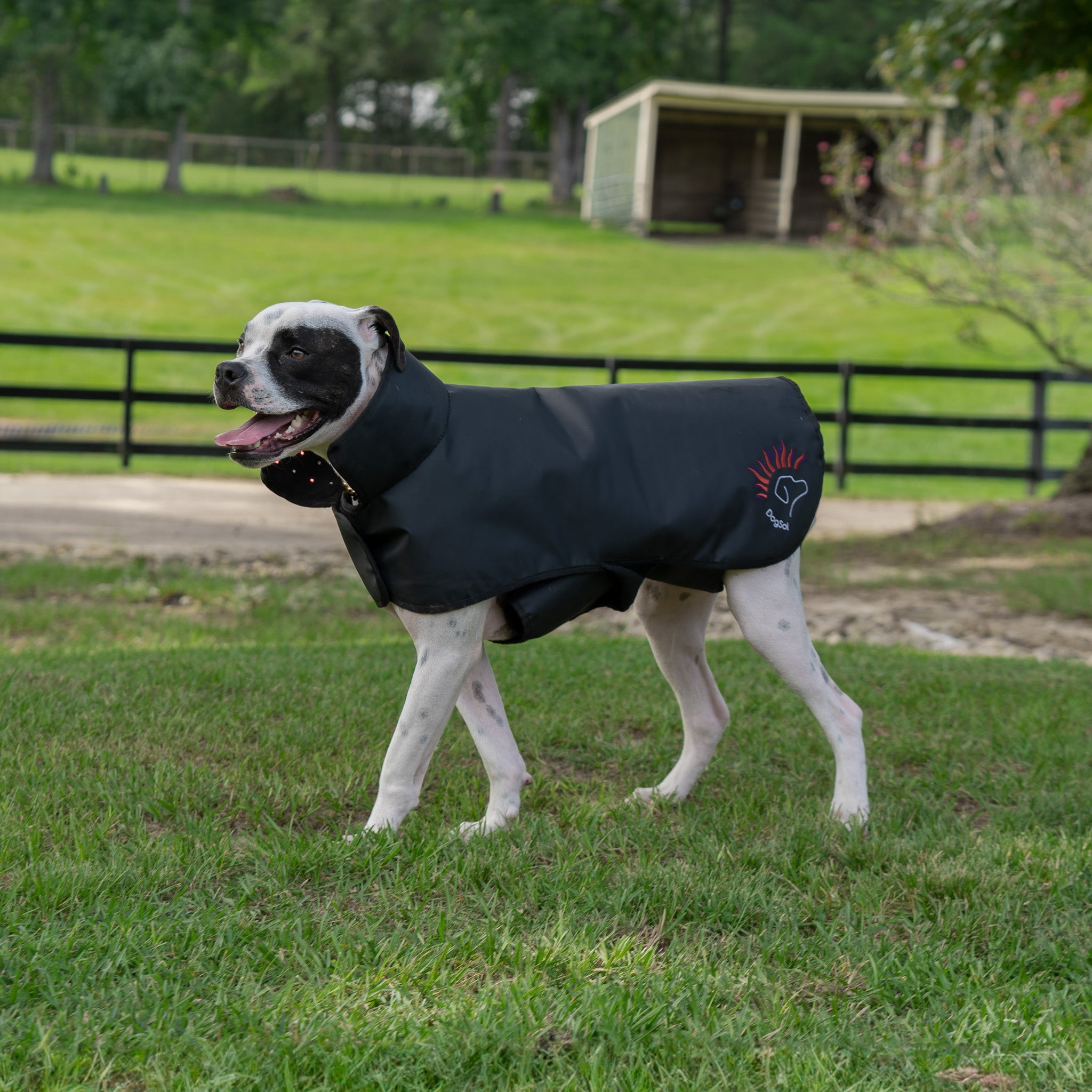
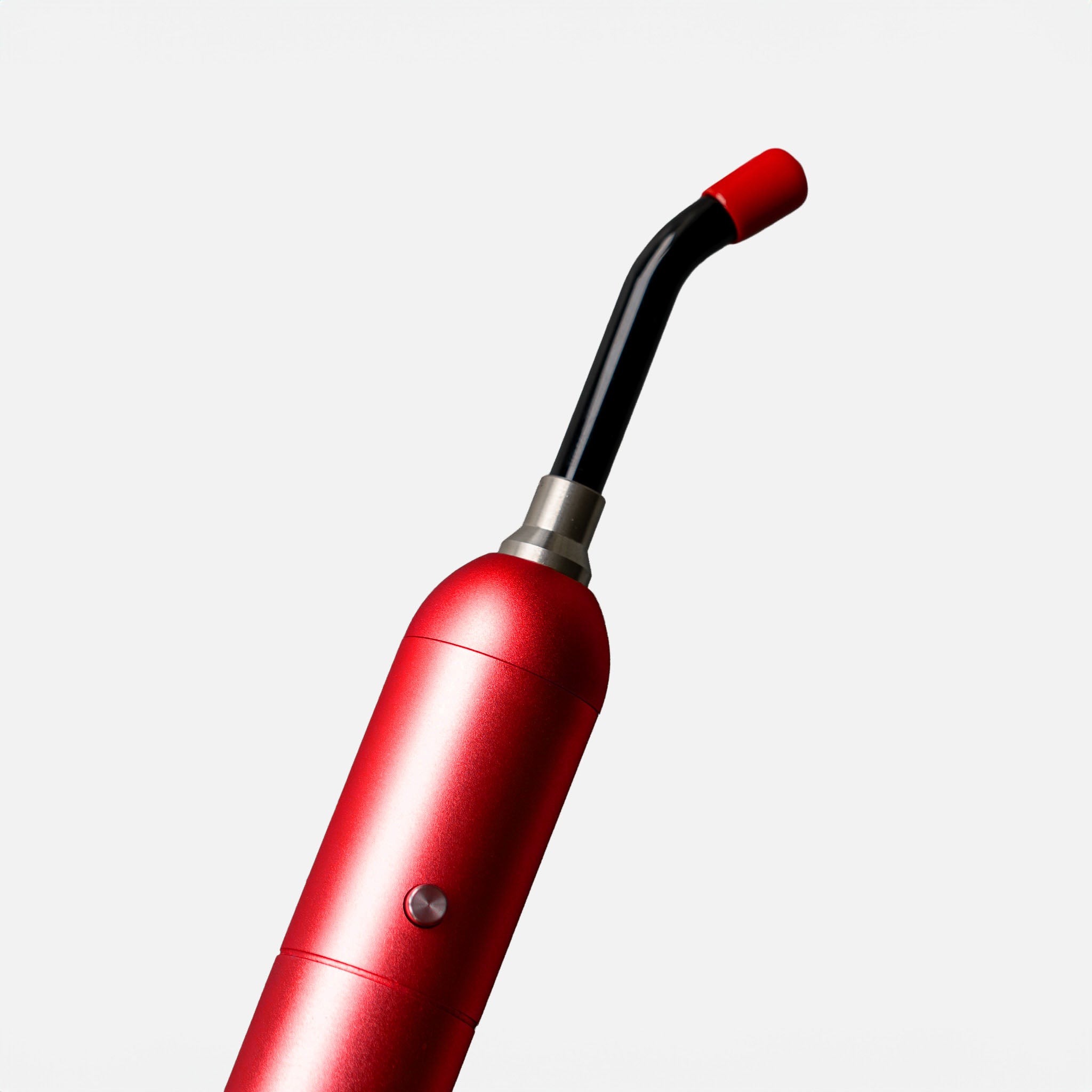
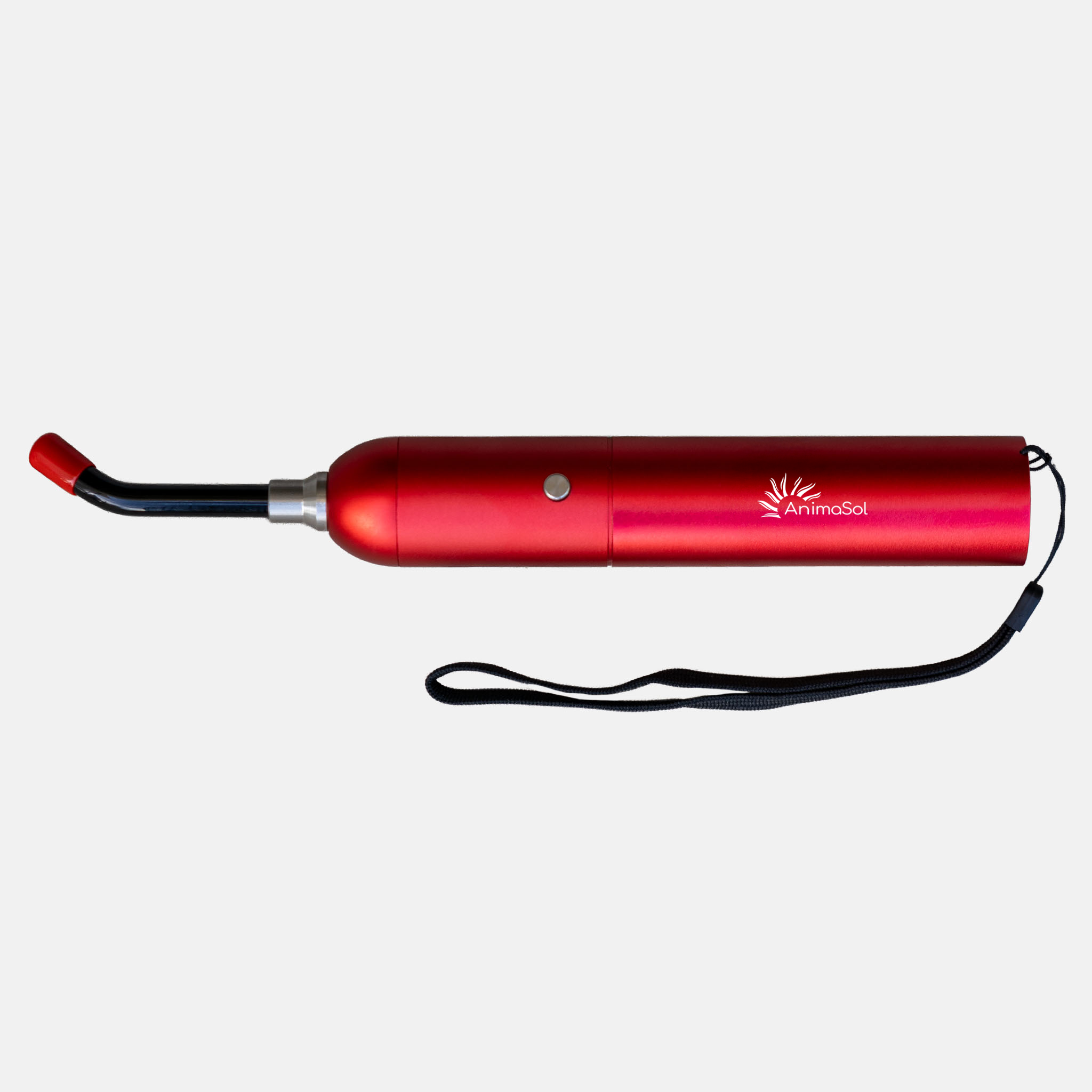
At AnimaSol, our devices are engineered using science-backed wavelengths, clinically supported dosing parameters, and evidence-based design principles. Every product is developed with guidance from veterinarians and informed by peer-reviewed scientific research to deliver safe, effective red light therapy for dogs, horses, companion animals, and the people who care for them.
Every device is built using:
- Verified wavelength selection
- Measured irradiance output
- Defined treatment protocols
- Veterinary-informed design principles
Key transparency standards include:
- Exact wavelength specifications (not vague “spectrum” claims)
- Measured power output (irradiance) under real conditions
- Coverage design and LED distribution for even light delivery
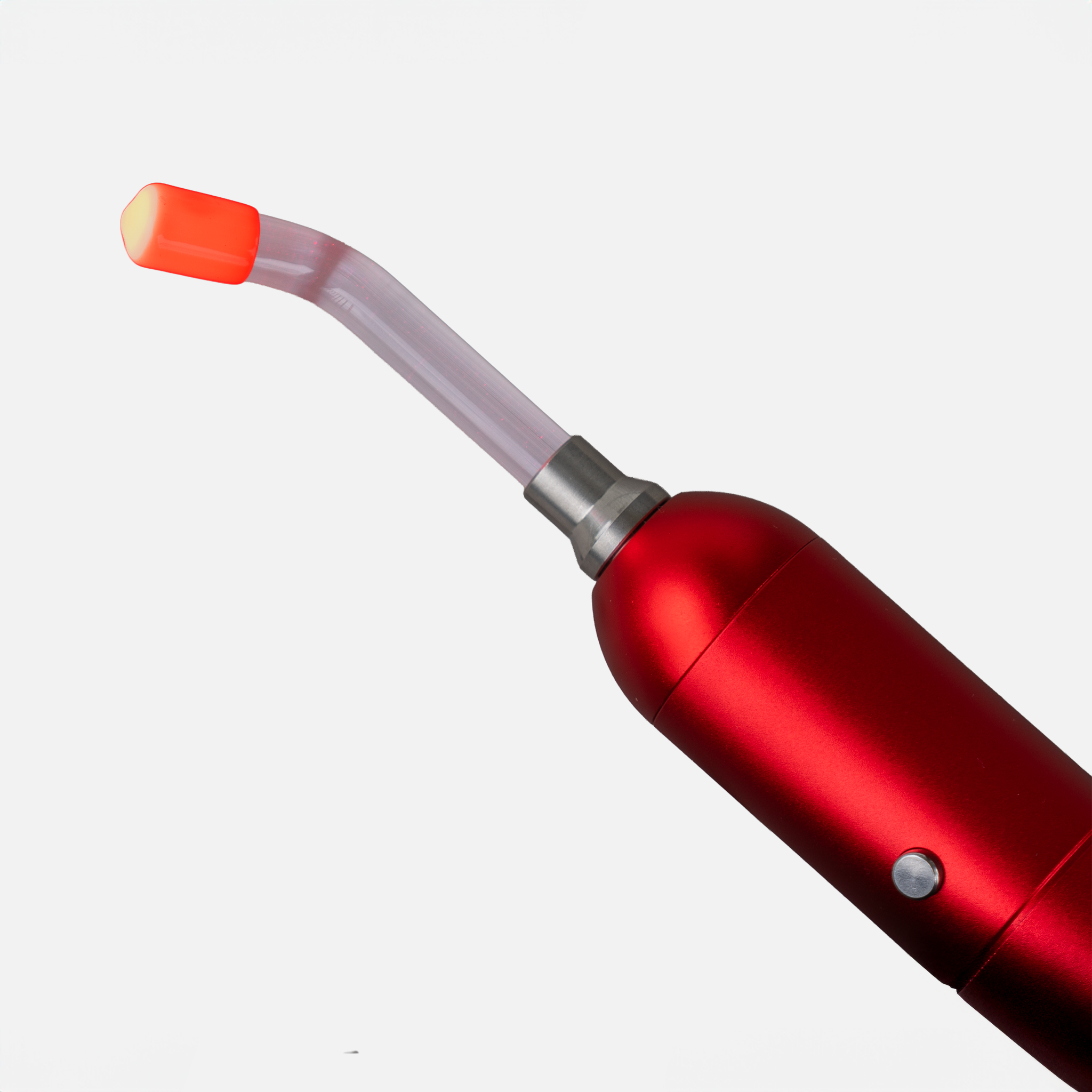
- Intended contact method and treatment distance guidance
- Engineered LED distribution for consistent coverage
Our red light therapy technology for dogs, horses, pets, and humans is developed with input from veterinary and animal wellness expertise, and grounded in established photobiomodulation research. This ensures our devices are designed around measurable performance—not marketing language.
Some Cited Supporting Studies on Photobiomodulation
Leal-Junior, Ernesto Cesar Pinto, et al. "Can Photobiomodulation Therapy Be an Alternative to Pharmacological Therapies in Decreasing the Progression of Skeletal Muscle Impairments of mdx Mice?" Journal Name Unknown, 2020. PubMed, https://pubmed.ncbi.nlm.nih.gov/32785240/.
Douris, Peter, P.T., Ed.D., Southard, Veronica, P.T., D.H.Sc., G.C.S., Ferrigi, Richard, P.T., D.P.T., Grauer, Joshua, P.T., D.P.T., Katz, Dina, P.T., D.P.T., Nascimento, Christine, P.T., D.P.T., and Podbielski, Peter, P.T., D.P.T. "Effect of Phototherapy on Delayed Onset Muscle Soreness." Photomedicine and Laser Surgery, vol. 24, no. 3, 2006, pp. 377–382. Mary Ann Liebert, Inc., https://static1.squarespace.com/static/56bd2da859827e9e49b346ec/t/56c9fb98f850827f40a38578/1456077720666/LED_DOMS.pdf.
"An Investigation Into the Short-Term Effects of Photobiomodulation on the Mechanical Nociceptive Thresholds of M. Longissimus and M. Gluteus Medius, in Relation to Muscle Firing Rate in Horses at Three Different Gaits." Journal of Equine Veterinary Science, 2020. ScienceDirect, https://www.sciencedirect.com/science/article/pii/S0737080620304548?fbclid=IwAR2i_1gbxQ-P3hahLGwuLwOmVIzSa36lEGsMmtU5lp9soNpSUdsblNvcr1k.
FAQ
What makes a red light therapy device effective?
A device is effective when it delivers correct wavelengths (630–850nm), sufficient irradiance (power output), and clear dosage instructions based on time and distance.
What wavelength is best for red light therapy?
Red light (630–660nm) is commonly used for skin and surface tissue, while near infrared (810–850nm) is used for deeper muscle and joint support.
How important is irradiance in red light therapy?
Irradiance is critical. Without enough power density (mW/cm²), light will not reach tissue at a therapeutic level, even if wavelengths are correct.
Do more LEDs mean a better device?
No. LED count alone does not determine effectiveness. Output power, spacing, irradiance, and design matter more than quantity.
How do I know if a red light therapy device is legit?
Look for transparent specs: exact wavelengths, measured irradiance, and dosage guidelines. If these are missing, the device cannot be properly evaluated.
Is near infrared light necessary?
Yes, if you want deeper tissue support. Red light works more on surface tissues, while near infrared penetrates deeper into muscles and joints.